




Understanding the Benefits of a Clutter-Free Home
Living in a clutter-free environment brings numerous benefits that go beyond just having a tidy appearance. Studies show that a messy home can increase stress levels and negatively impact mental health. A well-organized space fosters calmness, productivity, and even better sleep. According to a Yale University study, clutter may limit your brain’s ability to focus, leading to increased stress and decreased performance.
Beyond mental health, a clutter-free home is easier to clean, reducing physical strain and saving time. For example, when your living room surfaces are clear, you can dust or vacuum more efficiently, eliminating the need to move piles of items around. A tidy home also creates a welcoming atmosphere for guests and even enhances safety by reducing tripping hazards.
Author’s advice:
Investing just 10-15 minutes daily in tidying up prevents clutter from accumulating and keeps stress at bay. Consistency beats occasional deep cleans.
Assessing Your Current Clutter Situation
Before embarking on your journey to a clutter-free home, it’s important to evaluate your current space honestly. Walk through each room and note areas that accumulate the most clutter, such as kitchen counters, entryways, or bedrooms. This assessment helps you identify patterns and hotspots needing attention.
Create a simple checklist or map of your home and rate each area’s clutter on a scale from 1 (very organized) to 5 (overwhelmed by clutter). This structured approach adds clarity and makes tackling one space at a time manageable.
For example, a family with children might find toys cluttering the living room, while a remote worker might have paper piles in the home office. Understanding your unique clutter triggers will guide your decluttering strategies.
Effective Decluttering Techniques with Minimal Stress
The Four-Box Method
One of the most popular decluttering strategies is the Four-Box Method. Label four boxes as “Keep,” “Donate,” “Trash,” and “Relocate.” As you sort through items in any room, place each object into one of these boxes. This simple system streamlines decision-making and prevents second-guessing.
For instance, when sorting your wardrobe, clothing that no longer fits or hasn’t been worn in over a year goes into the Donate box, while broken items get tossed. Items you wish to keep stay in the Keep box, and anything found out of place but needed elsewhere moves to Relocate.
Set Timers and Use the Pomodoro Technique
Decluttering for hours on end can be overwhelming and counterproductive. Instead, use a timer-based approach such as the Pomodoro Technique—work for 25 minutes, then take a 5-minute break. This method maintains focus without burnout. Even 25 minutes per day consistently will yield impressive results over weeks.
One-In, One-Out Rule
To maintain clutter-free spaces, adopt the One-In, One-Out rule. Whenever you bring in a new item, remove an existing one. This helps prevent new clutter from creeping back into your home. For example, buy a new kitchen gadget? Commit to donating or discarding an old, unused one.
Organizational Tips to Keep Clutter at Bay
Utilize Vertical Space
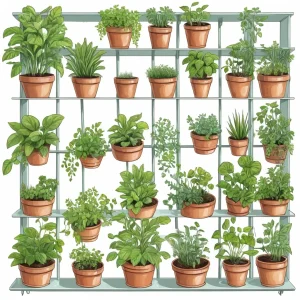
Vertical storage solutions like shelves and hooks maximize limited floor space. This keeps items off countertops and floors, reducing visual clutter. For example, install wall-mounted racks for keys, mail, or kitchen tools near entry points.
Stackable bins and clear containers also help in closets and pantries, making it easy to identify contents quickly without rummaging.
Create ‘Drop Zones’
Designate specific spots in your home for everyday items such as wallets, phones, and bags. Having a dedicated location prevents items from being left around randomly. A small tray near the door or a basket on a console table serves as a perfect catch-all.
Label Everything
Labels provide clarity and consistency, especially in shared spaces. Label shelves, bins, and drawers so everyone in the household knows where each item belongs. This simple step minimizes confusion and keeps clutter from creeping back.
Managing Paperwork and Digital Clutter
Paper clutter is one of the most common household nuisances, but with simple systems, it can be managed. Sort mail immediately upon arrival, tossing junk mail and filing important documents in a designated folder or filing cabinet. Use digital tools like scanning apps to convert important documents to digital formats, reducing physical piles.
For digital clutter such as files and emails, schedule regular “digital declutter” sessions to delete unnecessary files and organize documents into clearly labeled folders. According to a survey by Dokkio, people spend an average of 2.5 hours per week searching for misplaced files, a problem solved with better digital organization.
Maintaining a Clutter-Free Home Easily
Consistency is key to maintaining a clutter-free home. Implement daily habits such as making your bed every morning, putting items back in their place immediately, and setting aside a brief period weekly for tidying up.
Involve all household members by assigning age-appropriate chores and fostering ownership of their personal spaces. This teamwork reduces the burden and keeps everyone accountable.
Remember, perfection isn’t the goal. Aim for progress and prioritize peace of mind over overly rigid systems. Even small efforts accumulate into big changes over time.
Conclusion
Creating a clutter-free home with minimal effort and stress is absolutely achievable with the right mindset, tools, and habits. By understanding the impact of clutter, assessing your specific challenges, and applying practical techniques like the Four-Box Method and the One-In, One-Out rule, you can transform your living space into a sanctuary. Organizational tips such as utilizing vertical space and creating drop zones streamline daily life while managing paperwork and digital clutter prevent hidden messes.
Finally, consistency in small steps, involving your household, and setting realistic expectations ensure long-term success. Embrace the journey and celebrate each win as you craft a loving, peaceful, and clutter-free home that truly serves you.
Author’s final thought:
A clutter-free home is not just about aesthetics; it’s about creating an environment where your mind can relax and your life can thrive. Start small, stay consistent, and enjoy the freedom that comes with simplicity.
- Q: How often should I declutter to maintain a clutter-free home?
A: It’s best to declutter in small, consistent increments daily or weekly. Even 10-15 minutes a day can prevent clutter buildup and reduce stress. - Q: What if I’m emotionally attached to a lot of my belongings?
A: Emotional attachment can make decluttering difficult. Try focusing on the item’s purpose and whether it adds value to your life now. Consider taking photos of sentimental items you plan to donate or discard as a memory keepsake. - Q: How can I get my family involved in keeping the home clutter-free?
A: Assign simple, age-appropriate tasks to family members and encourage regular routines. Make organizing a team activity and celebrate progress together to build accountability and motivation. - Q: Are there any tools or products you recommend for organizing?
A: Clear storage bins, labeled baskets, wall-mounted shelves, and drawer dividers are highly effective. Also, apps that help scan and organize digital documents can reduce paper clutter significantly. - Q: How do I handle clutter in small spaces with limited storage?
A: Use vertical space, multi-functional furniture with hidden storage, and be very selective about what you keep. Regularly declutter and apply the One-In, One-Out rule to prevent overflow.