




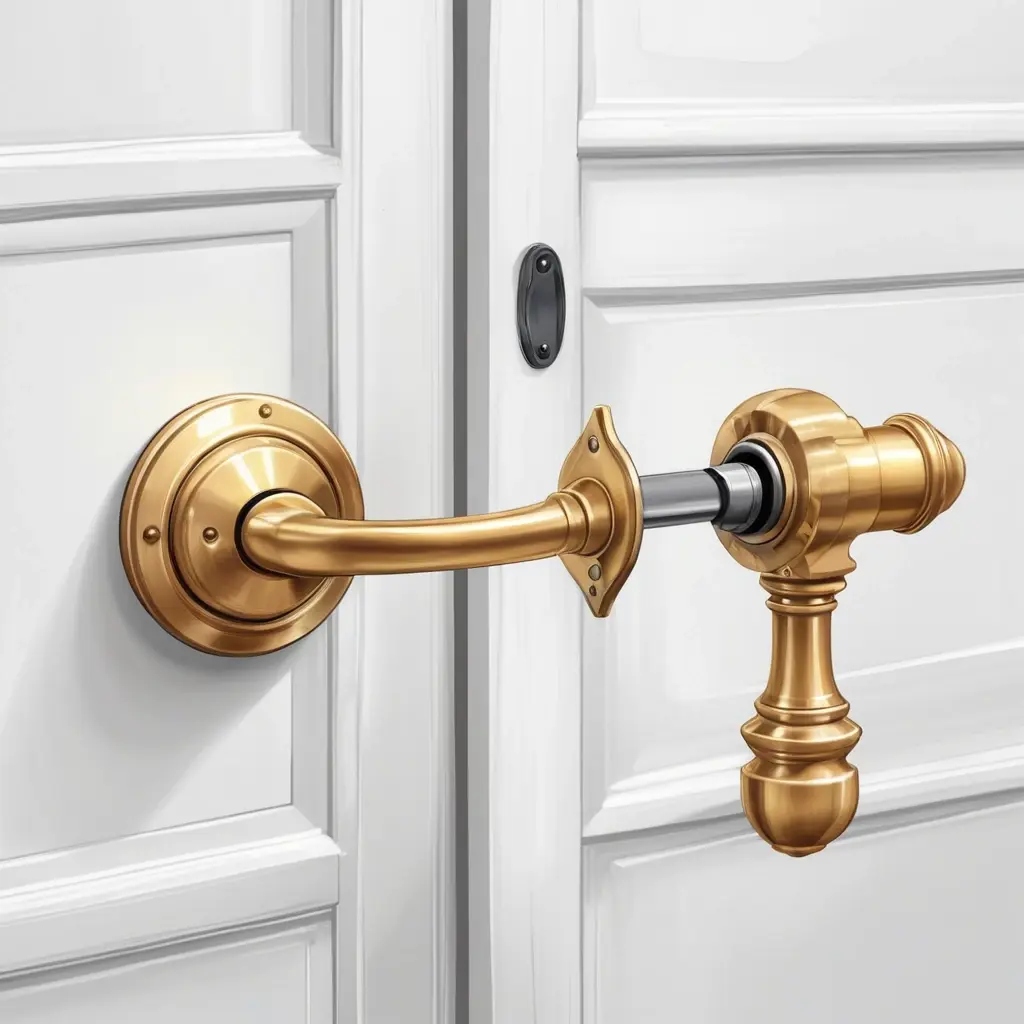
How to Repair a Loose Door Handle in Less Than 10 Minutes Using Basic Supplies
Over time, door handles can become loose due to frequent use or minor wear and tear. A wobbly or rattling handle not only looks unsightly but can also compromise security and ease of access. Fortunately, fixing a loose door handle is a straightforward task that requires only basic supplies and a few minutes of your time. This guide walks you through the process step-by-step, ensuring you can restore your door handle’s stability quickly and cost-effectively.
Understanding Why Door Handles Loosen
Most door handles loosen because the screws holding them in place become loose or stripped. Other common causes include worn-out latch mechanisms or damaged mounting plates. Regular use, humidity, and aging can accelerate these issues, making it essential to periodically check and tighten your handles to prevent larger problems down the line.
Tools and Supplies Needed
- Phillips screwdriver or flat-head screwdriver (depending on screw type)
- Replacement screws (if current ones are stripped)
- Wooden or rubber shims (optional, for stabilizing loose handles)
- Lubricant spray (optional, for squeaky handles)
- Cleaning cloth
Step-by-Step Guide to Fix Your Loose Door Handle
1. Gather Your Supplies and Prepare the Area
Begin by collecting all necessary tools and supplies. Clear the area around the door to give yourself room to work. If your handle has a decorative cover or plate, gently remove it to access the screws beneath.
2. Tighten the Screws
Using the appropriate screwdriver, tighten the screws holding the handle in place. Often, these are located on the side of the handle or the faceplate. Be careful not to overtighten, as this can strip the screw holes or damage the handle.
3. Check for Stripped Screws and Replace if Necessary
If screws are stripped or won’t tighten properly, remove them and replace with new ones of the same size and type. Applying a small amount of lubricant to the new screws can help with future tightenings.
4. Stabilize Loose Handles
If tightening the screws doesn’t completely resolve the wobbling, consider inserting small shims or rubber pads between the handle and the door. This can provide additional support and stability. Carefully secure everything, ensuring all parts fit snugly.
5. Lubricate Moving Parts (Optional)
If your handle squeaks or feels stiff, apply a light lubricant spray to the moving parts. Wipe away excess to keep the handle smooth and quiet.
Additional Tips for Maintaining Your Door Handles
- Periodically check screw tightness to prevent loosening over time
- Use quality screws and handles to ensure durability
- Keep handles clean from dust and grime to maintain smooth operation
Author’s Advice and Opinion
In my experience, keeping a small tray of spare screws and a screwdriver handy is an easy way to address minor issues quickly. Don’t wait until your handle becomes completely loose — regular maintenance can save you from bigger repairs later. Remember, most handle problems are simple to fix with just a few basic supplies and a couple of minutes.
Conclusion
Fixing a loose door handle doesn’t need to be a complicated or expensive endeavor. With simple tools like a screwdriver and some replacement screws, you can restore stability and security to your door in less than 10 minutes. Regular inspections and timely maintenance will prolong the lifespan of your hardware and keep your doors functioning smoothly for years to come.
Q1: Can I fix a loose door handle without removing it?
A1: Sometimes, tightening existing screws from outside the handle is enough. However, if the handle remains loose, you may need to remove it entirely to inspect and replace internal components.
Q2: What if the screw holes are stripped?
A2: If screw holes are stripped, insert a wood or plastic repair kit or use slightly larger screws to tighten the handle securely. In severe cases, replacing the handle or mounting plate might be necessary.
Q3: How often should I check my door handles for looseness?
A3: It’s advisable to inspect door handles every 6-12 months, especially in high-traffic doors, to prevent loosening and maintain proper function.
Q4: Is it worth calling a professional for this repair?
A4: For most basic loose handle repairs, DIY methods are sufficient and cost-effective. However, if your handle or lock mechanism is damaged beyond simple tightening, consulting a professional is recommended.