
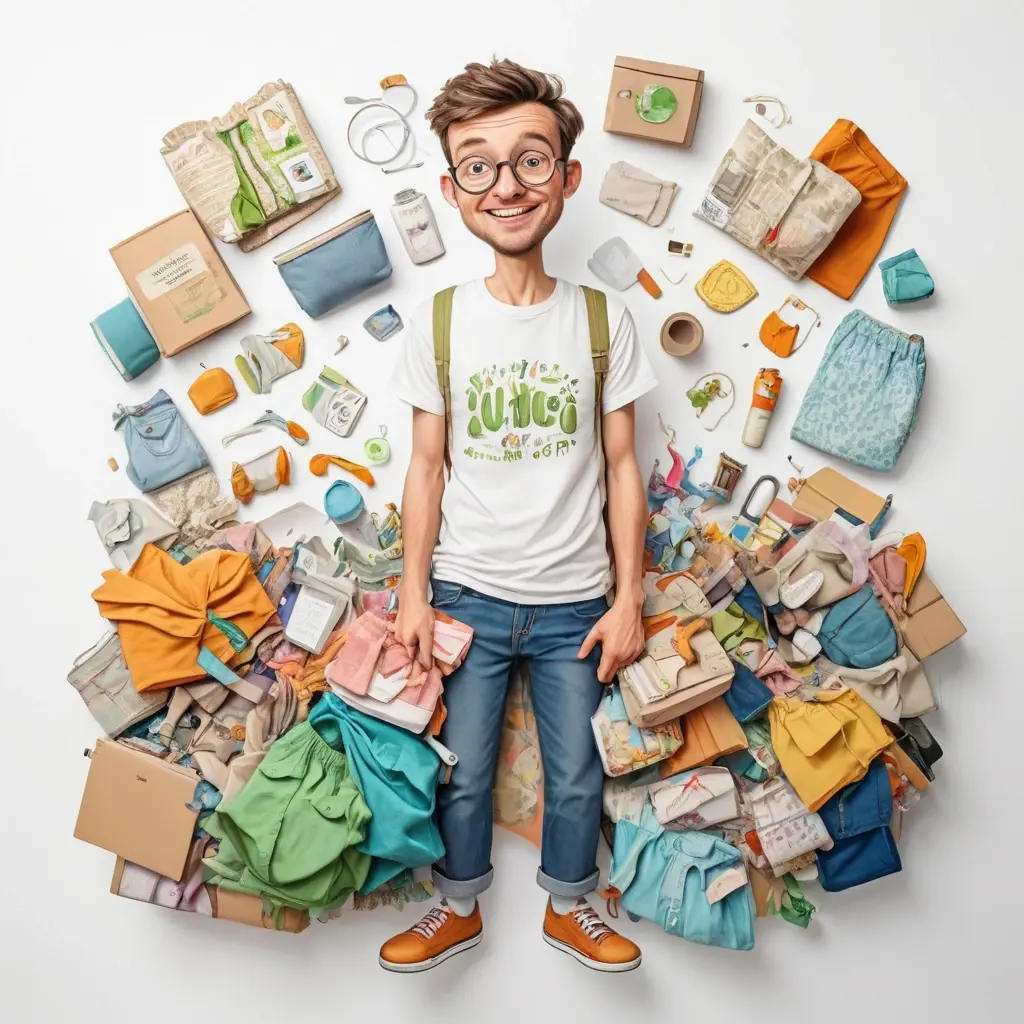
Transforming Old Clothes into Unique Zero Waste Gift Wraps
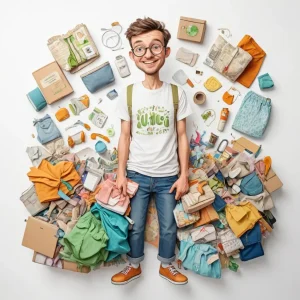
In an era where environmental consciousness is more important than ever, rethinking how we handle waste is essential. One fantastic way to contribute to sustainability is by repurposing old clothes as stylish, zero waste gift wraps. Not only does this reduce textile waste in landfills, but it also adds a personal and creative touch to your gift-giving experience. Below, we’ll explore innovative techniques to turn your worn-out shirts, scarves, or fabric scraps into beautiful, functional wrapping solutions.
why repurposing old clothes as gift wraps is eco-friendly and practical
Clothing waste constitutes a significant portion of landfill mass, with approximately 92 million tons of textiles discarded annually worldwide. From worn-out t-shirts to outdated scarves, these fabrics often end up unused, contributing to environmental pollution. Repurposing them as gift wraps minimizes textile waste, promotes recycling, and reduces reliance on conventional wrapping paper, which often isn’t recyclable or biodegradable.
Additionally, using fabric wraps can enhance the aesthetic of your presents, offering a reusable, durable alternative that can be cherished and reused multiple times. These wraps can be personalized with decorations, embroidery, or dyeing, making each gift uniquely special.
Creative Techniques for Converting Old Clothes into Gift Wraps
1. Fabric Wraps Using the Furoshiki Technique
The traditional Japanese art of furoshiki involves wrapping items with a square piece of cloth, creating an elegant and reusable gift wrap. With old shirts or scarves, you can cut large square pieces, ideally 50×50 cm or larger, for wrapping various gifts. This method is straightforward and requires no tape or ribbons—just style and skill.
To create a furoshiki from an old shirt, lay the shirt flat, cut away the sleeves and collar, and trim to form a square. Decorate the fabric with fabric paint or embroidery for a personal touch. The advantage is that once wrapped, the fabric can be tied in knots or bows, creating a beautiful presentation that the recipient can reuse for their own gift-giving or storage needs.
2. Turning Old T-shirts into Personalized Gift Bags
Old T-shirts can be transformed into charming gift bags with minimal sewing. Cut the T-shirt horizontally just below the sleeves, then sew the bottom shut if it’s not already hemmed. Reinforce the top edge for added durability. Use the shirt’s neckline as the opening, turning the fabric into a reusable gift sack.
This method is particularly fun because you can personalize the bags with fabric paint, stamps, or patches. Plus, the shirts’ design elements naturally add character. These fabric gift bags are sturdy, washable, and are suitable for small to medium-sized gifts such as jewelry, candles, or handcrafted items.
3. Repurposing Fabrics into Custom Gift Wraps with Fabric Scrap Collages
If you have assorted fabric scraps from old clothes, create patchwork gift wraps that are colorful and textured. Sew various fabric pieces together to form a large wrap, or simply glue or fuse them onto a backing fabric for a flat, decorative surface. This approach allows for creative expression and maximizes the use of every scrap.
Imagine a vibrant collage of vintage fabrics and patterns, transforming ordinary scraps into eye-catching gift wraps that can be tied with natural twine or ribbon. After use, these wraps can be washed and reused, aligning perfectly with the zero waste principle.
Additional Tips for Successful Upcycling
- Choose sturdy fabrics: Fabric with a bit of weight, such as denim or canvas from old jeans, will hold gifts better and last longer.
- Decorate creatively: Use natural dyes, embroidery, or appliqué to enhance your wraps and give them a distinctive look.
- Include care instructions: If the wraps are to be reused, inform recipients how to wash or care for the fabric properly.
Benefits of DIY Zero Waste Gift Wraps
Opting for homemade, upcycled gift wraps offers numerous benefits beyond environmental impact. You foster creativity, save money, and give presents an extra heartfelt touch. Furthermore, reusable fabric wraps naturally foster a zero waste lifestyle, reducing the need for single-use materials and encouraging sustainable habits.
My advice: Start small by repurposing old scarves or t-shirts into simple wrapping projects. As you gain confidence, you’ll discover endless possibilities—turning waste into wonderful art while helping the planet.
Conclusion
Repurposing old clothes into custom zero waste gift wraps is an innovative, sustainable practice that aligns style with environmental responsibility. With simple techniques like furoshiki, homemade fabric bags, and patchwork collages, you can transform forgotten garments into beautiful, reusable gift covers. Not only does this reduce textile waste and minimize environmental impact, but it also adds a thoughtful, personal touch to your gift-giving traditions. Embrace your creativity and contribute to a greener planet—your gifts will be both beautiful and eco-friendly!
Additional Resources
- Look for tutorials on fabric wrapping and sewing projects online for detailed step-by-step guides.
- Use natural dyes and sustainable materials to enhance your fabric wraps’s beauty and eco-friendliness.
Q1: What types of old clothes are best for making zero waste gift wraps?
A1: Durable fabrics such as cotton shirts, scarves, denim, or linen are ideal because they are sturdy, washable, and easy to work with. Avoid delicate silks or polyester that may tear or be difficult to sew.
Q2: How can I decorate my fabric wraps to make them more attractive?
A2: Use fabric paint, embroidery, appliqué, or natural dyes. You can also add ribbons, twine, or dried flowers for embellishment. Personal touches will make your wraps special and reusable.
Q3: Are fabric wraps suitable for all types of gifts?
A3: While they are versatile, fabric wraps work best for small to medium-sized and irregular-shaped gifts. For very large or heavy items, reinforced fabric or sturdier materials may be necessary.
Q4: How many times can a fabric gift wrap be reused?
A4: With proper care, a good-quality fabric wrap can be reused dozens of times—sometimes even over a hundred—making it an extremely sustainable choice.
Q5: What are some common mistakes to avoid when creating DIY gift wraps from old clothes?
A5: Avoid using fabrics that are too thin or fragile, overlook reinforcing seams, or neglect proper measurement. Careful planning and durable materials ensure your wraps last longer and look better.