



Understanding the Importance of Nautical Knots
Nautical knots are fundamental skills for sailors, fishermen, climbers, and outdoor enthusiasts. They ensure safety, secure loads, and enable effective communication on ships and in outdoor activities. According to recent surveys, nearly 78% of maritime accidents involve improper knot usage or failure to tie secure knots, highlighting the importance of mastering these skills.
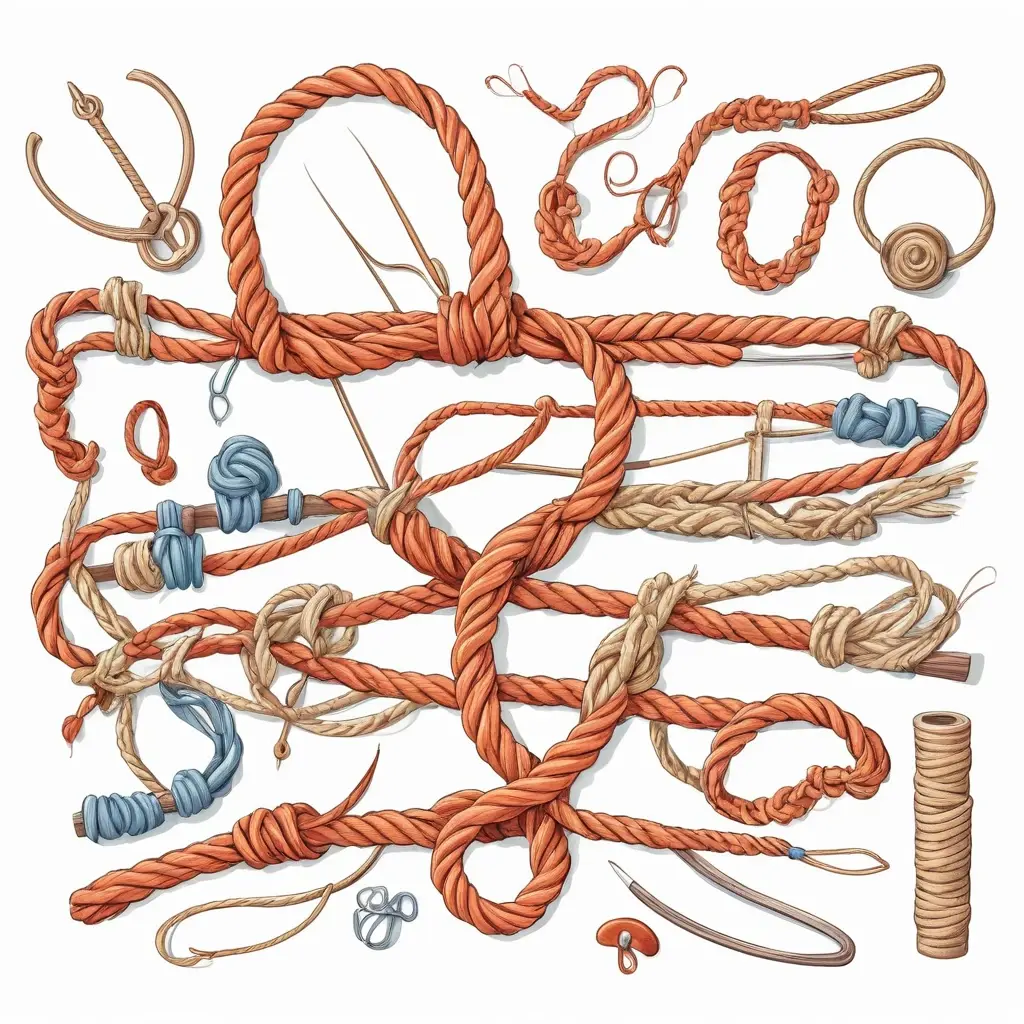
Whether you’re anchoring a boat, securing cargo, or preparing for emergency situations, knowing the right knot for the right purpose can make a significant difference. In this article, we will explore essential knots, provide illustrated step-by-step instructions, and share expert tips to help both beginners and seasoned sailors perfect their knot-tying skills.
Basic Nautical Knots Every Enthusiast Should Know
1. Bowline Knot
The bowline is often called the “king of knots” because of its strength and reliability. It creates a fixed loop at the end of a rope that won’t slip or jam under load, making it ideal for anchoring, rescue operations, and securing gear.
- Form a small loop (the “rabbit hole”) near the end of the rope.
- Pass the end of the rope (the “rabbit”) up through the loop.
- Wrap it around the standing part (the “trees”).
- Bring it back down through the loop (the “rabbit hole”).
- Pull tight while maintaining the shape.
“The bowline is versatile and easy to untie after bearing a load, making it a must-have knot on any boat or outdoor kit.” — Expert’s opinion
2. Square Knot (Reef Knot)
The square knot is used for tying two ropes of similar thickness together, such as in reefing sails or tying bandages. It is straightforward but should not be used for critical loads where safety is paramount.
- Hold one rope in each hand.
- Cross the right rope over the left and tuck it under.
- Repeat with the opposite ropes.
- Pull both ends tight to secure.
3. Clove Hitch
The clove hitch is excellent for temporarily securing a rope to a pole or cleat. Its main advantage is ease of adjustment, but it can slip under heavy load unless finished with a proper stopper.
- Wrap the rope around the object.
- Cross the rope over itself and wrap around again.
- Tuck the working end under the last wrap to secure.
Step-by-Step Guide: How to Tie Advanced Nautical Knots
1. Double Fisherman’s Knot
This knot is popular for joining two ropes securely, especially in fishing and climbing. Despite its complexity, with practice, it becomes intuitive.
- Overlap the two ropes.
- Wrap one end around the other twice, making a loop.
- Repeat the process in reverse with the other end.
- Pull tight to complete the knot, ensuring the knots are snug against each other.
2. Timber Hitch
Ideal for hauling logs or heavy loads, the timber hitch is simple yet robust. It tightens under strain but can be easily untied afterward.
- Wrap the rope around the load once.
- Make a few more turns over the initial wrap.
- Finish with a half hitch to secure.
Pro Tips for Tying Nautical Knots Effectively
- Always use appropriate rope for the task—nylon ropes are stretchy but strong, while manila is traditional for certain applications.
- Keep the rope’s tension consistent while tying; slack can cause knots to slip or become insecure.
- Practice regularly. Even complex knots become second nature after repetitive training.
- Use visual aids such as diagrams or videos to reinforce learning.
Common Mistakes and How to Avoid Them
Mistake Solution Incorrect hitches or bends (e.g., wrong end used) Always identify the working end and use it consistently for the knot you are tying. Not dressing the knot properly Pull all parts tight and ensure the knot is neat and symmetrical for maximum security. Choosing the wrong knot for the task Learn the purpose of each knot and select the most reliable one for the specific activity. Summary and Final Advice
In conclusion, mastering nautical knots is an invaluable skill that enhances safety and efficiency in marine, outdoor, and rescue scenarios. While some knots like the bowline and square knot are simple and suitable for beginners, advanced knots like the double fisherman’s require practice but add a layer of security.
My personal advice is to dedicate time to practice regularly and keep a reference guide or diagram handy, especially when learning new knots. Remember, a well-tied knot can be the difference between safety and disaster, so invest in honing your skills today.
Additional Resources
Consider enrolling in local sailing clubs or outdoor courses, or watching tutorial videos to see dynamic demonstrations. Practice with different types of ropes and under various conditions to build confidence and proficiency.
Q1: What is the most versatile knot for securing loads on a boat?
A1: The bowline knot is considered one of the most versatile and reliable knots for securing loads, because it creates a fixed loop that doesn’t slip under load and is easy to untie.Q2: How can I prevent knots from slipping or coming undone?
A2: Ensure your knots are properly dressed—tight and neat—and finish with appropriate stopper knots if necessary. Regular practice will also help you develop a feel for secure knot-tying.Q3: Are there specific knots recommended for climbing versus sailing?
A3: Yes. Climbing typically uses knots like the figure-eight follow-through and double fisherman’s for safety, while sailing often involves knots like the bowline and cleat hitch for everyday use. Tailoring your skill set to your activity is key.Q4: How long does it take to master basic nautical knots?
A4: With consistent practice, most people can become comfortable tying basic knots within a few hours. Advanced knots may require additional practice over weeks to perfect.Q5: Can I use any type of rope for practicing knots?
A5: It’s best to practice with the same type of rope you will use in real scenarios—nylon, polyester, or natural fiber ropes—since different materials behave differently and can affect knot performance.