



Transform Your Home’s Lighting with DIY Fixtures and Smart Placement
Understanding the Importance of Proper Lighting
Proper lighting is essential for creating a functional, inviting, and aesthetically pleasing home environment. It influences mood, enhances decor, and can even improve productivity. Studies show that good lighting can boost happiness by up to 21%. Many homeowners overlook the power of effective lighting placement and creative DIY fixtures, often settling for standard options. However, with a little effort and some smart ideas, you can significantly upgrade your space without breaking the bank.
Effective lighting combines multiple layers—ambient, task, and accent lighting—to achieve balance and versatility. This layered approach allows you to adapt your home’s ambiance to different occasions, whether it’s a cozy evening or a lively gathering. Incorporating DIY fixtures and strategic placement is a budget-friendly way to achieve this dynamic lighting setup.
Simple DIY Lighting Fixtures to Brighten Your Space
1. Mason Jar Pendant Lights
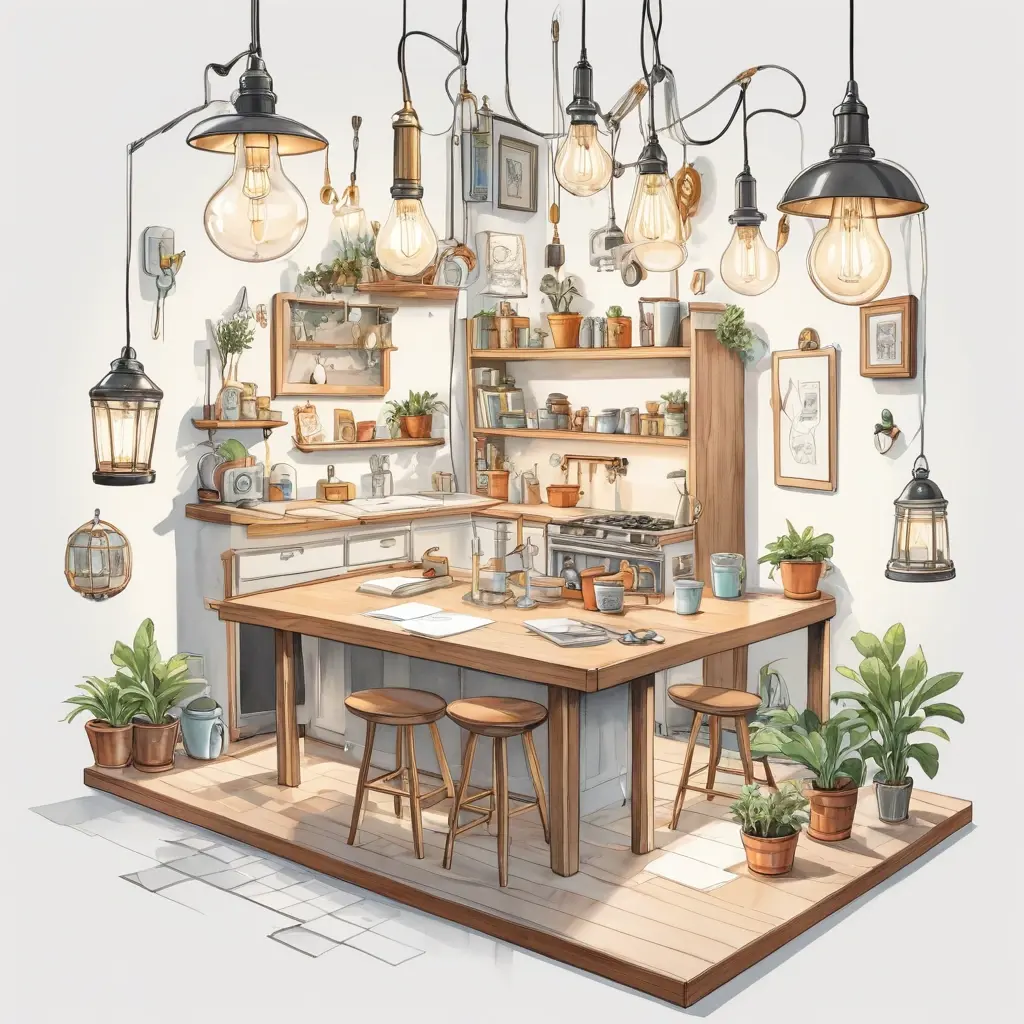
Mason jars are versatile and inexpensive, making them perfect for DIY lighting projects. To create a charming pendant light, suspend several jars at varying heights using sturdy cords or chains. Insert LED bulbs inside each jar for a warm, ambient glow. These fixtures work well in kitchens, dining areas, or even bedrooms for a rustic or vintage appeal.
Advantages include customization—painting jars, adding decorative elements, or using different sizes creates visual interest. Plus, LED bulbs are energy-efficient and long-lasting, reducing your overall energy costs.
2. Twinkle String Lights for a Cozy Atmosphere
String lights are a simple, affordable way to add a touch of magic to any room. Wrap them around headboards, drape over bookshelves, or outline ceiling moldings. Opt for warm white LEDs for a cozy feel, or colored lights for a playful vibe. Their ease of installation and versatility make them a top choice for DIY home lighting upgrades.
According to a survey, over 65% of homeowners who added string lights reported increased satisfaction with their home’s ambiance. Plus, they consume minimal electricity and can be easily stored and reused.
3. Repurposed Bottle Lamps
Recycling glass bottles into lamps is both eco-friendly and stylish. Fill bottles with fairy lights or install simple lamp kits inside. Cork or wire the bottle necks with cords and plugs. This creates unique statement pieces—perfect for coffee tables, shelves, or bedside lamps.
Their customization options are endless—paint bottles, add decorative elements, or use different shapes and colors for varied effects. This project is especially suitable for those looking to add personality to their decor.
Smart Placement Ideas to Maximize Lighting Efficiency
1. Use Light Layering Strategically
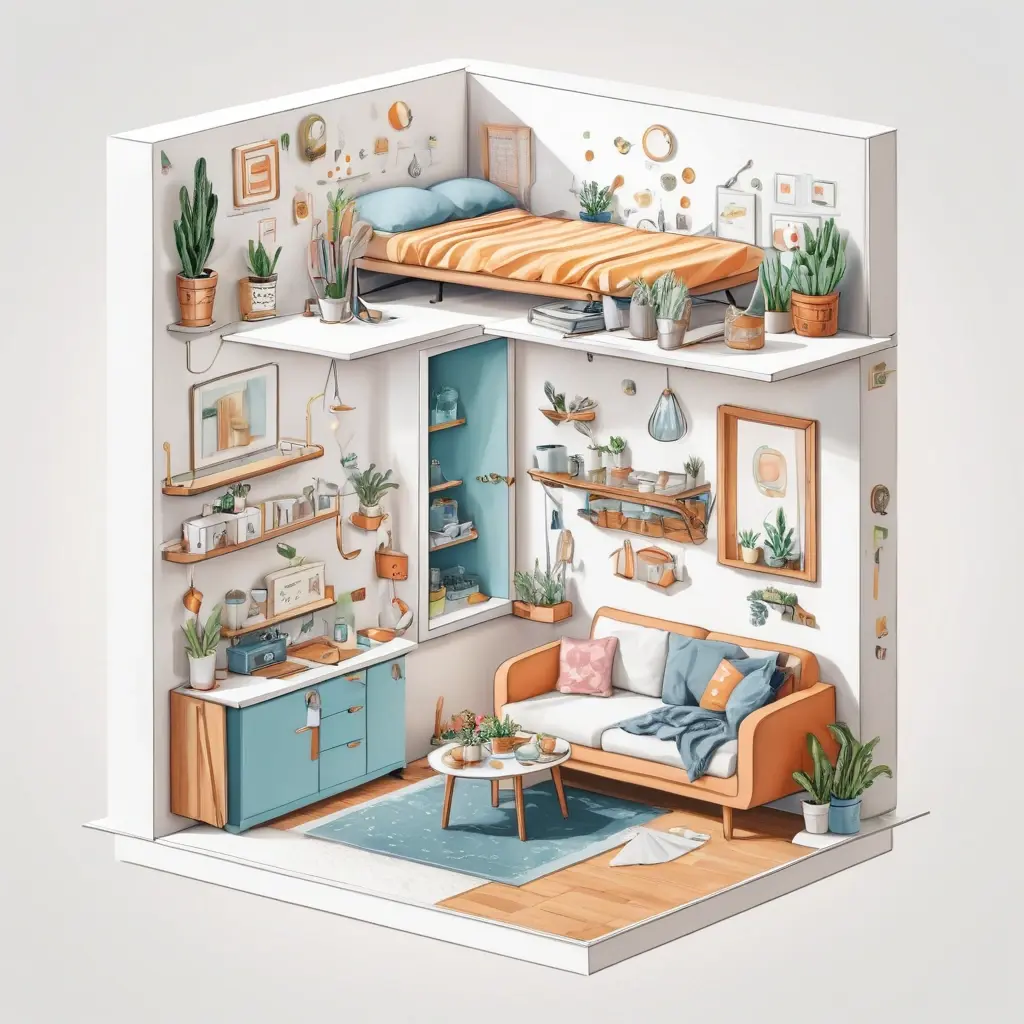
Layered lighting balances ambient, task, and accent sources. For example, combine overhead fixtures with table lamps and wall sconces. In the living room, installing a central ceiling light with adjustable dimmers allows flexible brightness, complemented by floor lamps in reading corners.
Statistically, rooms with layered lighting are rated 30% more functional and inviting. Proper placement ensures that each area is well-lit for its purpose without creating harsh shadows or glare.
2. Highlight Architectural Features and Decor
Use accent lights to emphasize moldings, artworks, or architectural elements such as arched doorways. Small, directional LED spotlights can be strategically positioned to draw attention where you want it most, adding depth and interest.
For instance, placing wall-mounted picture lights above artworks or niche lighting in display cabinets enhances both visual appeal and overall illumination.
3. Maximize Natural Light
Natural light is free, abundant, and beneficial for health. Maximize its intake by selecting window treatments that diffuse light without blocking it, such as sheer curtains. Use mirrors opposite windows to reflect sunlight deeper into rooms, effectively doubling the brightness.
Research indicates that homes with ample natural light can reduce the need for artificial lighting by up to 40%, conserving energy and improving well-being.
Expert Advice and Personal Tips
“The key to effective home lighting is balance and intentional placement. Even the most beautiful DIY fixtures won’t shine if placed poorly. Think about how each space is used, and tailor your lighting accordingly.” — Light Design Enthusiast
Final Thoughts
Improving your home’s lighting doesn’t have to be complex or expensive. By creating DIY fixtures and thoughtfully placing them, you can achieve a brighter, more welcoming environment. Experiment with different styles—such as mason jar pendants, fairy lights, or repurposed bottles—and consider the purpose of each space when planning your placement strategies.
Remember, lighting is an art as much as a science. Play with layers and focal points, and tailor your approach to suit your lifestyle and aesthetic preferences. With a little creativity and planning, your home can become a beautifully lit sanctuary that reflects your personality.
Q1: How can I incorporate DIY lighting fixtures into a small space without making it feel cluttered?
A1: Use compact DIY fixtures like string lights or small pendant lamps that complement your decor. Focus on placement—highlight key areas rather than overcrowding the space. Mirrors can also help reflect light and create an illusion of more space.
Q2: What’s the best type of lighting for a home office?
A2: A combination of ambient light with adjustable task lighting is ideal. Desk lamps with LED bulbs provide focused light for work, while a ceiling fixture or wall sconces ensure overall brightness. Position task lights to minimize glare on screens.
Q3: How do I ensure my DIY fixtures are safe and durable?
A3: Use quality materials designed for electrical fixtures, follow wiring safety standards, and consult or hire a professional electrician if needed. Loosely secured fixtures can cause accidents or damage over time, so proper installation is key.
Q4: Can smart placement of lighting reduce my energy bills?
A4: Absolutely. Strategically placing fixtures and using dimmers or motion sensors ensures lights are used only when needed, reducing unnecessary energy consumption. Additionally, maximizing natural light reduces dependence on artificial sources during daytime.