




DIY Home Repairs: Quick Fixes for Common Household Problems Without Calling a Professional
Introduction
Many homeowners face everyday issues that can be addressed without the need to hire a professional. From leaky faucets to squeaky doors, these small repairs can often be tackled with basic tools and a bit of know-how. Not only do DIY fixes save money, but they also provide a sense of accomplishment and a deeper understanding of your home. In this article, we’ll explore practical solutions for common household problems, supported by insights and expert advice to help you become more confident in handling repairs on your own.
Identifying Common Household Problems
Before diving into repairs, it’s crucial to correctly identify the issue. Accurate diagnosis prevents unnecessary work and helps determine the best solution. Common problems include leaking fixtures, clogged drains, squeaky hinges, and damaged drywall. It’s also essential to assess whether a problem is sensitive or potentially dangerous, in which case consulting a professional might be necessary.
According to a survey by home improvement experts, over 70% of homeowners prefer DIY repairs for minor problems and only seek professional help for major issues. This trend highlights the importance of knowing basic fixes to maintain and improve your home efficiently.
Tools and Materials You’ll Need
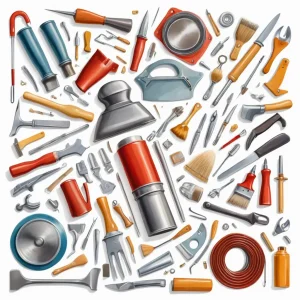
Having the right tools on hand makes any repair smoother. For most DIY household fixes, the following are essentials:
- Screwdrivers (Phillips and flat-head)
- Adjustable wrench
- Pliers
- Utility knife
- Socket set
- Drill and bits
- Pipe wrench
- Putty knife
- Sealant and caulk gun
- Replacement parts specific to each repair
Additionally, keep a stock of common supplies like plumber’s tape, epoxy, screws, and wall anchors. Proper preparation ensures quick and effective fixes.
Fixing Leaky Faucets and Plumbing
A dripping faucet isn’t just annoying; it can waste hundreds of gallons of water annually. Often, leaks are caused by worn-out washers or O-rings. To repair:
- Turn off the water supply to the faucet.
- Remove the handle with a screwdriver.
- Inspect the washer and replace if worn or damaged.
- Reassemble and test for leaks.
For minor pipe leaks, applying plumber’s tape or epoxy can temporarily fix the issue until a professional can evaluate more severe problems. Remember that persistent leaks could indicate more significant plumbing issues, so monitor the repair and seek help if necessary.
Unclogging Drains
Clogged drains are among the most common household frustrations. Before calling a plumber, try these DIY methods:
Using a Plunger
This simple tool creates pressure to dislodge blockages. Fill the sink or tub with enough water to cover the plunger cup, then pump vigorously a few times. Repeat if needed.
Natural Drain Cleaners
Mix baking soda and vinegar (1/2 cup each), pour into the drain, and follow with hot water after 15 minutes. This reaction helps break down grease and organic matter.
Manual Removal
If accessible, remove the drain trap and clear out debris. Wear gloves and a bucket to catch water and mess.
Squeaky Hinges and Doors
Squeaky doors and cabinets can be easily silenced with simple lubrication.
- Identify the hinge or moving part causing noise.
- Apply a silicone spray or WD-40 directly onto the hinge pins.
- Open and close the door several times to distribute the lubricant evenly.
If hinges are loose, tighten the screws or replace damaged ones. Regular maintenance prevents squeaks and prolongs the life of your fixtures.
Repairing Damaged Drywall and Walls
Cracks, holes, and dents in drywall are common but easy to fix with basic supplies.
Small Holes or Dents
Use a putty knife to apply joint compound to fill the damage. Once dry, sand smoothly and repaint.
Large Holes
Cut a piece of drywall to fit the hole, secure with drywall screws, then tape, mud, sand, and paint over the area.
Remember, proper prep work and patience are key. Use primer and matching paint for a seamless repair.
Maintaining Your Home to Prevent Future Problems
Regular inspections and maintenance are vital to avoid costly repairs. Check for leaks, test smoke detectors, inspect seals around appliances, and clean gutters. Developing a maintenance routine can save money and extend your home’s lifespan.
“In my experience, addressing small issues before they escalate is the best way to keep your home in top shape. A little effort today can prevent big expenses tomorrow.” – Home Improvement Expert
Conclusion
Homeownership involves ongoing maintenance and occasional repairs, many of which you can tackle yourself. With basic tools, some patience, and the right knowledge, you can solve common household problems quickly and cost-effectively. Remember to know your limits—safety first, and don’t hesitate to call a professional for complex or dangerous issues. Empower yourself with these DIY skills, and enjoy a more comfortable, well-maintained home.
Remember: Safety First!
Always wear protective gear when necessary, turn off utilities before working on plumbing or electrical fixtures, and consult manuals or online tutorials if unsure. With practice, your confidence in DIY home repairs will grow, making you more self-reliant and saving you money in the long run.
Q_A_BLOCK
Q1: Can I fix a leaky faucet myself, or should I call a plumber?
Most leaky faucets are simple to fix with basic tools and replacement washers or O-rings. If you feel comfortable with DIY tasks and follow safety procedures, you can often resolve the issue yourself. However, if the leak persists after repairs or involves complex plumbing, it’s best to consult a professional.
Q2: What’s the best way to unclog a stubborn drain without harsh chemicals?
Using a plunger combined with natural solutions like baking soda and vinegar is effective and environmentally friendly. First, try mechanical methods, and if necessary, manually remove any visible blockages. Avoid chemical drain cleaners, as they can damage pipes and harm the environment.
Q3: How do I repair a small crack in drywall?
Fill the crack with joint compound using a putty knife, smooth it out, and let it dry. Afterward, sand the area until smooth and repaint to match the surrounding wall. For larger holes, cut a patch of drywall, secure it, tape, mud, sand, and repaint.
Q4: How often should I inspect my home to prevent major repairs?
Perform a comprehensive home inspection every six months to a year. Regular checks of plumbing, electrical systems, appliances, and structural elements help catch issues early and prevent costly repairs in the future.
Q5: Is DIY home repair safe for someone with little experience?
Many simple repairs are safe for beginners if proper precautions are taken. Always research, follow instructions carefully, wear safety gear, and know when to seek professional help. Starting with small projects builds confidence and skills over time.