



Making the Most of Your Budget: Essential Tools and Materials for Beginners and Pros Alike
Understanding Your Needs and Setting Priorities
Before diving into purchasing tools and materials, it is crucial to analyze your specific needs. Whether you’re a hobbyist or a professional, understanding the scope of your projects can save you money and prevent unnecessary purchases. For example, if you primarily work on woodworking, investing in quality saws and clamps should be your priority over less-used items.
Setting priorities involves outlining your project requirements and identifying which tools are indispensable versus optional. This strategic approach not only optimizes your budget but also ensures you invest in durable, high-quality items that will last. Remember, a well-planned purchase saves money in the long run by reducing replacements and repairs.
Essential Tools for Beginners and Professionals
Basic Hand Tools
- Screwdrivers (Phillips and flat-head)
- Hammer
- Pliers
- Measuring tape
- Utility knife
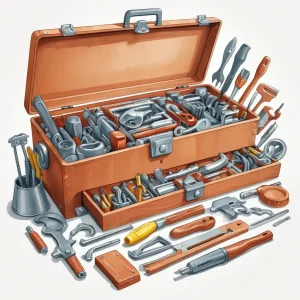
These fundamental tools are versatile across multiple projects, making them perfect for beginners. Professionals should look for ergonomic designs and durable materials to ensure longevity and efficiency.
Power Tools
| Tool | Typical Use | Budget Tips |
|---|---|---|
| Drill/Driver | Creating holes, driving screws | Opt for reputable brands with adjustable speed controls |
| Jigsaw | Cutting curves and intricate shapes | Consider corded models for continuous power, or cordless for portability |
| Sander | Smoothing surfaces | Begin with a versatile orbital sander for multiple applications |
Power tools significantly improve efficiency. For budget-conscious buyers, buying refurbished or selecting models with good warranty coverage can offer excellent value without sacrificing quality.
Materials and Consumables for Cost-Effective Projects
Choosing the right materials is as important as selecting tools. For instance, using composite or engineered wood rather than solid hardwood can reduce costs dramatically while providing durability. Similarly, opting for bulk purchases of consumables like nails, screws, or adhesives often results in significant savings.
Another tip is to source materials locally or from bulk suppliers to avoid high shipping costs and benefit from discounts. Sample items like paint or finishes should be tested on small areas before large-scale application to prevent waste, ultimately keeping your project within budget.
Budget-Friendly Buying Strategies
Shop Smart and Compare Prices
Comparison shopping is essential for getting the best deals. Use online marketplaces, local hardware stores, and seasonal sales to find discounts on tools and materials. Sign up for store newsletters or loyalty programs for additional savings and exclusive offers.
Invest in Versatile and Multi-Function Tools
Tools that serve multiple purposes can reduce clutter and expenses. A multi-bit screwdriver, for example, replaces multiple screwdrivers, saving space and money. Similarly, combining functions in one power tool, such as a combo kit that includes a drill and impact driver, provides flexibility without overspending.
Prioritize Quality over Quantity
While it might be tempting to buy cheaper tools, investing in higher-quality items ensures durability and safety, ultimately saving money over time. For example, a well-made cordless drill can last for years, whereas a cheaper alternative might require frequent replacements.
Expert Advice and Personal Opinion
In my experience, the most significant savings come from investing in the right tools from the outset. It’s better to buy a few high-quality, versatile items than multiple cheap, single-purpose tools. Over time, this approach not only saves money but also enhances your craftsmanship.
Conclusion
Optimizing your budget when building your toolkit requires careful planning, strategic purchases, and ongoing cost-saving practices. Focus on understanding your core needs, selecting versatile, durable tools, and sourcing materials wisely. Whether you’re a novice just starting or a seasoned professional refining your setup, these insights can help you make smarter decisions, extend the life of your tools, and ultimately, complete projects more efficiently and economically.
Remember, the key to making the most of your budget is patience, research, and investing in quality where it counts. With a thoughtful approach, you’ll transform your workspace into a cost-effective, productive environment capable of handling projects of any size.
Additional Resources
- Regularly review consumer reports for best-rated tools
- Join online communities and forums for shared buying tips
- Attend local workshops or demos to test tools before purchasing
1. How can beginners get started with a limited budget?
Beginners should focus on essential, versatile hand tools like screwdrivers, hammer, and measuring tape. Purchase mid-range or refurbished power tools, and gradually expand your collection as you gain experience. Prioritize quality over quantity to build a durable toolkit.
2. What are some cost-effective ways to acquire professional-grade tools?
Look for clearance sales, attend trade shows, buy refurbished tools from reputable sources, and consider sharing high-cost equipment with other hobbyists or professionals. Investing in multi-function tools also maximizes utility while saving money.
3. How do I avoid wasting money on materials?
Test paint and finishes on a small sample area before using on the entire project. Buy materials in bulk, source locally, and opt for engineered or composite materials that offer similar durability at a lower cost. Planning your project thoroughly also helps prevent unnecessary waste.
4. Are there any tools that are worth splurging on?
Yes, invest in high-quality safety equipment, durable drills, and versatile power tools like a good cordless drill or a multi-purpose rotary tool. These tools often see heavy usage, and quality ensures safety, efficiency, and longevity.
5. How often should I upgrade or replace tools?
Replace or upgrade tools when they no longer perform effectively, or when repair costs surpass the value of a new item. Regular maintenance and proper storage also extend the lifespan of your tools, delaying replacement needs.