


Organizing Your Workshop with Essential Tools and Materials
Creating an organized and efficient workshop is vital for maximized productivity, safety, and a pleasant working environment. The right tools and materials can transform a cluttered space into a well-structured hub of creativity and craftsmanship. Whether you’re a seasoned carpenter or a hobbyist, knowing which items are essential for organizing your workspace ensures you save both time and money.
Must-Have Storage Solutions
Effective storage is the backbone of a well-organized workshop. Investing in versatile and affordable storage options makes it easier to keep tools and materials accessible and tidy. Common solutions include wall-mounted shelves, pegboards, stacking bins, and rolling tool cabinets.
Wall-mounted shelves are inexpensive, easy to install, and provide immediate access to frequently used items. Pegboards offer customizable organization for hand tools, with hooks and bins that can be rearranged as the workshop evolves. Stacking bins or plastic containers are perfect for small parts like nails, screws, or bolts. Rolling tool cabinets combine mobility with ample storage and are ideal for workshops with limited space.
Tool Organization Essentials
- Pegboards and Hooks: These maximize wall space and keep tools visible and accessible.
- Magnetic Strips: Perfect for holding metal tools like screwdrivers and wrenches.
- Drawer Dividers: Help separate small hand tools within drawers, reducing clutter.
- Tool Bags and Totes: Great for transporting tools and keeping frequently used items together.
By investing in these organization tools, you can reduce time spent searching and improve workflow. Budget-friendly options are widely available at hardware stores and online concepts, making it possible to set up an efficient system without breaking the bank.
Essential Materials for DIY Organization Projects
Besides ready-made storage items, many DIY materials are affordable and can be customized to suit your space. Common materials include plywood, scrap wood, plastic bins, hooks, and Velcro strips.
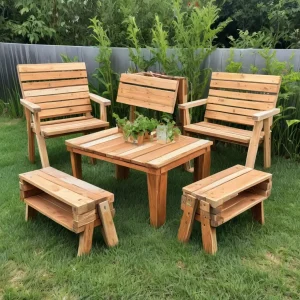
For example, constructing custom shelves from plywood allows you to maximize vertical space tailored to your specific needs. Using scrap wood for dividers or small storage boxes is an inexpensive way to create personalized compartments. Velcro strips can attach small tools or accessories to walls or inside drawers for quick access.
Labeling and Visibility Enhancement
- Label Makers or Handwritten Labels: Ensure every bin and drawer is clearly marked, reducing time spent searching.
- Transparent Storage Containers: These allow you to see contents instantly without opening every container.
- Color Coding: Use different colored bins or labels for types of tools or materials, streamlining workflow.
Clear visibility and labeling are often overlooked but are critical for keeping an organized workspace. They help prevent misplacing items and improve overall efficiency.
Additional Tips for a Cost-Effective Organization
Here are some expert tips to further enhance your workshop organization without overspending:
- Recycle and repurpose materials you already have, like old jars, drawers, or containers.
- Shop during sales or clearance events at hardware stores and online retailers.
- Plan your storage layout before purchasing to avoid unnecessary items and costs.
- Involve DIY projects to create custom storage solutions tailored to your needs.
“Organized workspaces boost productivity and safety—investing in versatile, affordable storage options is always worth the effort.” – Expert Opinion
Importance of Safe and Accessible Storage
Safety should always be a priority in workshop organization. Properly stored tools and materials reduce the risk of accidents, especially for sharp or heavy items. Accessibility is equally important; frequently used tools should be within easy reach, while seldom-used equipment can be stored higher or in less accessible areas.
Using labeled, transparent containers allows quick identification, reducing frustration during busy projects. Additionally, secured storage prevents theft or accidental spills that could damage your tools or workspace.
Conclusion
Establishing an organized workshop doesn’t have to be expensive. By selecting the right combination of affordable tools and materials—such as pegboards, shelving, labeled bins, and DIY projects—you can create a highly functional space. Proper organization enhances safety, efficiency, and overall enjoyment of your craft. Remember, planning and resourcefulness are key; with a little effort, your workshop can be transformed into a model of productivity and affordability.
Q1: How can I start organizing my workshop on a budget?
A1: Begin by decluttering, then repurpose existing materials, and buy essential storage solutions during sales. Use DIY projects like wooden shelves to maximize space affordably.
Q2: What are the most cost-effective storage options for small parts?
A2: Plastic stacking bins, recycled jars, or tackle boxes are inexpensive and perfect for small hardware. Label and organize them to keep track of parts easily.
Q3: How can I ensure my workshop remains organized over time?
A3: Establish a regular cleanup schedule, label everything clearly, and develop a system for putting tools back after each use. Constant small efforts maintain long-term order.
Q4: Are there environmentally friendly options for workshop organization?
A4: Yes, reuse and recycle materials like wood, jars, and containers. Choosing sustainable storage options and repurposing scrap materials minimizes environmental impact and costs.