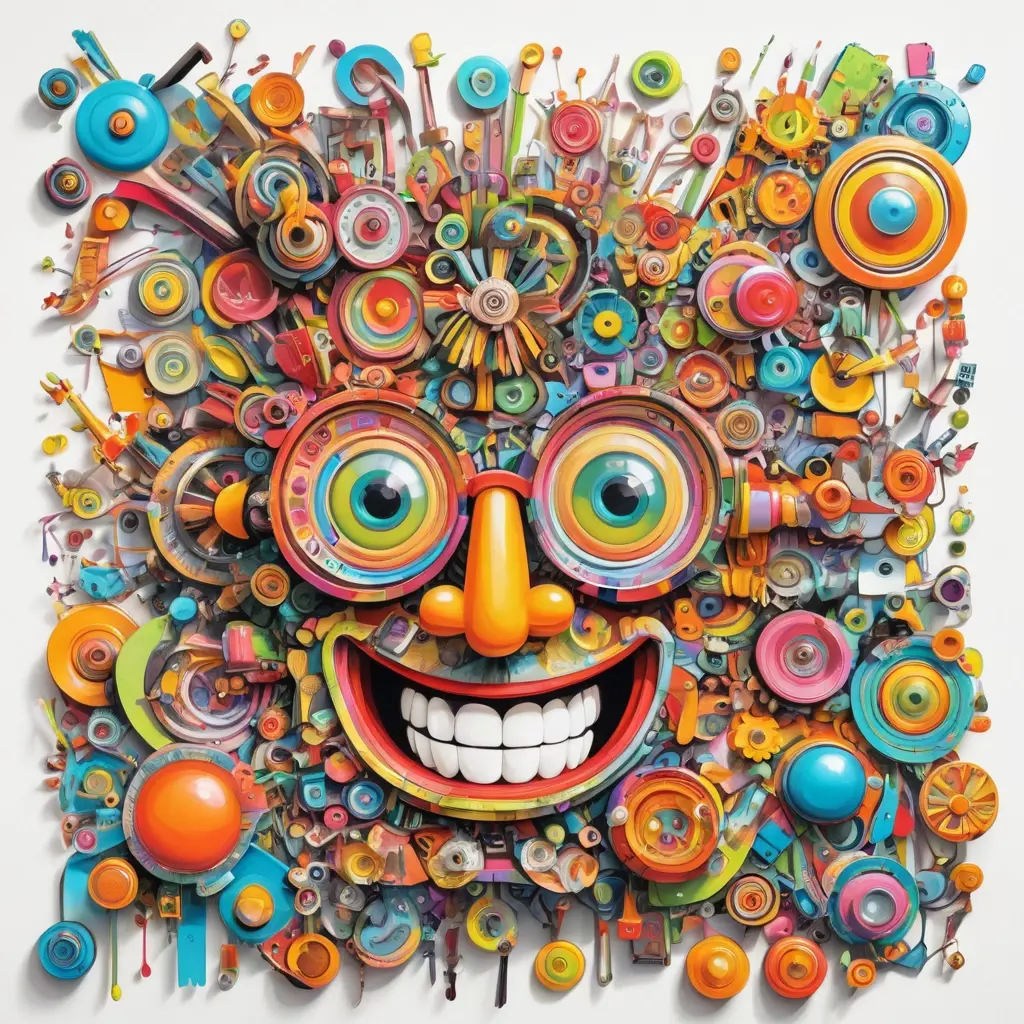
Transforming Scrap Materials and Leftover Paint into Stunning Wall Art
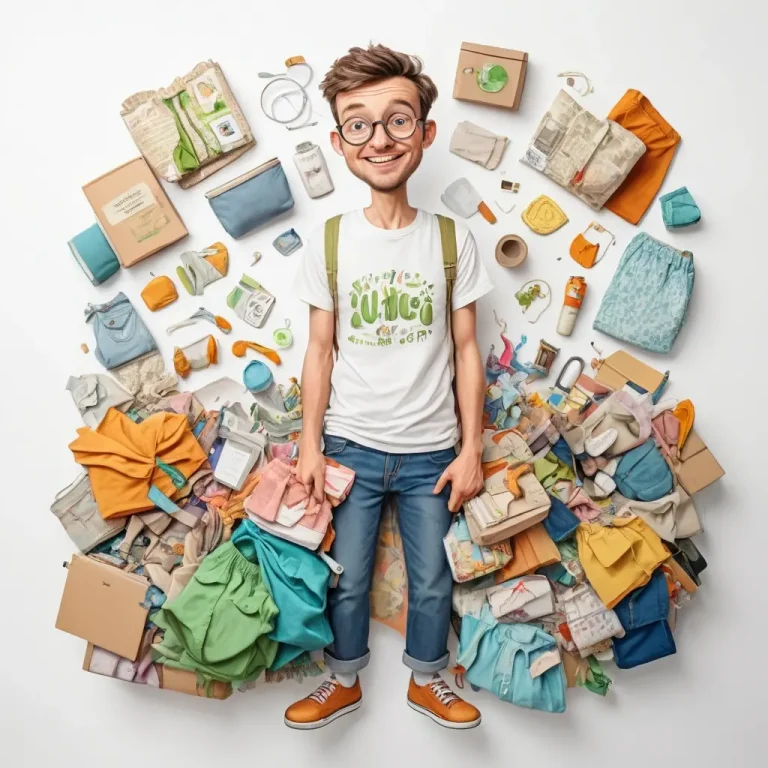
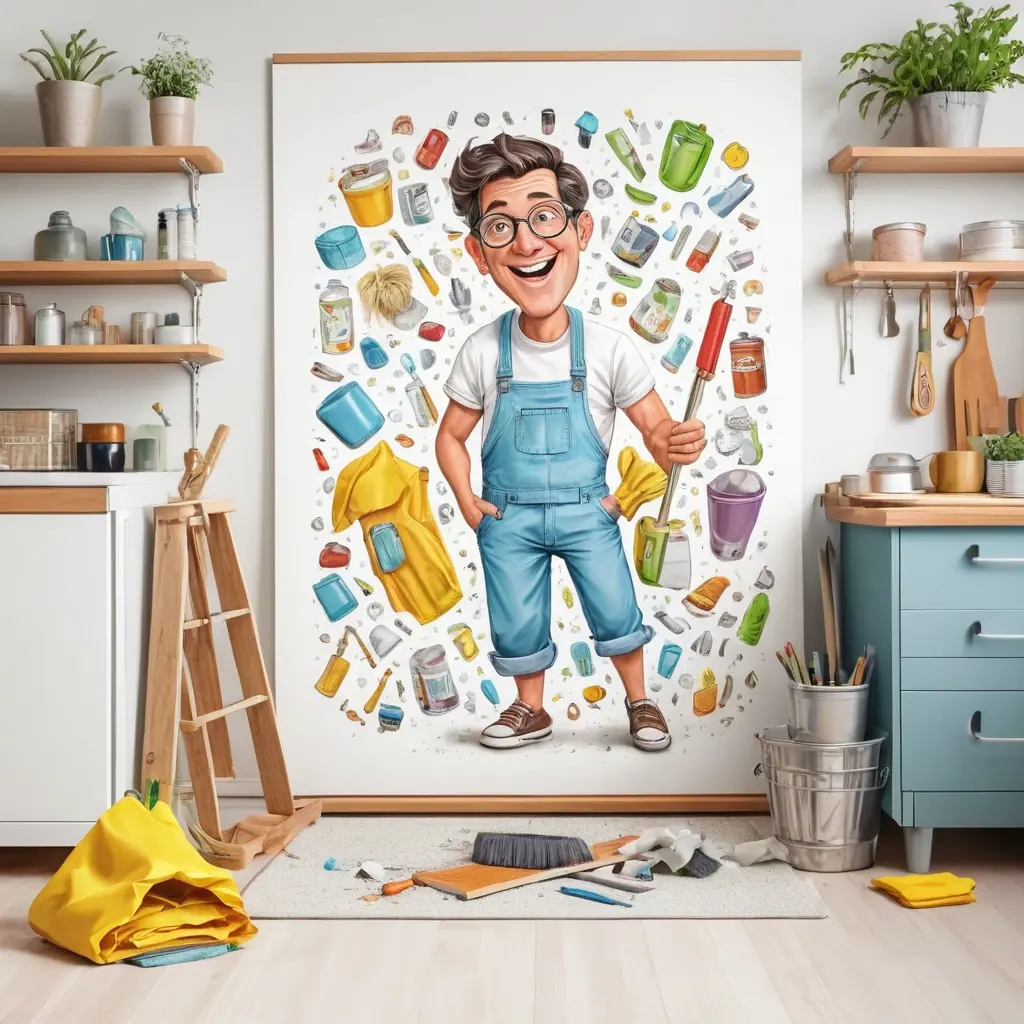
In an era where sustainability and creativity go hand in hand, repurposing scrap materials and leftover paint offers a fantastic opportunity to craft vibrant, eye-catching wall art. Not only does this approach reduce waste, but it also allows for truly unique home decor pieces that reflect personal style and environmental consciousness.
The Benefits of Creating Wall Art from Recycled and Leftover Materials
Using scrap and leftover paints for wall art has numerous advantages. Firstly, it’s an eco-friendly way to repurpose materials that might otherwise be discarded. According to environmental studies, recycling household waste reduces landfill contributions and conserves natural resources. Secondly, creating DIY wall art is cost-effective — you leverage materials already on hand, minimizing expenses.
Furthermore, the process is highly customizable. Artists and hobbyists can experiment with textures, colors, and forms, resulting in truly personalized artworks. Plus, the tactile nature of working with scraps often sparks creative innovation, resulting in pieces that are both meaningful and visually compelling.
Sources of Recyclable Materials
Common Scrap Materials
- Wood pallets and leftover planks
- Metal scraps from old furniture or hardware
- Glass shards from broken bottles or jars
- Fabric scraps and ribbons
- Plastic containers and packaging
Leftover Paint Options
Leftover paints are often found at the bottom of paint cans, which may seem unusable at first glance, but they offer excellent opportunities for textured backgrounds, color mixing, or accenting specific areas of your artwork. They can be in any color or consistency, from thick latex to diluted acrylics.
Designing Your Vibrant Wall Art
Before starting your project, envision the type of art you want to create. Think about the color palette, themes, and the overall style—whether abstract, geometric, or nature-inspired. Inspiration can come from nature, your surroundings, or even a specific art movement.
Sketching a rough design or gathering reference images can help clarify your ideas. Remember, the beauty of repurposed art is its authenticity and uniqueness — don’t be afraid to experiment and embrace imperfections.
Step-by-Step Guide to Creating Your Artwork
1. Gather Materials
Collect your scrap materials, leftover paints, brushes, adhesives, and tools such as scissors, drills, or wire. Organize everything for easy access.
2. Prepare Your Base
Determine the surface for your art — wall, canvas, or wooden panel. Ensure it’s clean, dry, and stable. For wall mounting, anchor hooks or brackets as necessary.
3. Design and Layout
Lay out your pieces to visualize the final composition. Experiment with placement and layering of scraps. Use painter’s tape or stencil outlines to help with precise arrangements.
4. Assembly
- Attach wooden pieces with nails, screws, or heavy-duty adhesive.
- Secure metal or plastic scraps with industrial glue or epoxy.
- Use leftover paint to add color accents, create backgrounds, or highlight textures.
Apply multiple layers of paint or sealers to enhance durability and finish.
5. Finishing Touches
Add embellishments such as beads, fabric patches, or metallic leafing for added dimension. Once satisfied, seal the piece with a protective varnish to ensure longevity.
Examples of Successful Upcycled Wall Art Projects
| Project Type | Description | Materials Used | Result |
|---|---|---|---|
| Wooden Mosaic Frame | Colorful mosaic frame assembled from broken wooden pieces | Pallet wood, leftover white paint | Vibrant, textured border that accents a minimalist photo display |
| Metal Abstract Sculpture | Abstract wall sculpture using scrap metal and spray paint | Scrap metal pieces, spray paint, leftover primer | Modern, industrial look with a dynamic three-dimensional effect |
| Glass Tile Wall Art | Colorful mosaic with recycled glass and grout | Broken glass bottles, leftover tile adhesive | Bright, reflective surface perfect for kitchens or bathrooms |
Tips and Tricks for Sustainable Artistic Creations
- Stay organized: Keep your scrap materials sorted by type and color for easy selection.
- Test your colors: Mix leftover paints on a palette to see how they interact before applying to your piece.
- Embrace imperfections: Flaws and irregularities add character and authenticity to your art.
- Use eco-friendly adhesives and sealers: Choose non-toxic options to keep your art sustainable and safe.
- Document your process: Share your upcycling journey on social media to inspire others.
Author’s Advice
In my opinion, creating wall art from scrap materials is not just a sustainable craft but a profound way to infuse your living space with personality and conscience. The imperfections and textures tell stories—every crack, color, and shape reflects a conscious choice to reuse and innovate. Start small, experiment boldly, and let your creativity lead the way. The best part? You’re making the world a slightly better place one masterpiece at a time.
Conclusion
Transforming leftover paints and scrap materials into vibrant wall art is a rewarding journey that combines environmental consciousness with creative expression. Whether you’re a seasoned artist or a curious beginner, the possibilities are endless. By repurposing what would otherwise be waste, you not only adorn your space with unique, colorful pieces but also advocate for sustainability. So gather your materials, unleash your imagination, and begin crafting beautiful, eco-friendly wall art that tells your story and brightens your home.
Q1: Can I create wall art using only scrap materials without painting?
Yes, absolutely! Many artists create stunning textured wall art using just scraps like wood, metal, and glass, focusing on the natural colors, textures, and arrangements. Painting is optional and can be used to enhance or unify the piece.
Q2: How do I ensure my scrap wall art is durable and lasts over time?
Use weather-resistant adhesives and sealers, especially if the artwork is placed outdoors. Applying a clear protective varnish can help protect against moisture, UV rays, and dust, ensuring longevity.
Q3: What are some popular styles for upcycled wall art?
Popular styles include abstract, geometric, rustic, industrial, and nature-inspired themes. The style depends on your materials and personal taste—mixing styles can also create eclectic, eye-catching pieces.
Q4: Are there safety concerns I should be aware of when working with scrap materials?
Yes. Always wear protective gear such as gloves, goggles, and masks when cutting, sanding, or handling potentially sharp or hazardous materials. Ensure proper ventilation when using paints and adhesives.