


Transform Your Garden with DIY Recycled Material Pathways
Creating a charming garden pathway doesn’t have to be complicated or costly. Using recycled materials not only helps the environment but also adds a unique, rustic charm to your landscape. Whether you’re a seasoned DIY enthusiast or a beginner, designing a pathway with recycled items can be both fun and rewarding.
Recycling materials such as broken tiles, old bricks, glass bottles, or pallets offers an affordable way to craft a pathway that complements your garden’s aesthetic. Plus, these materials often come with distinct textures and colors that can enhance the overall design. Not only is this environmentally friendly, but it also allows for creative expression as you tailor patterns and layouts to your personal style.
Essential Materials and Tools for Your DIY Garden Path
Before starting your project, gather the necessary supplies. Here’s a comprehensive list:
- Recycled Materials: Broken tiles, reclaimed bricks, glass bottles, old pavers, wooden pallets, natural stones, or concrete remnants.
- Foundation Materials: Crushed gravel or sand for leveling and drainage.
- Tools: Shovel, rake, tamper, rubber mallet, level, measuring tape, gloves, and safety goggles.
- Optional Decorative Items: Gravel, mulch, or small pebbles for filling gaps and adding visual interest.
Proper preparation is key. Ensure your site is cleared and leveled, with a stable base of gravel or sand to prevent shifting. This foundation prolongs the lifespan of your pathway and maintains its aesthetic appeal.
Designing Stylish Patterns with Recycled Materials
One of the most exciting aspects of creating a DIY pathway is choosing and implementing patterns. Recycled materials offer countless creative possibilities. Some popular patterns include:
Herringbone Pattern
This classic V-shaped pattern involves laying bricks, tiles, or stones at 45-degree angles. It adds a sophisticated touch and works well with uniform-sized bricks or tiles.
Running Bond Pattern
A straightforward, linear pattern similar to traditional brick walls. Use reclaimed bricks or tiles laid in overlapping rows for an easy yet stylish look.
Stepping Stones Pattern
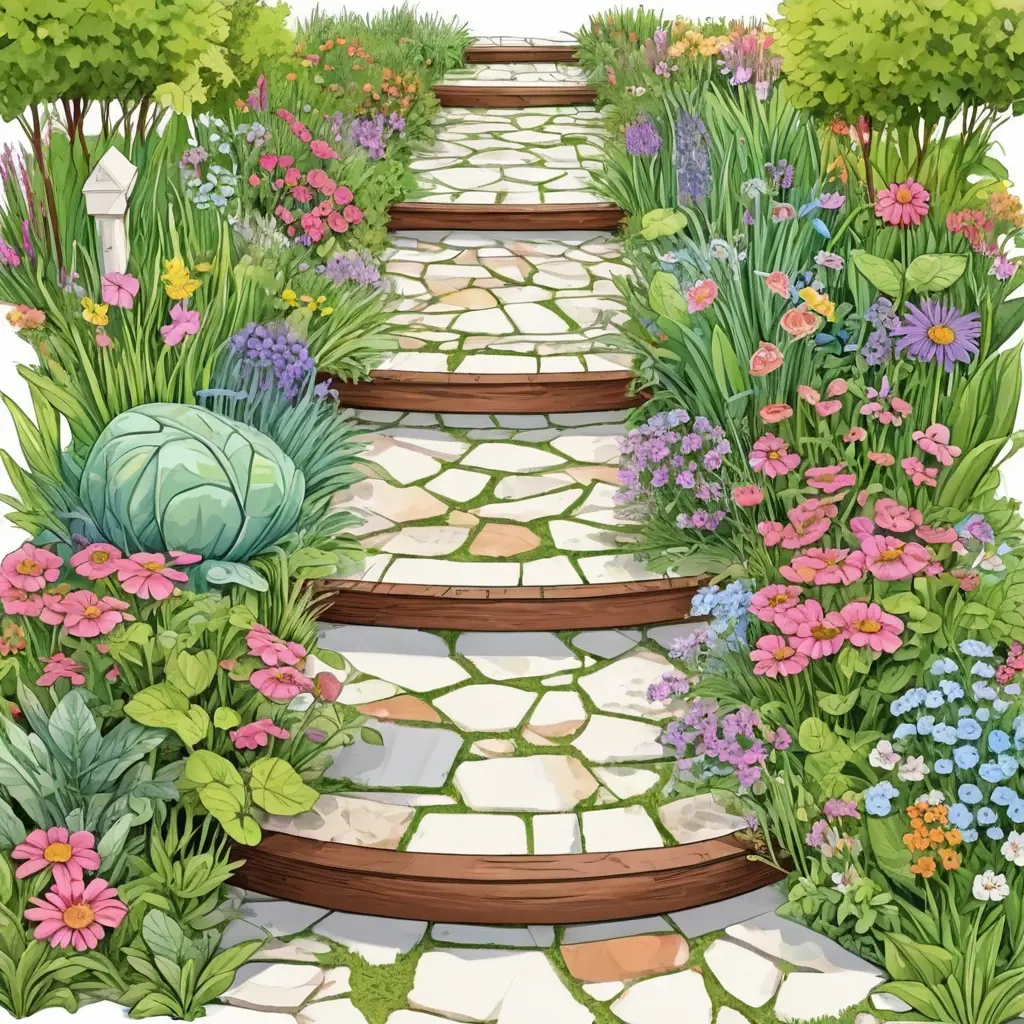
Place large natural stones or concrete slabs at intervals, surrounded by gravel or grass. This pattern creates a natural, informal appearance, perfect for woodland or cottage gardens.
Mixed Material Mosaic
Combine different recycled items—such as glass bottles, tiles, and stones—set in a specific pattern or randomly for an eclectic and vibrant pathway.
Plants can be integrated between the materials to soften the transition and add greenery, enhancing the natural feel.
Step-by-Step Guide to Building Your Recycled Material Pathway
- Plan Your Design: Sketch your pathway layout, selecting materials and pattern. Measure the length and width to estimate quantities.
- Prepare the Site: Clear grass, weeds, and debris. Excavate to a depth of about 4-6 inches, depending on your materials.
- Lay the Foundation: Add a layer of crushed gravel or sand, leveling it with a tamper and ensuring good drainage.
- Arrange Materials: Lay out your recycled materials according to your pattern, adjusting as needed before fixing them in place.
- Secure and Adjust: Press materials firmly into the base. Use a rubber mallet to settle them and ensure stability.
- Fill Gaps: Fill the spaces between materials with gravel, sand, or small pebbles to secure them and create smooth surfaces.
- Finish: Compact the whole pathway, rake smooth, and add decorative plants or edging to complete the look.
Styling Tips for a Sustainable and Stunning Garden Path
– Use contrasting textures and colors for visual interest—pair smooth glass bottles with rough stones, for example.
– Incorporate lighting elements such as solar-powered pathway lights; recycled jars or bottles can be transformed into charming lanterns.
– Maintain your pathway by periodically replacing or repositioning loose materials and removing weeds from between stones.
– Think green—plant low-maintenance ground cover along the edges to integrate natural elements and prevent erosion.
Author’s Advice:
I believe that repurposing materials in your garden not only saves money but also adds a personal touch to your landscape. Don’t be afraid to experiment with different patterns and colors—your unique pathway will become a conversation piece and a testament to sustainable living.
Benefits of Using Recycled Materials for Garden Pathways
– Cost-Effective: Recycled items are often available free or at low cost, significantly reducing your project expenses.
– Eco-Friendly: Reusing materials reduces waste and the demand for new resources, supporting environmental sustainability.
– Unique Aesthetic: Each recycled element has its own character, resulting in one-of-a-kind designs.
– Creative Engagement: The process of selecting and arranging materials fosters creativity and a sense of accomplishment.
Conclusion
Designing and constructing your own garden pathway using recycled materials offers a rewarding blend of creativity, sustainability, and style. By planning carefully and experimenting with patterns, you’ll transform an ordinary outdoor space into a charming, eco-friendly haven. Whether you prefer a traditional running bond or a vibrant mosaic of glass and stone, the possibilities are endless. Embrace your DIY spirit and enjoy watching your garden flourish with a pathway that reflects your unique personality and commitment to environmental consciousness.
Q&A Block
Q1: Can I use broken tiles and glass bottles together in the same pattern?
Absolutely! Mixing these materials can create a vibrant, eclectic look. Just ensure that sharp edges are smoothed or adequately embedded to prevent injury and that the pattern remains stable.
Q2: How long will a recycled material garden pathway last?
With proper installation and maintenance, a well-built pathway using durable materials like bricks or natural stones can last 10-20 years or more. Regular inspection and quick repairs will extend its lifespan.
Q3: Are there any safety tips when working with recycled glass or sharp-edged materials?
Yes, always wear gloves and safety goggles. Smooth or break the edges of glass bottles and tiles before installation, and handle sharp materials carefully. Working on a stable, flat surface also reduces accidents.
Q4: Can I integrate plants into my recycled pathway design?
Definitely! Planting low-growing ground cover or herbs along the edges, or placing potted plants among the stones, adds greenery and softens the structure for a more inviting look.