


Transform Your Urban Balcony with a Vertical Herb Garden
Living in the city often means limited space, but that shouldn’t limit your garden dreams. A vertical herb garden can turn even a small balcony into a lush, aromatic oasis. By growing herbs vertically, you maximize your space, add visual interest, and enjoy fresh, flavorful herbs right at your fingertips. Whether you’re a seasoned gardener or a beginner, designing a vertical herb garden offers a rewarding project that can elevate your urban retreat.
Choosing the Perfect Location and Layout
The first step in creating a vertical herb garden is selecting the ideal spot. Most herbs require at least six hours of sunlight daily, so find a balcony that receives ample daylight. Consider factors such as wind exposure and accessibility when planning your layout. A well-placed garden not only ensures healthy plant growth but also maximizes your enjoyment of the space.
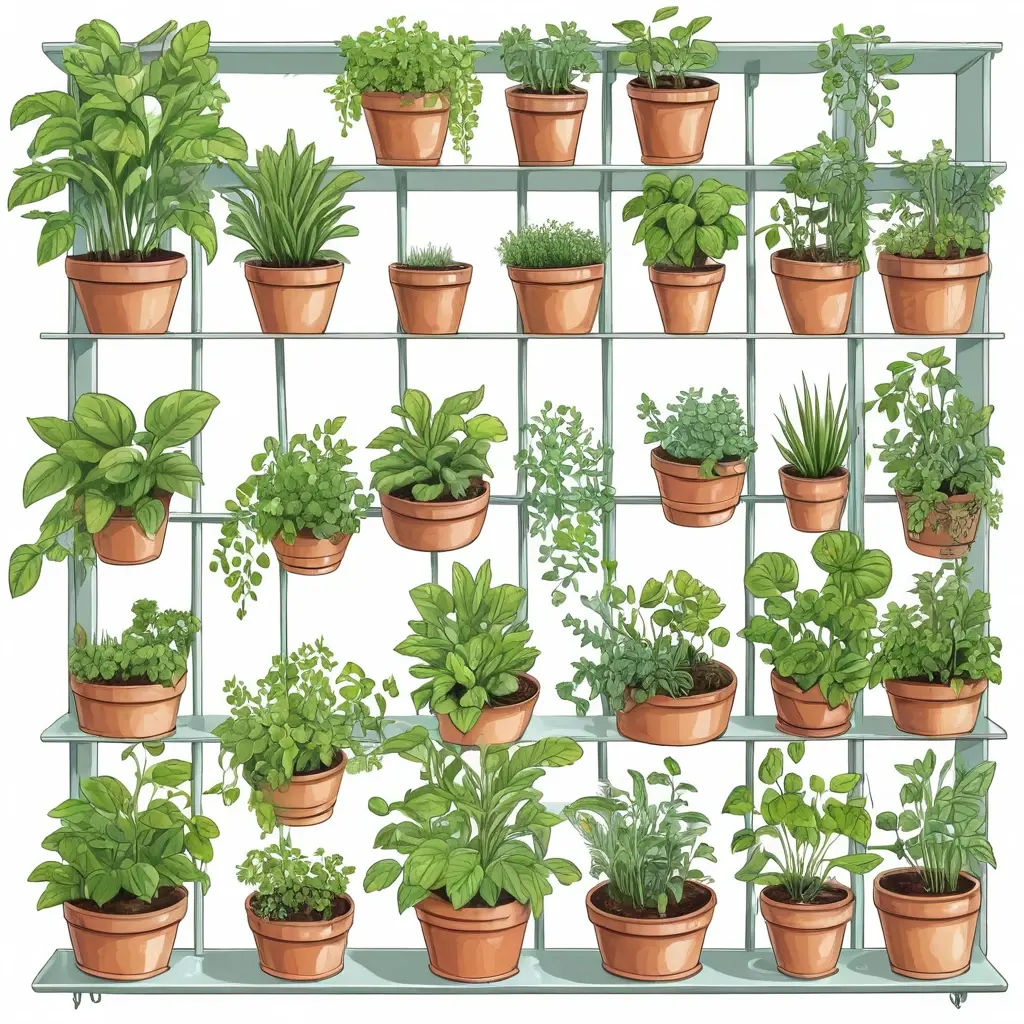
Layout options vary based on your available space and aesthetic preference. Popular designs include wall-mounted planters, hanging pockets, vertical pallets, and modular plant systems. For smaller balconies, vertical wall panels or inset pocket planters work well to save space while providing ample room for a variety of herbs like basil, thyme, and parsley.
Materials and Structures for a Vertical Herb Garden
Selecting durable, lightweight, and weather-resistant materials is key to creating a sustainable vertical garden. Common options include recycled wood, metal frames, plastic containers, fabric planting pockets, and specialized vertical garden panels. Just ensure that the materials are non-toxic and suitable for outdoor use to protect your herbs from environmental damage.
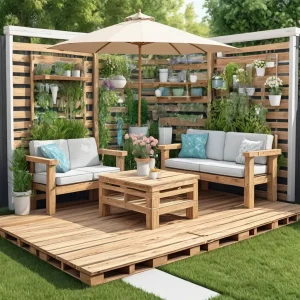
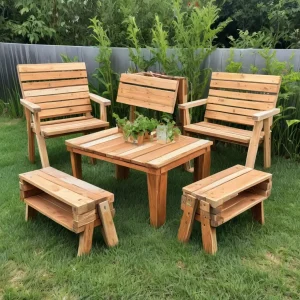
For example, a vertical pallet garden using reclaimed wood and fabric pockets can be both cost-effective and eco-friendly. Metal piping or brackets mounted on a sturdy wall offer a modern aesthetic and excellent stability. If you’re short on space or want portability, modular vertical planters with wheels provide flexibility.
| Material | Advantages | Considerations |
|---|---|---|
| Reclaimed wood | Eco-friendly, customizable | Requires sealing for weather resistance |
| Plastic containers | Lightweight, affordable | Can degrade over time if UV-exposed |
| Fabric pockets | Good drainage, flexible | Need durable, outdoor-grade fabric |
Soil, Watering, and Plant Care Tips
Choosing the right soil is essential for healthy herb growth. Use a high-quality potting mix enriched with organic compost, providing proper drainage and nutrients. Herbs don’t like waterlogged roots, so incorporating coarse sand or perlite can improve soil aeration.
Watering is another critical aspect. Vertical gardens tend to dry out faster due to increased exposure and drainage. Implement drip irrigation systems or set up a regular watering schedule, ensuring each plant receives adequate moisture. Consider installing small self-watering containers to reduce maintenance efforts.
Regular pruning and harvesting encourage lush growth and prevent overcrowding. Many herbs, such as basil, thrive with frequent snipping, which also prevents flowering and maintains flavor intensity. Keep an eye out for pests and diseases, especially in humid climates, and address issues promptly to ensure a thriving garden.
Design Tips and Creative Ideas for Your Vertical Herb Garden
Personalize your vertical herb garden with creative design elements. Use color-coordinated pots, decorative stones, or fairy lights to add visual appeal. Incorporate different textures and heights to create an eye-catching display.
Layering herbs with varying light and water needs can optimize space and plant health. For example, place sun-loving herbs like rosemary and oregano in the top tiers, and shade-tolerant mint and chives lower down. Including a small seating area nearby enhances the overall retreat atmosphere.
**My opinion:**
Opt for an eco-friendly approach by recycling and repurposing materials. This not only saves money but also reduces waste, making your garden more sustainable. For example, old rain gutters can be mounted vertically for herbs, combining functionality with creativity.
Maintenance and Monitoring
A vertical herb garden requires regular attention to keep herbs healthy and productive. Check soil moisture daily, especially during hot spells, and prune dead or yellowing leaves. Fertilize monthly with organic liquid feeds—herbs respond well to diluted compost tea or fish emulsion.
Monitoring for pests such as aphids or spider mites is vital. Use natural remedies like neem oil or insecticidal soap if necessary, avoiding chemical pesticides that can harm beneficial insects. Rotate herbs periodically to prevent disease buildup and to enjoy a variety of flavors throughout the growing season.
Benefits of a Vertical Herb Garden in an Urban Setting
Beyond aesthetics, a vertical herb garden offers numerous benefits for city dwellers. It improves air quality by filtering pollutants and increasing oxygen levels. Growing herbs indoors or on balconies can reduce grocery bills by providing fresh ingredients for cooking.
Moreover, engaging with gardening reduces stress and enhances mental well-being. It’s a productive hobby that brings a sense of achievement, especially as you watch your herbs flourish. According to recent studies, urban gardening can increase property value and attract beneficial insects, contributing to a healthier environment.
Conclusion
Creating a vertical herb garden on your urban balcony is an enjoyable, space-efficient project that can significantly enhance your living environment. By selecting the right location, materials, and care routines, you can cultivate a vibrant, productive green space filled with fragrant herbs. Whether you aim for a minimalist aesthetic or a lush oasis, vertical gardening offers endless possibilities.
With a little planning and creativity, your balcony can become a personal retreat—full of fresh herbs, lively colors, and the satisfying joy of gardening — right in the heart of the city. Start small, stay consistent, and watch your urban herb sanctuary grow and thrive.
Q1: What are the easiest herbs to grow in a vertical balcony garden?
A1: Basil, mint, chives, thyme, and parsley are some of the easiest herbs to grow vertically, as they adapt well to container life and require minimal maintenance.
Q2: How often should I water my vertical herb garden?
A2: Water frequency depends on climate and material, but generally, vertical gardens need watering once daily or when the topsoil feels dry. Using self-watering systems can help maintain consistent moisture.
Q3: Can I grow herbs year-round on my balcony?
A3: In mild climates, herbs can grow year-round outdoors. In colder regions, consider bringing potted herbs indoors during winter or using outdoor warm covers to extend the growing season.
Q4: What are some common challenges faced in vertical gardening and how to overcome them?
A4: Challenges include poor drainage, pest infestations, and limited sunlight. Use well-draining soil, monitor and control pests naturally, and position your garden where it gets adequate light to mitigate these issues.