


Transform Your Balcony with Space-Saving Vertical Garden DIY Projects
Why Choose a Vertical Garden for Your Balcony?
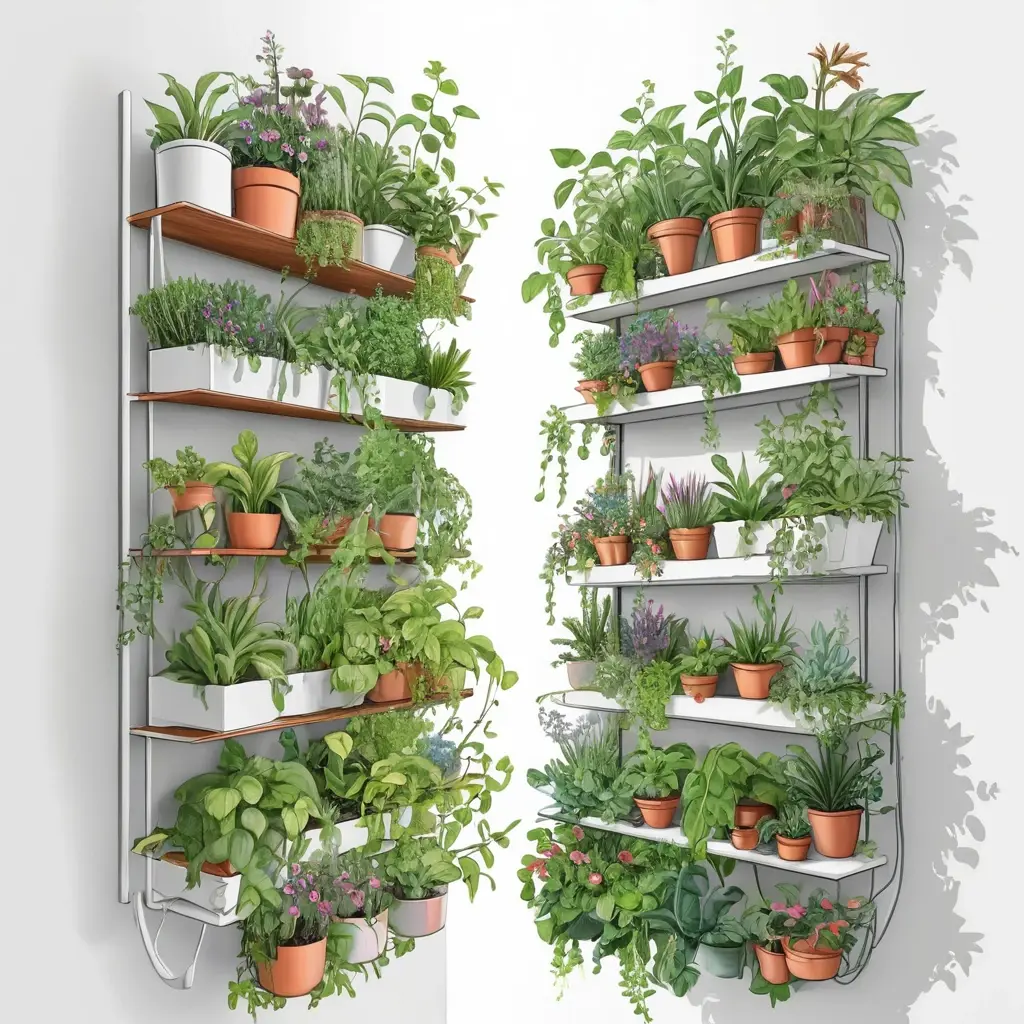
Many urban dwellers face the challenge of limited outdoor space, especially on balconies. Traditional gardening can quickly become impractical without a large area. Vertical gardens present an ideal solution by utilizing vertical space efficiently, transforming small balconies into lush, vibrant retreats.
According to recent urban gardening statistics, vertical gardens can increase plant productivity by up to 50% compared to traditional ground planting, mainly because they optimize space and improve plant health through better air circulation. Additionally, they add aesthetic value, improve air quality, and can even help insulate your balcony, reducing energy costs.
Essential Materials for DIY Vertical Gardens
Before starting your DIY project, gather all necessary materials:
- Wooden pallets or frames
- PVC pipes or succulent trays
- Binder clips, hooks, or sturdy wire
- Waterproof fabric or landscape fabric
- Potting soil and compost
- Plant varieties suitable for vertical growth (herbs, strawberries, succulents, small flowers)
- Drill and screws (if constructing wooden structures)
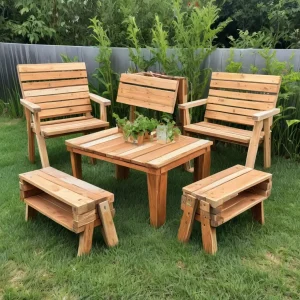
Choosing eco-friendly and lightweight materials not only makes installation easier but also ensures sustainability. For example, repurposing wooden pallets reduces waste and gives your garden a rustic charm.
Step-by-Step DIY Vertical Garden Ideas
1. Pallet Vertical Garden
This classic DIY project involves repurposing wooden pallets, which are widely available and inexpensive. Sand the pallet edges for safety, then attach landscape fabric to the back or within the slats to hold soil. Securely mount the pallet against a wall with brackets or hooks, and fill with your chosen plants—perfect for herbs, flowers, and small vegetables.
For added stability, consider attaching pots or small containers to the slats. This method is versatile, cost-effective, and allows for creative customization based on your plant preferences and available space.
2. Hanging Shoe Organizer Gardens
Using a clear plastic or fabric shoe organizer is an innovative way to create a portable vertical garden. Hang it on your balcony wall and fill individual pockets with potting soil and plants. This method is excellent for small herbs or succulents, and the transparent pockets allow you to see the plants’ growth and health easily.
Pros include easy maintenance and the ability to rearrange or replace plants as needed. It’s also lightweight and suitable for renters who want a flexible gardening solution.
3. DIY Pipe Garden
PVC pipes can be cut into sections and mounted vertically on a wall or fence. Drill holes into the pipes to create pockets for soil, then plant trailing or upright plants like strawberries, cherry tomatoes, or ornamental flowers. This design is highly customizable in length and diameter, making it adaptable to various balcony sizes.
Ensure proper drainage by adding holes at the bottom and elevating the pipes slightly off the ground. Paint or decorate the pipes for visual appeal, turning functional gardening into an art form.
Maximizing Space and Ensuring Plant Health
Effective vertical gardening requires thoughtful planning. Allocate space based on plant size and sunlight needs, and arrange plants accordingly. For example, sun-loving plants should be placed where they receive maximum sunlight, while shade-tolerant varieties can be positioned in less exposed areas.
Watering can present challenges; installing drip irrigation systems or self-watering planters can help maintain consistent moisture levels without overwatering. Regular pruning and deadheading encourage healthy growth and prevent over-crowding, which can inhibit airflow and promote disease.
Lighting, Watering, and Maintenance Tips
Proper lighting is essential for indoor and outdoor vertical gardens. If natural light is limited, consider supplemental grow lights that can be easily installed on your balcony ceiling or walls. For balconies with ample sunlight, ensure plants are placed in spots where they get at least 4-6 hours of direct light daily.
Consistent watering is vital; use moisture-retaining soil mixes and check regularly for dryness. Drip irrigation kits or self-watering pots can save time and effort. Regular fertilization with organic compost or liquid plant food will keep your plants lush and healthy.
Author’s Advice
In my opinion, the most rewarding aspect of creating a vertical garden is the sense of achievement and the visual impact it brings to small spaces. Start small, experiment with different plants, and tailor your design to your personal style. Remember, sustainability and functionality go hand in hand—use recycled materials whenever possible for an eco-friendly touch.
Benefits of Vertical Gardens on Your Balcony
| Benefit | Description |
|---|---|
| Space Efficiency | Maximizes limited balcony space by utilizing vertical areas for planting. |
| Air Quality Improvement | Plants absorb pollutants and release oxygen, enhancing outdoor air quality. |
| Insulation and Cooling | Vertical plants can moderate temperature fluctuations, making your outdoors more comfortable. |
| Aesthetic Enhancement | Creates a lush, personalized green space that transforms your balcony into an urban oasis. |
| Food Production | Grow herbs and vegetables close at hand, reducing grocery costs and increasing freshness. |
Conclusion
Transforming your balcony with space-saving vertical garden DIY projects is an excellent way to bring nature into small urban spaces. Whether through repurposed pallets, hanging organizers, or customized pipe gardens, there are countless creative options to suit your style and needs. By incorporating sustainable materials, planning for light and water, and maintaining your plants diligently, you can create a thriving vertical oasis that enhances your living environment and promotes eco-conscious living.
Start small, experiment, and enjoy the beauty and benefits of your DIY vertical garden. It’s a rewarding project that combines functionality with aesthetic appeal, making your balcony a true extension of your home.
Q1: Can I grow vegetables in a vertical garden on my balcony?
Yes, many vegetables such as strawberries, cherry tomatoes, lettuce, and herbs thrive in vertical gardens. Ensure the containers have proper drainage and are placed where they receive adequate sunlight.
Q2: What are the best plants for a shaded balcony vertical garden?
Shade-tolerant plants like ferns, hostas, impatiens, and certain orchids are suitable for less sunny areas. Use reflective surfaces to maximize available light and consider supplemental grow lights if needed.
Q3: How often should I water my vertical garden?
Watering frequency depends on the plant types and weather conditions. Typically, watering every 2-3 days is sufficient, but self-watering planters or drip irrigation systems can help maintain consistent moisture levels and reduce manual effort.
Q4: Is it safe to use recycled materials in my vertical garden?
Absolutely. Using recycled materials like pallets or old containers is both eco-friendly and cost-effective. Just ensure they are free from harmful chemicals or residues that could leach into your soil or plants.