


Understanding Why Toilets Keep Running
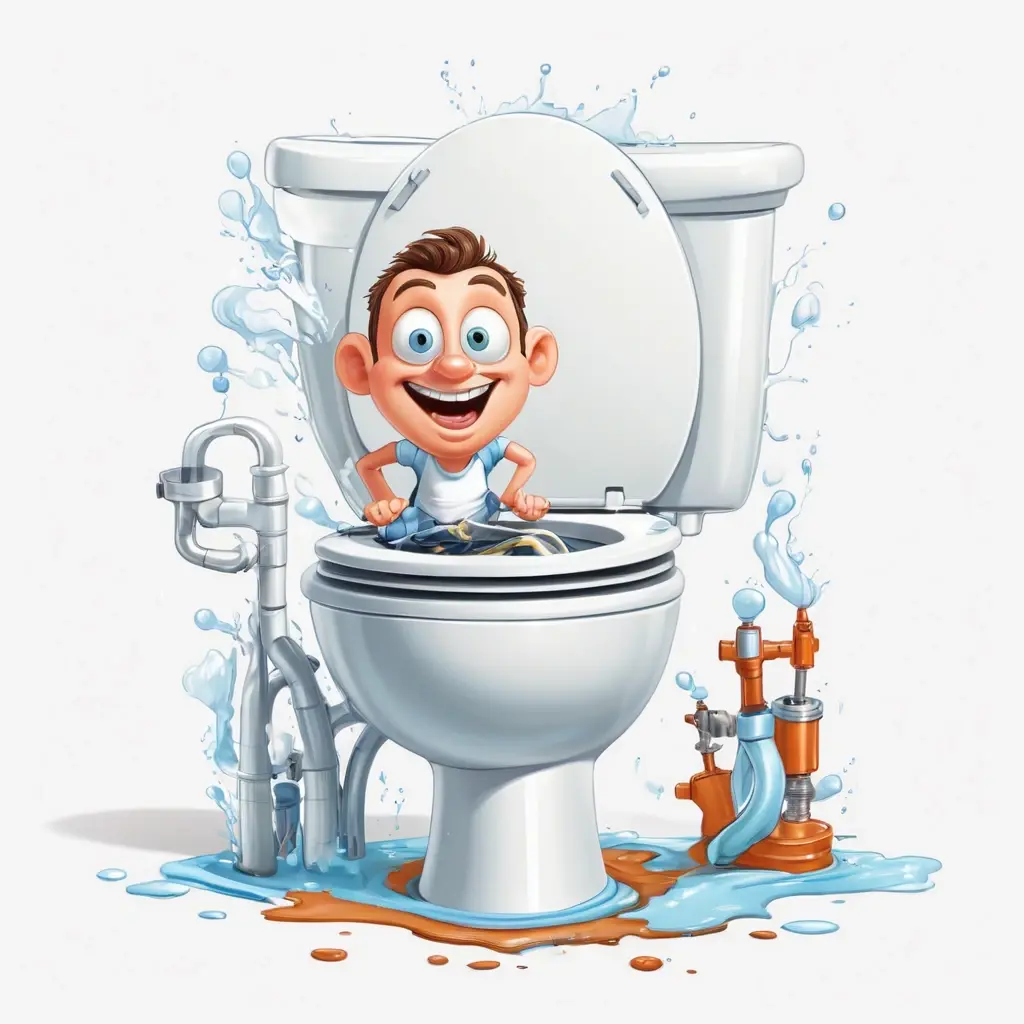
A running toilet is more than just a nuisance; it can waste a significant amount of water—up to 200 gallons per day, according to the Environmental Protection Agency. Typically, a toilet runs due to issues with its internal components, most commonly the flapper, fill valve, or float mechanism. When these parts malfunction, water continuously leaks from the tank into the bowl or overflows, leading to increased water bills and unnecessary environmental waste.
Identifying the cause is the first step. Sometimes, the problem is straightforward, like a worn-out flapper, which fails to create a seal, causing water to leak out. Other times, the fill valve may be adjusting improperly, or debris might be blocking the overflow tube. Understanding these common issues can help you select the right fix quickly, saving you both water and time.
Quick and Effective DIY Fixes for a Running Toilet
1. Replacing the Flapper
The most common cause of a running toilet is a faulty flapper. The flapper is a rubber valve that seals the tank and releases water into the bowl during flushing. Over time, it can become cracked, warped, or coated with mineral deposits.
To replace the flapper:
- Turn off the water supply to the toilet.
- Flush the toilet to drain the tank.
- Remove the old flapper by unhooking it from the flush tower.
- Install the new flapper, ensuring it seats properly on the flush valve seat.
- Turn the water supply back on and test for proper operation.
This simple step can usually resolve a leaking or constantly running toilet quickly, costing only a few dollars for the replacement parts.
2. Adjusting or Replacing the Fill Valve
If your toilet runs constantly, it might be due to an improperly adjusted or malfunctioning fill valve. The fill valve controls the water level in the tank, and if it’s set too high or too low, water may continuously trickle into the overflow tube.
To fix this:
- Turn off the water supply and drain the tank.
- Locate the fill valve (usually a plastic or rubber cylinder on the left side inside the tank).
- Adjust the height or float arm according to manufacturer instructions—generally, you want the water level about 1 inch below the overflow tube opening.
- If the fill valve is old or broken, replace it entirely with a new one, following the manufacturer’s instructions.
Replacing the fill valve can be a quick fix and significantly reduce water wastage.
3. Clearing the Overflow Tube and Debris
Sometimes, debris or mineral buildup can block the overflow tube, causing the water level to rise and spill over, which triggers the fill cycle repeatedly. Inspect the overflow tube, usually a large vertical pipe at the center of the tank.
Steps to clear it:
- Turn off the water supply and flush the toilet.
- Use a screwdriver or a pipe cleaner to gently clear any debris.
- Check that the water level stays below the top of the overflow tube after refilling.
Regularly maintaining the overflow tube can prevent minor clogs from turning into major water-wasting issues.
Other Tips to Enhance Toilet Efficiency
Consider Installing a Water-Saving Toilet
If your toilet is old and prone to leaks, investing in a modern, low-flow toilet can reduce water consumption by up to 60%. Many models now feature dual-flush systems, allowing you to choose between a full or partial flush depending on the need.
Routine Maintenance for Longevity and Efficiency
Checking the internal components periodically ensures that minor issues don’t turn into costly repairs. Use a vinegar solution to descale mineral deposits, and replace worn parts promptly. Small efforts can lead to significant savings over time.
Author’s Advice and Final Thoughts
In my experience, most running toilets can be fixed in under 15 minutes with basic tools and inexpensive parts. Don’t wait for a water bill shock—address issues promptly! Regular maintenance can prevent most problems, saving you both time and money while helping conserve our precious water resources.
A running toilet is more than an annoyance; it’s an unnecessary environmental burden and a costly mistake. The good news is that with simple DIY fixes, you can restore your toilet’s efficiency quickly, saving water and time. Keeping an eye on internal components and performing routine maintenance will extend the lifespan of your bathroom fixtures and promote responsible water use.
Remember, whenever in doubt, consulting a plumber is advisable, especially for complex issues or persistent problems. But for most minor leaks and adjustments, these quick fixes will serve you well in maintaining a well-functioning, water-efficient toilet.
Q1: How do I know if my toilet is leaking or running?
A1: You can perform a simple dye test by adding a few drops of food coloring into the tank. If color appears in the bowl after 15-20 minutes without flushing, your toilet is leaking or running.
Q2: Can a running toilet increase my water bill significantly?
A2: Yes. A toilet running continuously can waste up to 200 gallons of water daily, which can add hundreds of dollars annually to your water bill depending on your usage rates.
Q3: How often should I check or replace toilet parts to prevent issues?
A3: It’s advisable to inspect and replace internal components like the flapper or fill valve every 1-2 years, especially if your toilet is older or shows signs of leaking. Regular maintenance helps avoid major repairs.
Q4: Are there eco-friendly alternatives to fix a leaking toilet?
A4: Using environmentally friendly sealants or biodegradable toilet repair parts can make fixes safer for the environment. Also, upgrading to modern water-saving toilets reduces overall water consumption.