

Understanding the Basics of Meal Prep
Meal prepping is the art of preparing your meals in advance to save time, maintain a healthy diet, and reduce daily stress about what to cook. Whether you’re a busy professional, a parent balancing family life, or someone just starting out in the kitchen, understanding the fundamentals is crucial.
At its core, effective meal prep involves selecting recipes, shopping efficiently, meal packaging, and storage. Proper planning ensures that you minimize food waste and maximize the nutritional value of your prepared meals. Additionally, establishing a routine makes the process more manageable and less overwhelming, especially for beginners.
Essential Tools and Equipment for Successful Meal Prep
Basic Equipment
- Meal prep containers: Invest in high-quality, microwave-safe containers that are leak-proof and stackable for easy storage.
- Sharp knives and cutting boards: Safe, sharp instruments reduce prep time and improve precision.
- Cookware: Stock pots, sauté pans, and baking sheets tailored to your preferred recipes.
- Measuring cups and spoons: Accurate measurements ensure balanced nutrition and flavors.
Additional Helpful Items
- Food storage labels and markers: Keep track of meal dates and contents.
- Food processor or blender: For quick chopping or smoothies.
- Slow cooker or Instant Pot: For effortless one-pot meals and batch cooking.
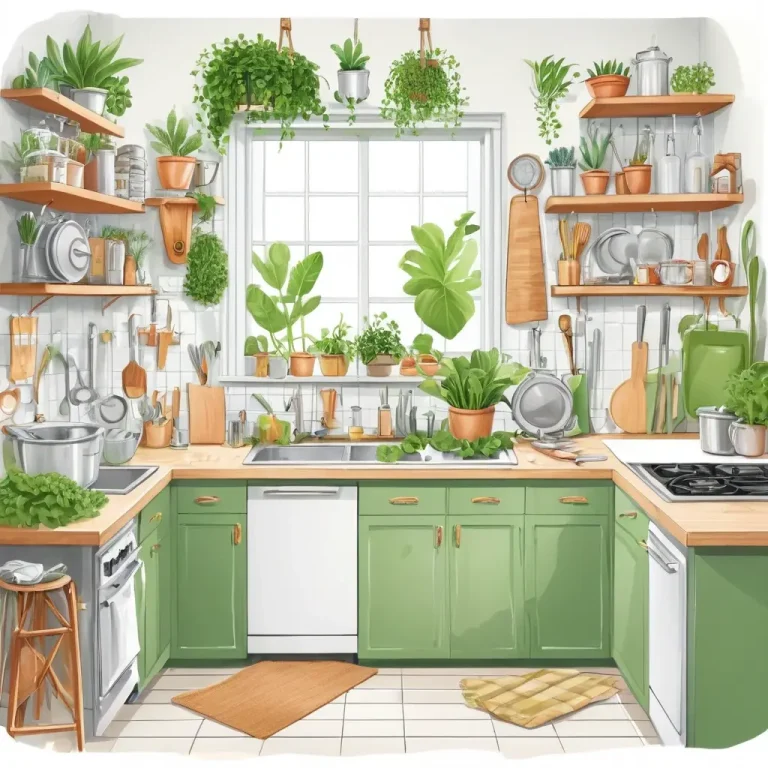
Having these tools readily available streamlines the prep process and reduces time spent in the kitchen. Even with minimal equipment, you can achieve impressive results by focusing on proper planning and technique.
Planning Your Meal Prep Strategy
Step 1: Choose the Right Recipes
Focus on recipes that are versatile, easy to store, and nutritionally balanced. Popular options include grilled chicken with roasted vegetables, quinoa salads, overnight oats, or casseroles. Incorporate a mix of protein, carbs, and healthy fats to ensure complete meals.
When selecting recipes, consider your weekly schedule and dietary preferences. For example, if you have time on Sundays, plan larger batch meals for the week. Use visual aids like recipe charts or meal plan templates to organize your choices effectively.
Step 2: Create a Shopping List & Budget
Based on your chosen recipes, compile a comprehensive shopping list. Organize it by categories such as produce, proteins, grains, and spices to streamline shopping. Setting a budget helps prevent overspending and encourages mindful purchasing, especially when buying in bulk.
Statistics show that meal prepping can reduce grocery bills by up to 20% by avoiding impulse purchases and takeout. Use apps or printable lists to keep track of your shopping essentials and sales opportunities.
Step 3: Schedule and Batch Cooking
Dedicate a specific day and time for meal prep—often Sunday or a weekend morning. Batch cooking involves preparing multiple ingredients or entire meals at once, which saves significant time during busy weekdays.
Use visual aids like timelines or checklists to ensure you stay on track. Organize your workspace efficiently—set up stations for chopping, cooking, assembling, and storing to enhance workflow.
Step-by-Step Meal Preparation for Beginners and Pros
Beginner Tips
Start small with simple recipes like roasted veggies with grilled chicken or pasta salads. Focus on mastering basic techniques such as chopping, roasting, and baking. Remember to keep your workspace tidy to prevent accidents and confusion.
Here’s a helpful tip: Cook in bulk and portion out meals into individual containers. Label each container with the date and contents for easy identification and rotation.
Advanced Techniques for Skilled Meal Preppers
For more seasoned meal preppers, experiment with complex recipes like homemade soups, stews, or layered salads. Utilize versatile cooking methods like sous-vide or multi-step preparations to add variety.
Visual aids such as color-coded containers or detailed recipe diagrams can assist in balancing flavors and presentation. Incorporate meal prep planning apps that provide step-by-step guidance and nutrition tracking.
Presentation and Storage Tips
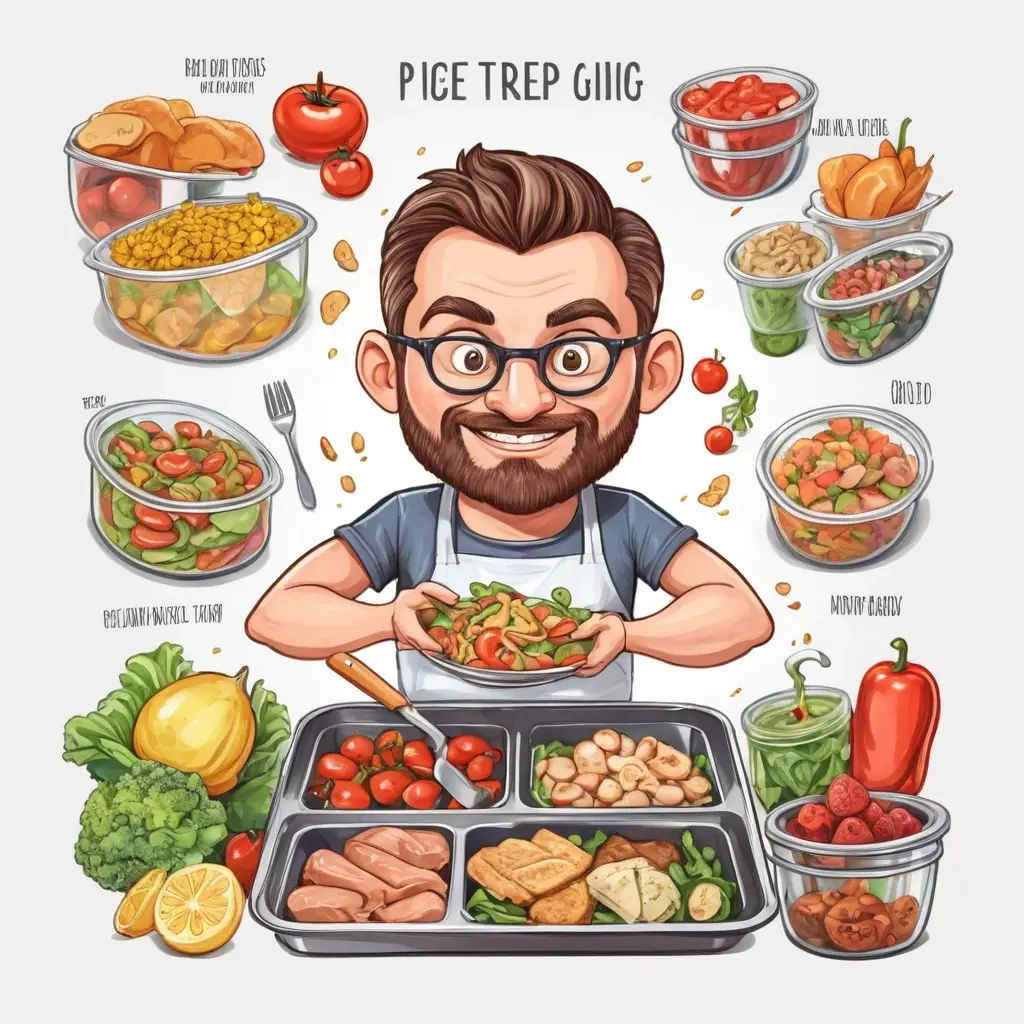
Presentation enhances the appeal of your prepped meals, making them more tempting to eat. Use colorful vegetables and arrange meals neatly in containers. Consider portion sizes that suit your calorie goals—typically, a balanced meal contains around 300-500 calories.
Proper storage is essential for food safety and freshness. Store meals in the refrigerator for up to 4 days or freeze for longer periods. Use airtight containers to prevent freezer burn and maintain flavor.
As an opinion, I recommend investing in clear containers with compartments—they help keep ingredients separate and look visually appealing, increasing motivation to eat healthy food prepared at home.
Tips for Maintaining a Consistent Meal Prep Routine
- Set reminders and block specific times during the week for meal prep sessions.
- Start with small steps—prepare just 2-3 meals initially and scale up as you gain confidence.
- Maintain variety to prevent boredom—try new recipes or rotate ingredients regularly.
- Track your progress and adjust your meal plans based on what works best for your lifestyle.
Conclusion
Mastering the art of meal prep is a rewarding journey that can dramatically improve your diet, save time, and foster healthier habits. Whether you’re a beginner or an experienced home chef, focusing on proper planning, organization, and presentation can elevate your meal prep game. Remember, consistency is key—start small, use visual aids to stay organized, and gradually incorporate more complex recipes. With patience and practice, meal prepping will become an enjoyable routine that transforms your approach to eating and living well.
Remember:
“Meal prep is not about perfection but about creating a sustainable routine that fits your life and helps you enjoy nutritious, delicious meals every day.”
Q1: How can I start meal prepping if I have a busy schedule?
A: Begin with simple recipes that require minimal preparation. Dedicate a few hours on a less busy day to batch cook, and prepare meals in advance. Use visual planning tools to stay organized and streamline your routine.
Q2: What are the best containers for meal prep?
A: Look for BPA-free, microwave-safe, leak-proof containers that are stackable and durable. Clear containers help you see the contents easily and stay motivated.
Q3: How long can I store prepped meals safely?
A: Most meals can be stored in the refrigerator for up to 4 days. If you want to keep meals longer, freeze them for 1-3 months. Always label containers with the date to prevent spoilage.
Q4: How can I avoid food boredom with meal prep?
A: Rotate recipes weekly, incorporate seasonal produce, and experiment with spices and herbs. Diversifying ingredients and flavors keeps your meals exciting and enjoyable.
Q5: What are some common mistakes to avoid in meal prepping?
A: Overloading containers without leaving space for expansion during freezing, not labeling meals, and preparing overly complex recipes that are hard to repeat regularly. Start simple and gradually increase complexity as you gain confidence.