


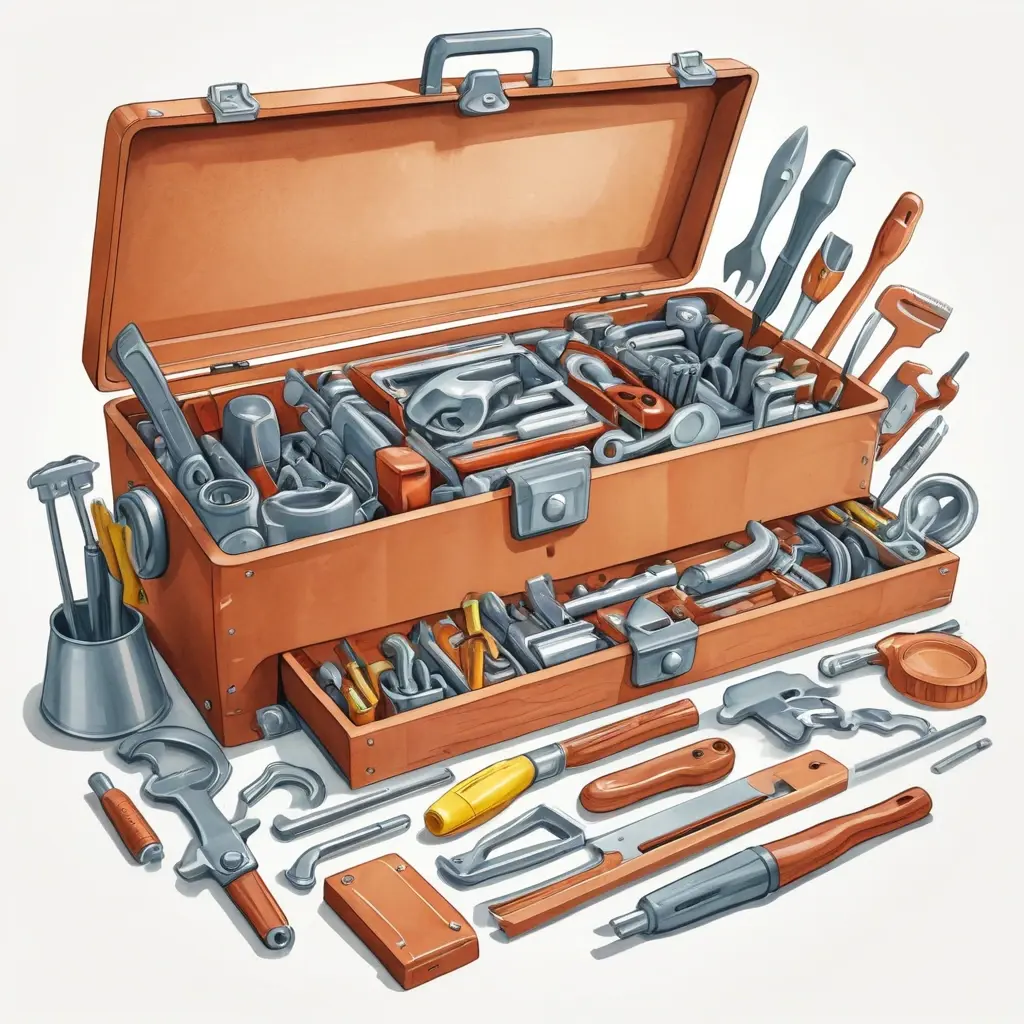
Creating a Versatile Toolbox on a Budget
Understanding the Importance of a Well-Equipped Toolbox
A versatile toolbox is essential for tackling a wide range of repair, renovation, and DIY projects. Whether you’re a homeowner, hobbyist, or professional, having the right tools ensures efficiency, safety, and quality results. Building such a toolbox doesn’t require a fortune; it’s about choosing the right tools and materials that offer durability without breaking the bank.
Statistics show that a typical homeowner only uses a handful of tools regularly, but having a complete, adaptable set allows for unexpected repairs and creative projects. The key is to prioritize multi-purpose tools and reliable brands that balance cost with quality.
Setting Your Budget and Planning
The first step in building a versatile toolbox is determining your budget. Decide how much you can invest initially and plan for future upgrades. A good starting point is allocating around $100-$200 for essential tools, then adding specialized instruments over time.
List the tasks you perform most often—such as fixing furniture, hanging pictures, or minor plumbing—and identify the tools you’ll need. Planning prevents unnecessary purchases and helps you focus on versatile, multi-use tools that can handle various jobs.
Essential Tools for a Versatile Toolbox
Hand Tools
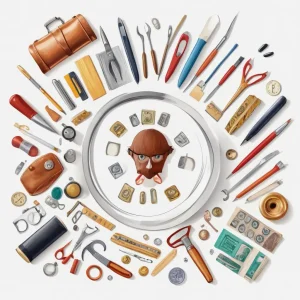
Building a foundation of hand tools is crucial. Focus on high-quality yet affordable options, as these will be used frequently and must withstand regular use. Essential hand tools include:
- Claw Hammer: For driving and removing nails. Opt for a 16 oz hammer with a sturdy fibreglass handle for durability.
- Screwdriver Set: A set containing Phillips and flat-head screwdrivers in various sizes can handle most screw types.
- Pliers: Combination pliers, needle-nose, andSlip-joint pliers are versatile for gripping, bending, and cutting.
- Measuring Tools: A tape measure (25-30 ft for versatility), a speed square, and a level are basics that support precise work.
Power Tools and Accessories
While hand tools cover many needs, power tools significantly increase productivity and scope. Budget-friendly brands now offer reliable options, making their inclusion feasible even on tight budgets.
- Cordless Drill: A 12V or 20V drill with a set of drill bits can handle drilling, screwing, and light demolition tasks.
- Jigsaw: For curved cuts in wood, plastics, or thin metals. Look for models with variable speed for better control.
- Sander: An orbital sander simplifies finishing projects like furniture restoration. Choose a budget-friendly yet dependable brand.
Materials and Consumables
A well-stocked toolbox requires quality materials for daily use and repairs. Invest in:
- Screws and Nails: Various sizes and types (wood, drywall, masonry). Bulk packs are cost-effective.
- Adhesives: Multipurpose glue, wood glue, and epoxy for different materials and tasks.
- Safety Gear: Safety glasses, work gloves, and dust masks protect you during projects. These are inexpensive but vital.
Strategies for Cost-Effective Purchasing
To maximize your budget without sacrificing quality, consider shopping during sales, using coupons, and buying generic or store brands. Many retailers offer starter toolkits that include the basics at a reduced cost.
Online reviews and community recommendations are invaluable; they reveal cost-effective, durable brands often overlooked in brick-and-mortar stores. Additionally, buy used tools from garage sales or online marketplaces—many second-hand tools are still in excellent condition and offer significant savings.
Maintenance and Longevity
A quality toolbox isn’t just about initial investments but also about maintaining your tools. Keep hand tools clean, oil moving parts, and store everything properly to prolong lifespan. Using protective cases and organizing tools methodically can prevent damage and loss.
Author’s opinion: “Investing in good-quality essential tools pays off in the long run. They last longer, perform better, and save you money on replacements.”
Building Your Toolbox Step-by-Step
Start with the essentials, then gradually add specialized or higher-quality items as your needs grow. Keep an inventory list to track your tools and identify gaps. As you gain experience, you’ll better understand which tools are indispensable and which you can do without.
Remember, versatility in a toolbox means selecting tools that can be adapted for multiple tasks, such as a cordless drill that can be used with various attachments or a multi-tool knife for cuts and prying.
Conclusion
Constructing a versatile, budget-friendly toolbox is a smart investment that empowers you to handle diverse projects confidently. Focus on essential hand tools, reliable power tools, quality materials, and strategic shopping. With patience and planning, you can assemble a comprehensive toolkit that balances affordability with durability. This approach ensures you’re prepared for everyday repairs and inspiring DIY adventures, all without straining your finances.
Q1: What are the must-have tools for starting a versatile toolbox on a budget?
A1: Essential tools include a claw hammer, screwdriver set, pliers, measuring tape, a cordless drill, and a jigsaw, along with basic safety gear and quality fasteners.
Q2: How can I ensure the tools I buy are both affordable and durable?
A2: Look for reputable budget-friendly brands with good reviews, consider buying used tools, shop during sales, and prioritize versatile tools that serve multiple functions.
Q3: What maintenance tips help extend the lifespan of my tools?
A3: Keep tools clean and dry, oil moving parts regularly, store them properly in organized containers, and inspect tools periodically for wear or damage.
Q4: How do I plan my purchases to build a versatile toolbox efficiently?
A4: Start with essential, multi-purpose tools within your budget, then gradually add specialized tools as needed, using lists and research to avoid unnecessary spending.
Q5: Are there any common mistakes to avoid when assembling a budget-friendly toolbox?
A5: Yes, avoid buying low-quality tools that may break easily, neglect proper maintenance, and overspending on niche tools that you rarely use. Focus on versatility and durability.