



Enhancing Your Home’s Lighting with DIY Fixtures and Strategic Placement
Lighting plays a pivotal role in creating a warm, inviting, and functional living space. Proper illumination can transform a dull room into an energizing environment, or a cozy nook into a relaxing retreat. With some simple DIY fixtures and thoughtful placement strategies, you can dramatically improve your home’s lighting without the need for costly professional installations.
In this guide, we’ll explore practical ways to upgrade your lighting using easy-to-make fixtures and clever positioning. Whether you’re on a tight budget or simply enjoy hands-on projects, these ideas will help you optimize your space for both style and practicality.
DIY Lighting Fixtures: Simple Projects for Brightening Your Home
Creating Custom Pendant Lights
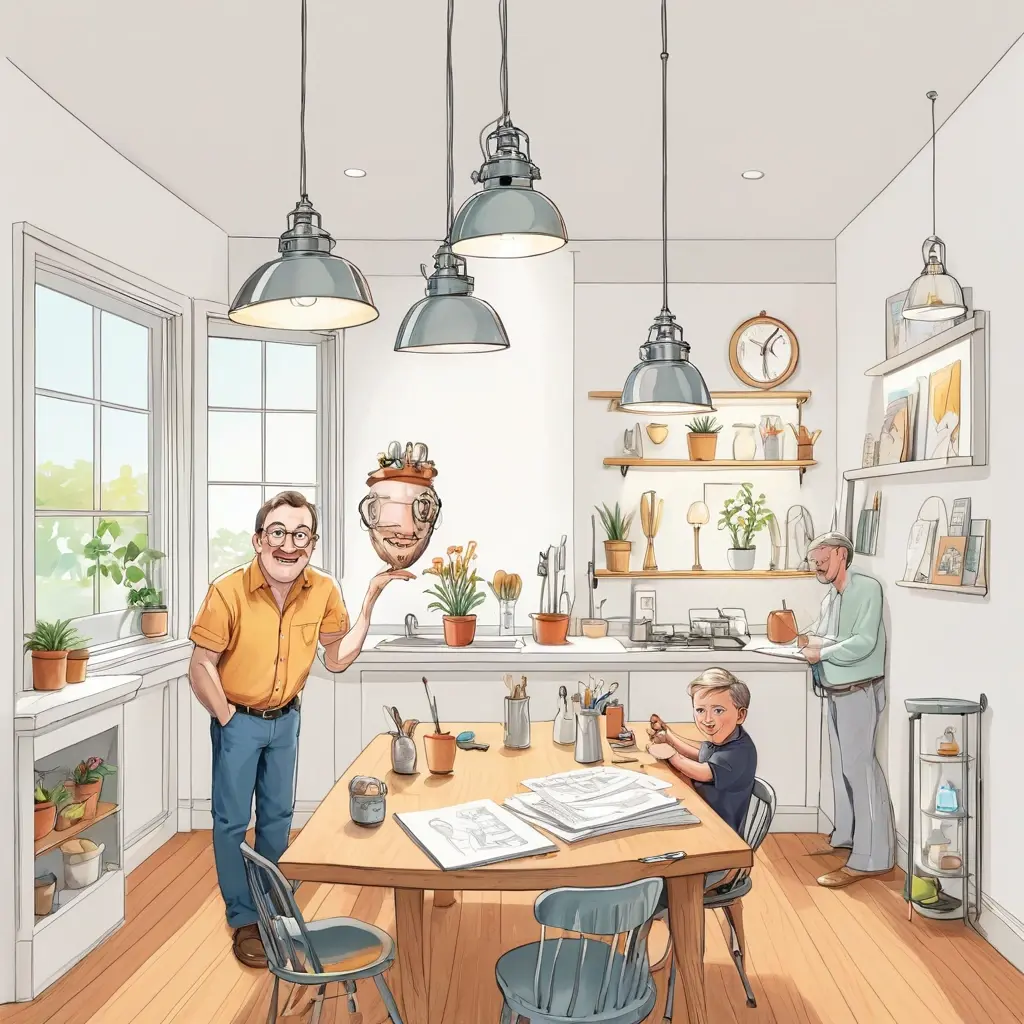
Pendant lights are excellent for focused lighting in dining areas, kitchens, or reading nooks. You can craft your own using everyday materials like jars, baskets, or even colanders. For example, a wire basket can be transformed into an industrial-style pendant by adding a bulb and a cord. This project requires minimal tools — just a drill and some basic wiring know-how.
Pro tip: Use energy-efficient LED bulbs inside your DIY fixtures. They last longer, produce less heat, and consume less electricity, providing sustainable lighting solutions that save you money over time.
Repurposing Items into Unique Light Fixtures
Repurposing items like mason jars, tin cans, or old wine bottles into lamps is both eco-friendly and stylish. For instance, stacking mason jars with fairy lights inside creates a whimsical pendant or table lamp. These fixtures can be wired with inexpensive light kits available at hardware stores, making DIY projects accessible and inexpensive.
Author’s advice: Personalizing your fixtures adds character to your home. Don’t hesitate to experiment with colors, textures, or even painting your jars for a custom look.
Installing Wall Sconces with Readily Available Materials
Wall sconces are perfect for accent or task lighting in hallways, bedrooms, or living rooms. You can craft DIY sconces using wooden planks, pipes, or even vintage finds. Mounting them with simple brackets and adding cord sets or plug-in fixtures is straightforward. This approach avoids complex electrical work, making it suitable for DIY enthusiasts.
Smart Placement Ideas for Maximum Effectiveness
Layer Your Lighting for Depth and Flexibility
Layered lighting combines ambient, task, and accent lights to create a balanced environment. For example, use ceiling fixtures for general illumination, table lamps for reading, and wall sconces for ambiance. This strategy allows flexibility—dimming certain lights can change the mood instantly.
Statistics reveal that rooms with layered lighting are up to 30% more inviting and functional. Proper placement ensures each light complements the other, avoiding harsh shadows or overly bright spots.
Prioritize Natural Light and Enhance It with Fixtures
Maximizing natural daylight is key. Place mirrors opposite windows to reflect light and make spaces feel brighter. Supplement natural light with strategically placed fixtures—e.g., under-cabinet lighting in kitchens or picture lights over artwork enhances visual interest and brightness.
Use Smart Placement for Specific Rooms
- Living Rooms: Corner lamps or multi-directional fixtures create a cozy, well-lit environment.
- Bedrooms: Bedside lamps on both sides offer convenience, while overhead fixtures with dimmers add ambiance.
- Kitchens: Under-cabinet lighting improves task visibility, while pendant fixtures above islands banish shadows.
15 Tips for Effective Home Lighting
- Combine different types of lighting for layered effects.
- Use dimmers to control light intensity and adapt to mood or activity.
- Choose LED bulbs for energy efficiency and longevity.
- Incorporate reflective surfaces like mirrors and glossed furniture to amplify light.
- Plan fixture placement before installation to avoid shadows and dark corners.
- Opt for warm white light (2700K-3000K) in living spaces for a cozy feel.
- Incorporate task lighting where specific activities occur, such as reading or cooking.
- Mix fixtures at different heights for visual interest and utility.
- Let natural light shine during the day to save energy and boost mood.
- Install swing arm lamps for adaptable reading lights.
- Use colored or decorative bulbs to add personality and ambiance.
- Maintain fixtures regularly to ensure safety and optimal performance.
- DIY fixtures can be painted or customized to match your decor style.
- Utilize smart lighting systems for remote control and automation.
- Don’t forget outdoor lighting—solar pathway lights or DIY lanterns can boost curb appeal and safety.
Conclusion
Improving your home’s lighting doesn’t have to involve expensive renovations or professional installation. With creative DIY fixtures and strategic placement, you can transform every room into a brighter, more inviting space. Remember, good lighting enhances mood, increases functionality, and even saves energy when used wisely. Start small—create a custom pendant, add some DIY accent lights, and experiment with placement—and watch your home come alive with newfound brightness and style.
“Lighting is not just about illumination; it’s about enhancing your living experience and expressing your personal style. With a few DIY projects and smart placement, you can achieve both effortlessly.”
Q1: What are some easy DIY lighting projects for beginners?
A1: Beginners can start with making mason jar lamps, repurposing cans into pendant fixtures, or creating wall sconces using simple brackets and customizable materials. These projects require minimal tools and basic wiring knowledge.
Q2: How can I optimize natural light in my home?
A2: Maximize natural light by using mirrors opposite windows, installing light-colored or reflective surfaces, and keeping window treatments light and unobstructed. Combining natural light with well-placed fixtures can significantly enhance brightness.
Q3: Are smart lighting systems worth the investment?
A3: Absolutely. Smart lighting systems offer remote control, scheduling, and dimming features, which improve convenience and energy efficiency. They allow you to customize lighting scenes for different moods or activities effortlessly.
Q4: How do I ensure safety when installing DIY fixtures?
A4: Always turn off power before wiring, use proper insulation and safety equipment, follow manufacturer instructions for light kits, and if unsure, consult a certified electrician. Safety should always be a priority in any electrical project.