

Reimagine Used Shipping Pallets as Stylish Bookshelves and Room Dividers
The Rise of Upcycling and Sustainable Interior Design
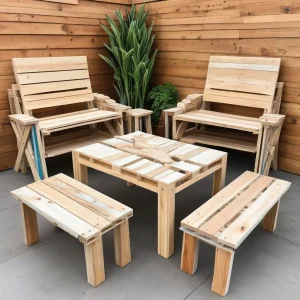
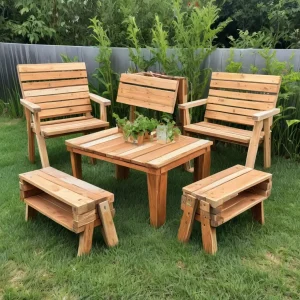
In recent years, sustainable living and eco-conscious design have gained significant momentum. Homeowners and interior designers are increasingly seeking ways to reduce waste and incorporate recycled materials into their decor. Shipping pallets, once considered waste, are now celebrated for their versatility and charm in creating unique furniture pieces. Upcycling shipping pallets not only minimizes environmental impact but also results in one-of-a-kind, budget-friendly decor items.
Statistics show that upcycling furniture can reduce landfill waste and carbon footprints while offering customizable design options. According to a 2022 report, the global upcycling market is expected to reach over $20 billion by 2027, reflecting its growing popularity. Shipping pallets, with their sturdy wooden structure, are ideal candidates for transformation into functional art pieces like bookshelves and room dividers.
Why Use Shipping Pallets for Creating Bookshelves and Room Dividers?
Shipping pallets are typically made from durable softwood or hardwood, designed to withstand heavy loads during transport. This robust construction makes them perfect for creating shelving units that can hold a variety of items, from books to decorative accents. Their modular nature allows for easy customization—stacking, slicing, or connecting pallets can produce different configurations suited to various spaces.
Another advantage is affordability. Pallets are usually available for free or at low cost from shipping companies, warehouses, and retail establishments. Their rustic aesthetic also adds a natural, industrial charm that can complement various interior styles—from modern minimalist to vintage rustic decor. These qualities make pallets an attractive upcycling option for eco-conscious DIY enthusiasts and professional designers alike.
Steps to Reimagine Shipping Pallets as Bookshelves and Room Dividers
1. Disassembly and Surface Preparation
- Carefully disassemble pallets if needed, removing nails and splinters.
- Sand all surfaces thoroughly to eliminate rough edges and splinters, ensuring safety and a smooth finish.
- Consider treating the wood with eco-friendly sealants or paints to enhance durability and aesthetics.
2. Design and Planning
- Decide on the structure—should it be a tall bookshelf, a low console, or a freestanding room divider?
- Create sketches or digital designs to plan dimensions and arrangements—stacked, staggered, or connected pallets.
- Incorporate functional features like shelves, back panels, or decorative cutouts.
3. Assembly and Construction
- Secure pallets together using heavy-duty screws, nails, or brackets for stability.
- Reinforce joints with metal brackets or corner braces, especially for larger or freestanding structures.
- Adjust the assembly process based on your design—consider adding wheels for mobility or back panels for privacy.
4. Finishing Touches
- Apply paint, stain, or varnish to match your interior theme.
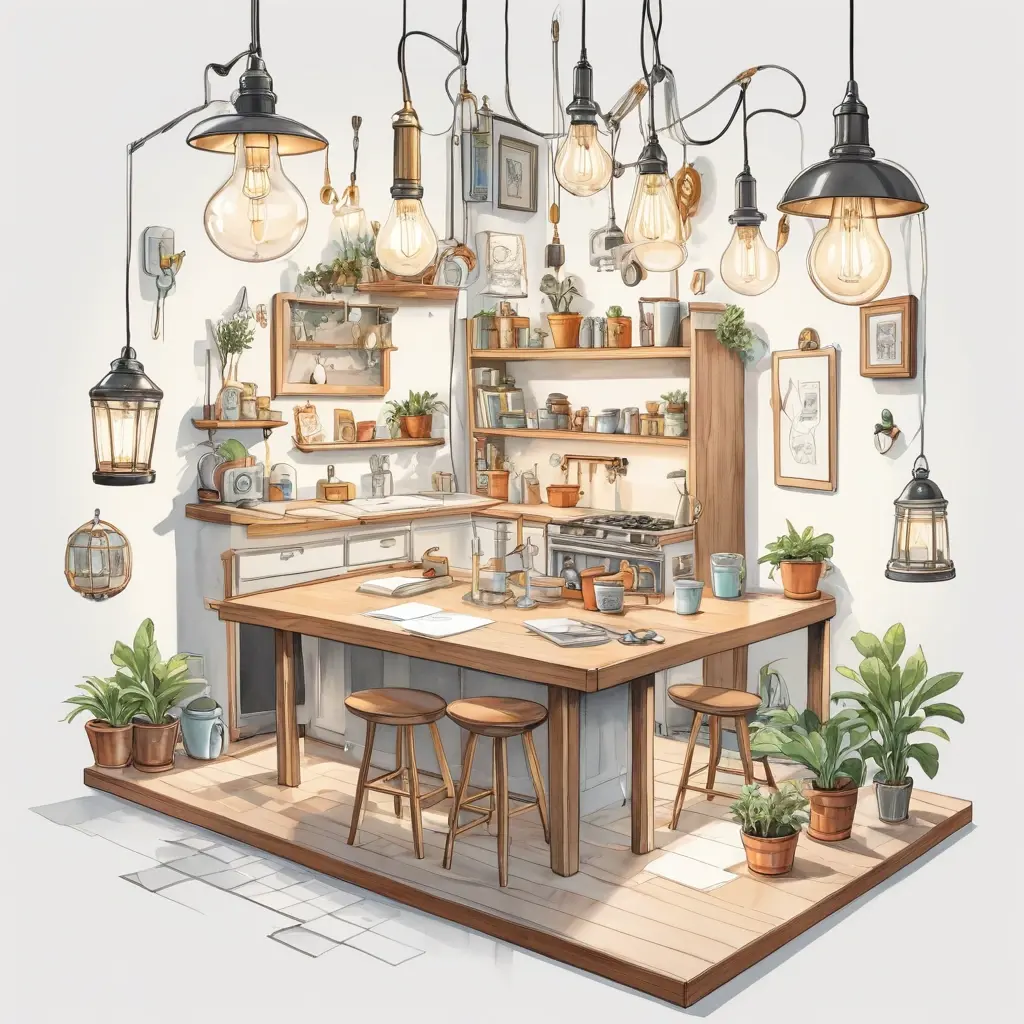
- Add decorative elements such as lighting, plants, or artwork to enhance visual appeal.
- Place the finished piece in your chosen spot and organize your books, decor, or room separation elements.
Creative Examples and Designs
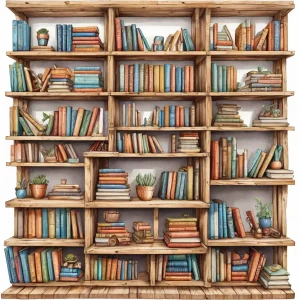
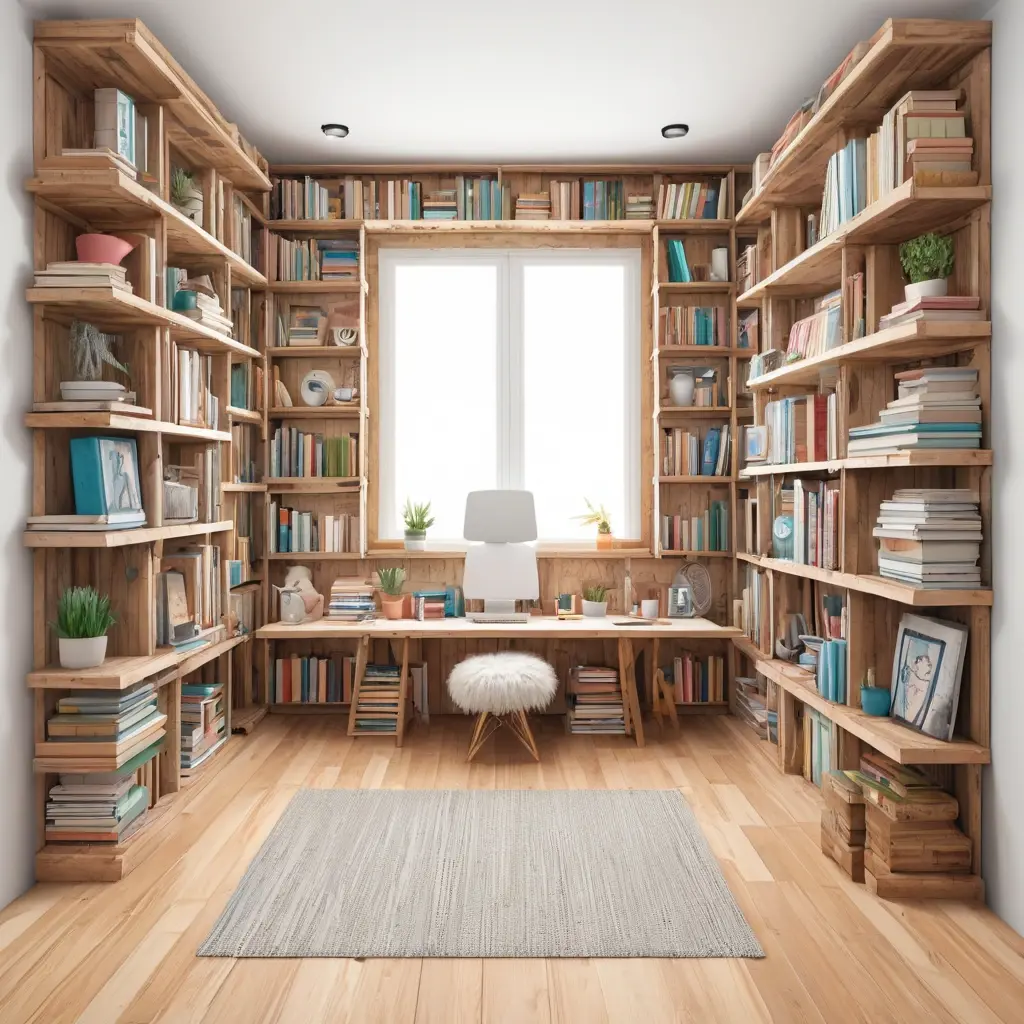
Imagine a vibrant, multilevel bookshelf constructed from stacked pallets with various compartments for books, plants, and collectibles. Or, visualize a sleek room divider made from horizontally connected pallets with cutout patterns allowing light to filter through, creating a semi-private space in an open-plan living area.
Some homeowners even embed LED strip lights into pallet shelves for a modern, illuminated effect. Others opt for a painted or stained finish to match their interior palette, transforming the rustic wood into a seamless part of their decor.
Author’s Advice: My Personal Opinion on Pallet Furniture
Investing time in reimagining used shipping pallets as furniture not only saves money but also promotes sustainability. The process encourages creativity and adds a distinct personal touch to your home. Remember, safety first—always ensure that your pallets are thoroughly cleaned and treated before working with them. With patience and imagination, a simple pallet can become a statement piece in your interior design.
Benefits of Using Reclaimed Pallets in Your Home
- Eco-Friendly: Reduces waste and promotes sustainable living.
- Cost-Effective: An affordable alternative to commercial furniture.
- Unique Aesthetic: Adds rustic charm and industrial style.
- Customizable: Design to fit your space and taste.
- Durable and Strong: Capable of holding significant weight and enduring everyday use.
Conclusion
Reimagining used shipping pallets as stylish bookshelves and room dividers offers a blend of sustainability, creativity, and functionality. Whether you’re an experienced DIYer or a novice looking to add a personal touch to your space, pallets provide a versatile canvas for your design ideas. From minimalist modern to rustic farmhouse, the options are endless. Embrace the challenge, get creative, and transform discarded materials into beautiful, practical furniture that tells a story—your story.
Q1: Are shipping pallets safe to use for furniture?
A1: Yes, but it’s essential to choose pallets that haven’t been treated with harmful chemicals like arsenic or pesticides. Proper cleaning, sanding, and treatment are necessary to ensure safety.
Q2: How can I customize my pallet bookshelf to match my decor?
A2: You can paint or stain the wood, add decorative elements like lighting or plants, and alter the structure’s layout to suit your style and functional needs.
Q3: What tools do I need to build a pallet bookshelf or room divider?
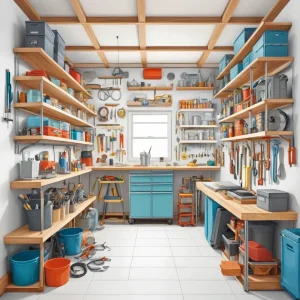
A3: Basic tools include a saw, drill, screwdriver, sandpaper or power sander, measuring tape, and safety gear such as gloves and goggles.
Q4: How do I ensure stability when creating a room divider with pallets?
A4: Secure the pallets together with strong fasteners, add reinforcement supports, and consider anchoring the structure to the wall if necessary for extra stability.