
Must-Have Tools and Materials for Creative Crafts: What Works Best and What to Save On
Introduction to Essential Craft Tools
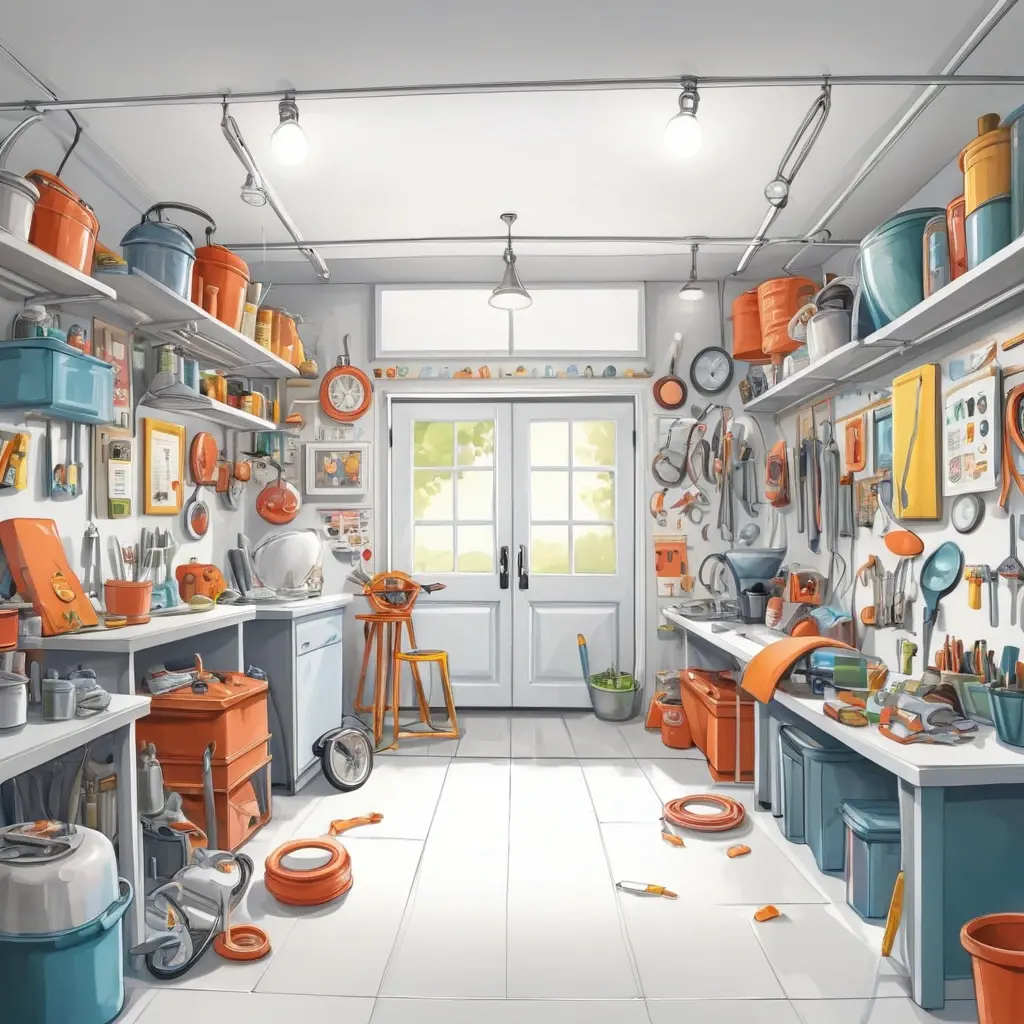
A well-equipped craft space begins with choosing the right tools. While it might be tempting to buy every gadget available, focusing on versatile and high-quality essentials will streamline your projects and improve results. The key is to strike a balance between quality and cost, investing in items that are durable and user-friendly, while sparing on less critical accessories.
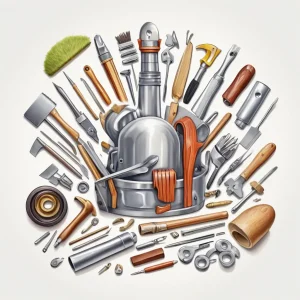
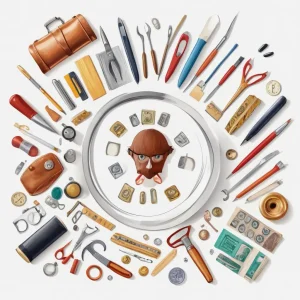
Basic tools such as scissors, cutting mats, measuring tapes, and adhesives are universal across many craft types. Quality scissors, in particular, make a noticeable difference—they stay sharp longer and provide cleaner cuts. Budget options can suffice for occasional use, but frequent crafters benefit from investing in reliable, ergonomic tools that reduce hand fatigue.
Core Materials for Popular Craft Styles
Different crafts require specific materials, but some inclusions are universally valuable. For example, paper crafts thrive on diverse papers, adhesives, and cutting devices. Textile-based crafts need fabrics, sewing notions, and possibly dyeing supplies. When selecting materials, it’s important to consider both durability and aesthetic outcome. Investing in high-quality paints or fabrics can elevate your work, making it more professional-looking, while cheaper versions might save money upfront but compromise the finished product.
Here are some core materials categorized by craft style:
| Craft Type | Must-Have Materials | Saving Tips |
|---|---|---|
| Paper Craft | Quality cardstock, precision scissors, double-sided tape, craft knives | Buy bulk packs of common papers; opt for generic adhesives |
| Textile Crafts | Fabrics, sewing needles, scissors, pin cushions, thread | Choose versatile fabrics like cotton; sew on sale or buy remnants |
| Painting and Mixed Media | Acrylic paints, brushes, palettes, stencils | Invest in a few good brushes; buy paints in larger tubes for savings |
Tools Worth Investing In
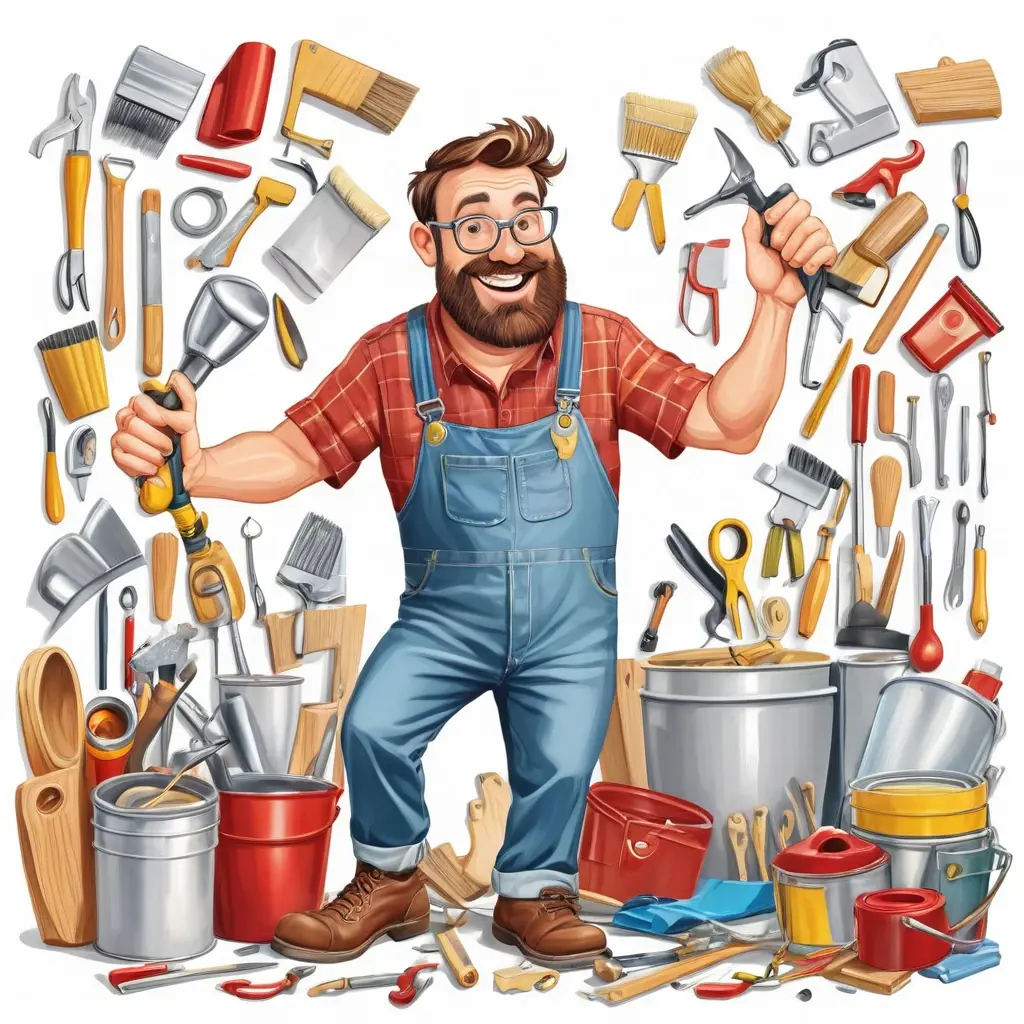
Certain tools justifies the upfront spend because they significantly impact project quality and ease. A high-quality craft knife with replaceable blades enables precise cuts and lasts longer than cheaper options. A good heat gun for embossing or applying embellishments ensures consistent results. Similarly, a sturdy cutting mat prevents damage to surfaces and provides clean cutting lines, which is vital for professional-looking projects.
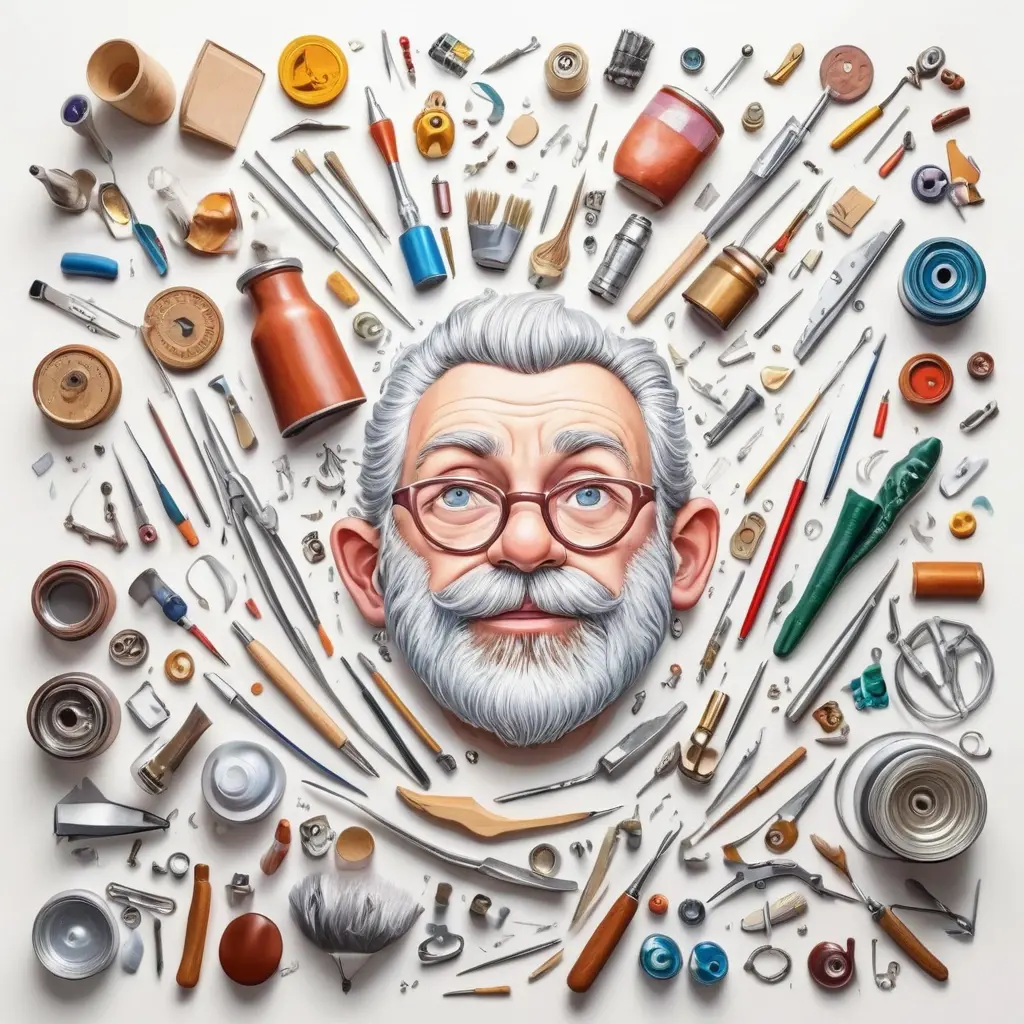
For intricate work, investing in finer tools like detail brushes or precision pliers can make challenging tasks more manageable. Though initially more costly, these tools often pay for themselves by reducing material waste and increasing the quality of finished pieces.
What to Save On: Budget-Friendly Alternatives
Not every tool or material needs to be top-of-the-line. For beginner crafters or hobbyists with a limited budget, selecting affordable options for non-critical tools is a smart choice. For instance, inexpensive set of basic paintbrushes can suffice for initial experiments—upgrading later as skills progress.
Similarly, generic or store-brand adhesives often perform well enough for simple projects, allowing you to allocate funds toward more essential or durable items. Reusing or repurposing household materials, like cardboard or leftover fabrics, can also cut costs and inspire creativity.
Some crafting communities highlight the value of second-hand or refurbished equipment, which can dramatically lower costs without sacrificing quality. For example, a used die-cutting machine in good condition can be found at a fraction of the original price, providing professional results without breaking the bank.
Specialized Tools for Specific Crafts
Depending on your craft niche, specialized tools can greatly enhance the experience and quality. For jewelry making, for instance, investing in pliers, wire cutters, and bead organizers is essential. For quilting, rotary cutters and acrylic rulers become indispensable. Knowing what tools are genuinely necessary versus optional can save money and space.
**Author’s Advice:**
– Prioritize high-quality staples that you will use frequently and will last for years.
– Save on trendy or specialty tools that may only be used once or twice; instead, borrow or buy second-hand when possible.
– Focus on making your workspace ergonomic and organized to maximize efficiency and comfort during creation.
Conclusion
Creating stunning crafts doesn’t mean you need to splurge on every tool and material available. By understanding which items truly elevate your projects and which ones are expendable, you can develop a balanced, efficient toolkit that fosters creativity without overspending. Investing in durable, versatile tools will pay off in the long run, while strategic savings on consumables and less critical items will keep your hobby affordable and enjoyable. Remember, the key is to start with the essentials, upgrade gradually, and leverage cost-effective options for experimentation and learning. Happy creating!
Question 1: What are the most important tools to invest in for beginner crafters?
Answer: Beginners should prioritize a good pair of scissors, a cutting mat, reliable adhesives, and basic sewing or painting supplies. These essentials lay a solid foundation for most crafts.
Question 2: How can I save money on craft materials without compromising quality?
Answer: Buying in bulk, choosing versatile or universal materials, and shopping during sales or using second-hand shops can significantly cut costs while maintaining good quality.
Question 3: Are professional-grade tools worth the extra expense?
Answer: For frequent or high-quality projects, investing in professional tools pays off through durability and improved results. For casual projects, budget-friendly options often suffice.
Question 4: What materials are worth splurging on?
Answer: High-quality paints, durable fabrics, and fine brushes tend to make a noticeable difference in the finish and longevity of your crafts.
Question 5: How do I know when to upgrade my craft tools?
Answer: Upgrade when your current tools show signs of wear, or when your projects demand higher precision and better results, and always consider the long-term value of investing in quality.