

Introduction
Repurposing worn-out furniture is an excellent way to breathe new life into your space while reducing waste and saving money. Instead of discarding furniture that has seen better days, you can transform it into stylish and functional storage solutions that add character and utility to any room. With a bit of creativity, some basic tools, and a keen eye for design, you can turn old pieces into statement items that enhance your home decor.
Statistics show that up to 80% of furniture items discarded annually could be repurposed instead of thrown away, highlighting the environmental impact of reuse and renovation. This approach not only benefits the environment but also allows for personalized, unique interior design that reflects your style.
Assessing and Preparing Your Furniture
Evaluate the Condition
Start by thoroughly inspecting the furniture piece. Look for structural integrity, presence of wood rot, rust, or extensive damage. If the frame is sturdy, it can often be salvaged with minimal repairs. For more compromised items, consider whether it’s worth the effort or if parts can be repurposed individually.
Cleaning and Sanding
Before beginning your transformation, clean the furniture thoroughly to remove dirt, grime, and old finishes. Sanding is crucial to eliminate peeling paint or varnish, providing a smooth surface for painting or staining. Use medium-grit sandpaper and finish with fine grit for a polished look.
Design Ideas for Repurposing Old Furniture
Turn an Old Dresser into a Vertical Garden
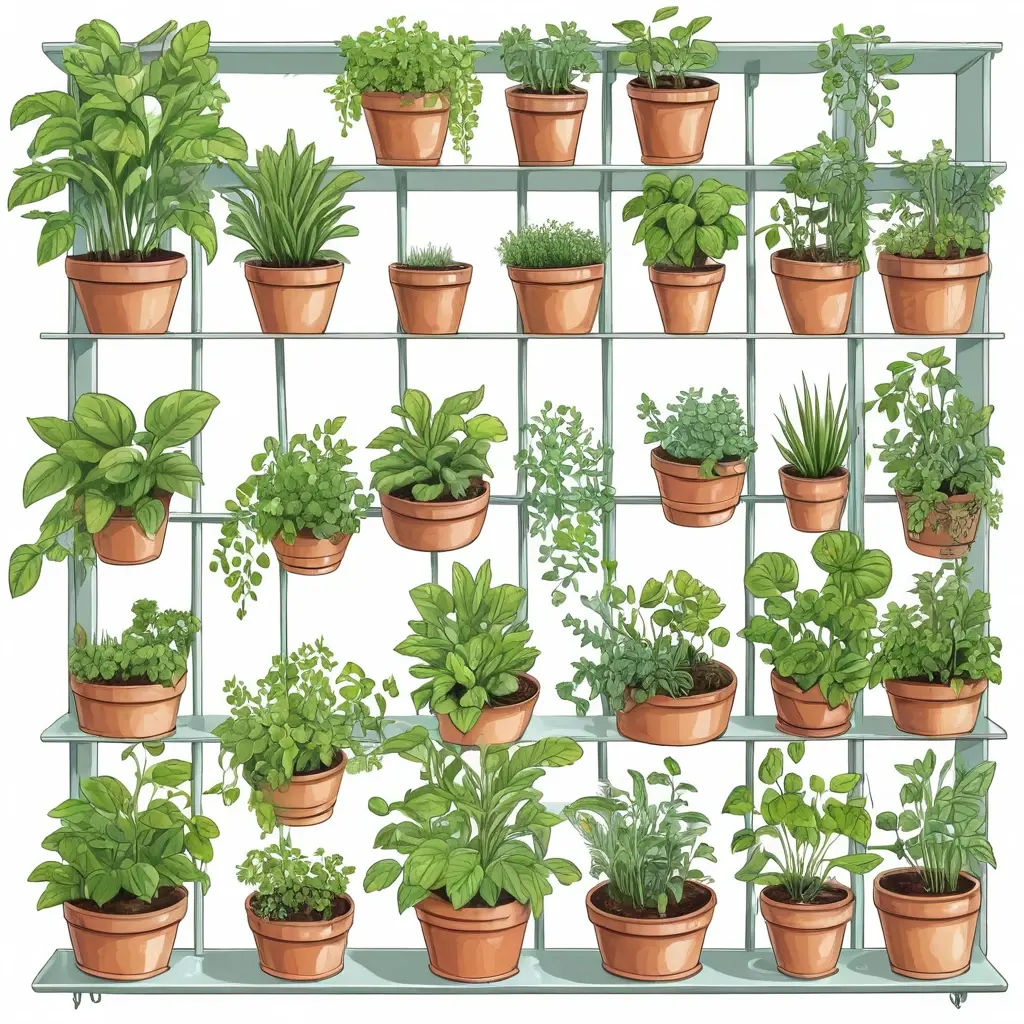
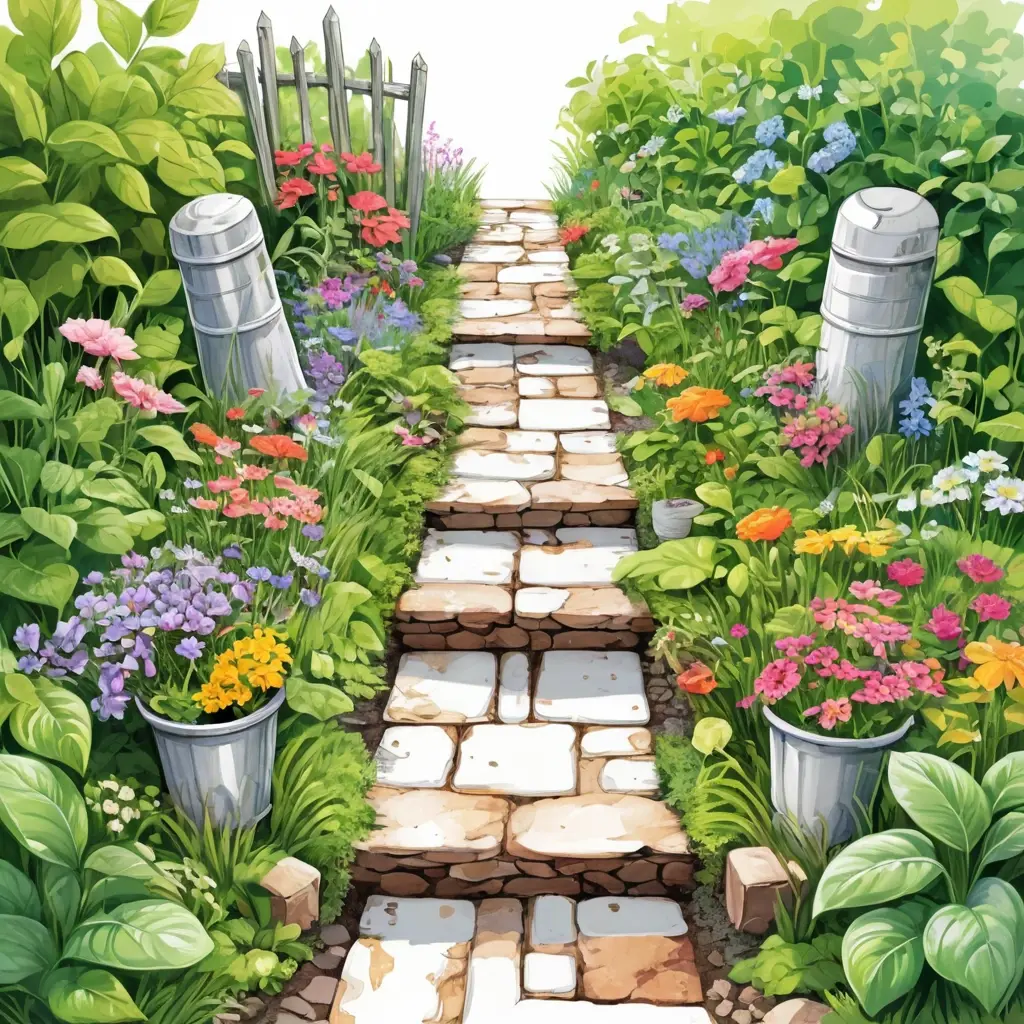
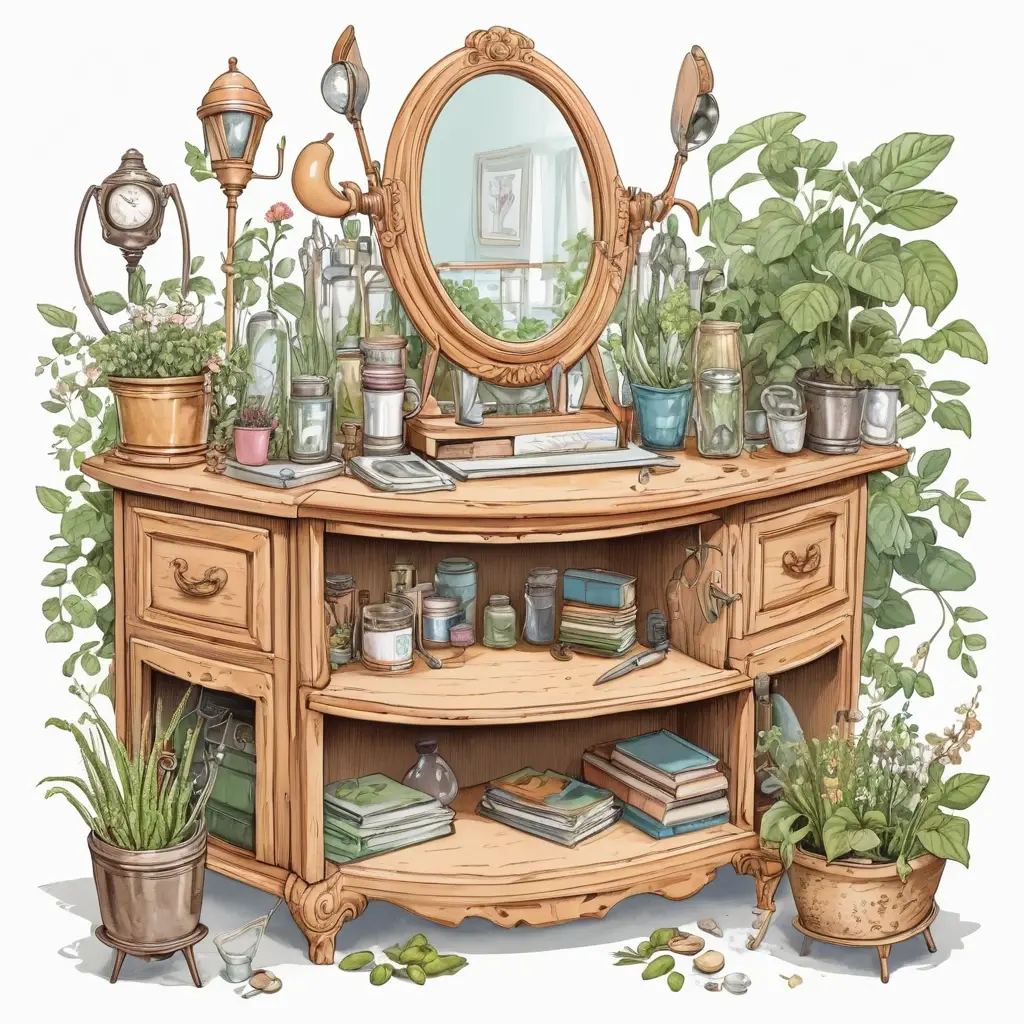
Old dressers, especially those with multiple drawers, are perfect for creating compact indoor or outdoor planters. Remove the drawers, add drainage holes, and line them with waterproof material. Arrange your favorite plants in each compartment, turning a worn-out dresser into a lush vertical garden that beautifies your patio or kitchen.
This idea maximizes space and adds greenery indoors, enhancing air quality and decor aesthetics.
Convert a Sewing Cabinet into a Coffee Bar or Mini Bar
Sewing cabinets often feature hidden storage and charming vintage appeal. Remove the top section if necessary, and add shelves or racks inside for bottles, glasses, or coffee supplies. Decorate the exterior with paint or decoupage to match your style, creating a unique mini bar or coffee station.
Repurpose Old Cabinets or Sideboards as Storage Benches or Entryway Organizers
Refurbish large cabinets or sideboards by sanding and painting them in modern hues. Add cushions on top to transform into seating, and utilize internal shelves for shoes, umbrellas, or seasonal decorations. These versatile pieces combine functionality with aesthetic appeal, ideal for entryways or hallways.
Step-by-Step Guide to Repurposing Furniture
| Step | Description |
|---|---|
| 1. Choose the right piece | Select furniture with a sturdy frame and aesthetic potential suitable for your desired project. |
| 2. Design your concept | Plan how you want to transform it, including color schemes, new functions, and layout. |
| 3. Prepare the surface | Clean, sand, and repair any damages for a smooth base. |
| 4. Paint, stain, or finish | Apply your chosen finish, allowing adequate drying time between coats. |
| 5. Add hardware or accessories | Replace handles, add hooks, or decorative features to enhance functionality and style. |
| 6. Final assembly and placement | Assemble all parts, add protective finishes if necessary, and position your new storage solution. |
Materials and Tools Needed
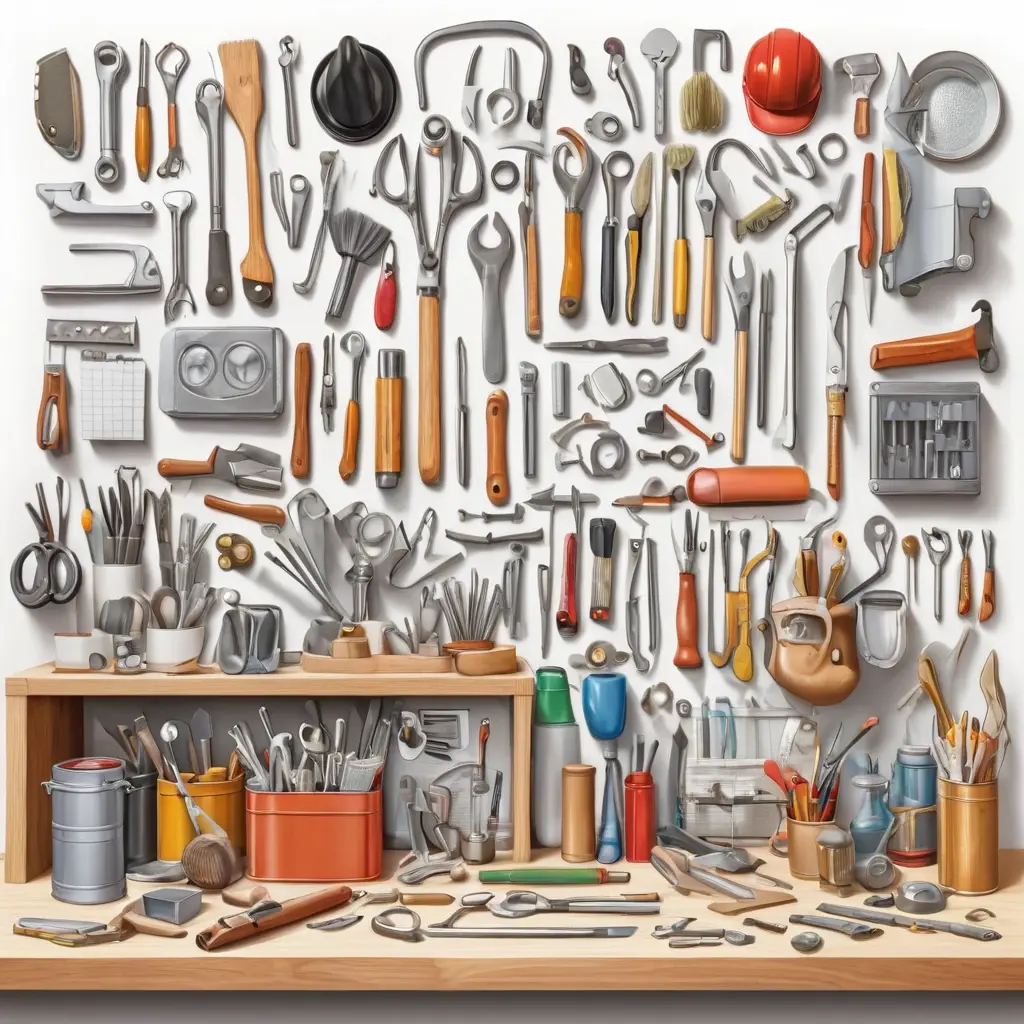
- Sandpaper (coarse and fine grit)
- Paint, stain, or varnish
- Brushes and rollers
- New hardware (handles, knobs, hooks)
- Waterproof lining or liners (for planters)
- Power drill, screwdriver
- Carpentry glue and clamps (if needed)
Tips for Success
Always test your paint or stain on a small, inconspicuous area first to see how it reacts with your furniture. Additionally, consider the original material—wood, metal, or plastic—as different surfaces require tailored approaches. Don’t rush the drying process, as proper curing ensures durability and a polished finish.
Patience combined with creativity is key. Remember, each piece has its own story; embracing imperfections can add charisma to your revamped furniture. As a personal opinion, I recommend leaning into the vintage charm—sometimes, it’s the distressed paint or visible repairs that make your piece uniquely yours.
Environmental and Cost Benefits
Repurposing furniture significantly reduces waste sent to landfills, supporting sustainability efforts. According to environmental studies, up to 15 million tons of furniture waste annually contributes to landfill overflow. By breathing new life into worn-out items, you decrease demand for new production, reducing resource consumption.
Financially, small DIY projects can save hundreds of dollars. Instead of purchasing new storage units, you use existing furniture, often with minimal investment in paint and hardware. This eco-friendly approach is not only budget-conscious but also deeply rewarding for those who enjoy creative hands-on projects.
Final Thoughts and Inspiration
With a bit of ingenuity and effort, your worn-out furniture can be transformed into eye-catching, highly functional storage solutions. Not only does this process promote sustainability, but it also allows you to personalize your home decor creatively. Whether you turn an old wardrobe into a chic vanity or a vintage trunk into a coffee table with storage, the possibilities are endless.
Remember, the beauty of repurposing lies in its imperfections and history. Let your imagination guide you, and don’t be afraid to experiment with colors, finishes, and configurations. After all, a well-loved piece can shine anew with just a little TLC and a creative touch.
Conclusion
Repurposing worn-out furniture is a practical, eco-friendly, and stylish way to maximize your space while expressing your personality. From turning an old cabinet into a charming entryway organizer to transforming a dilapidated dresser into a lush vertical garden, there are countless possibilities to explore. By following simple steps, using the right materials, and embracing your creative instincts, you can create unique storage solutions that add character and functionality to your home. Start your project today and enjoy the satisfaction of transforming the old into something truly beautiful and useful!
Q1: Is it difficult to repurpose old furniture if I have no carpentry experience?
A1: Not at all. Many simple projects like painting or adding new hardware require minimal skills. For more complex repairs, online tutorials and DIY guides can be very helpful. Start with straightforward projects to build confidence.
Q2: What are some common best practices for painting vintage furniture?
A2: Always clean the surface thoroughly before painting, sand lightly to promote adhesion, use primer if painting over dark or uneven surfaces, and apply multiple thin coats for a smooth finish. Finish with a protective sealant for durability.
Q3: How do I choose the right hardware for my repurposed furniture?
A3: Select hardware that complements your design style—modern, vintage, or rustic. Consider the functionality needed as well; sturdy handles or hooks are essential for storage pieces. Measure existing holes carefully before purchasing replacements.
Q4: Can I repurpose furniture for outdoor use?
A4: Yes, but choose weather-resistant materials or apply protective finishes like outdoor paint or sealants. Regular maintenance, such as reapplying sealant, prolongs the lifespan of outdoor furniture repurposed pieces.