


Transform Your Garden with Easy DIY Pathways Using Recycled Materials
Creating a charming garden pathway doesn’t have to require expensive materials or professional expertise. With a bit of creativity and eco-conscious choices, you can craft beautiful, functional pathways from recycled items that add character to your outdoor space. Whether you want a rustic stone look or a modern geometric pattern, upcycling existing resources makes your project both cost-effective and environmentally friendly.
Recycled materials such as broken tiles, glass bottles, old bricks, and wood pallets are excellent options that can be repurposed into stunning pathways. By embracing these, you reduce waste and give new life to materials that might otherwise end up in landfills. Plus, many recycled items add unique textures and colors that traditional pavers cannot match, making your garden pathways truly one-of-a-kind.
Choosing the Right Recycled Materials for Your Garden Path
Common Recycled Materials Suitable for Pathways
- Broken Tiles and Crockery: These create colorful, mosaic-like paths and are perfect for small, intricate designs.
- Glass Bottles and Jars: When cut and embedded, they add a vibrant, translucent touch, especially attractive in sunlight.
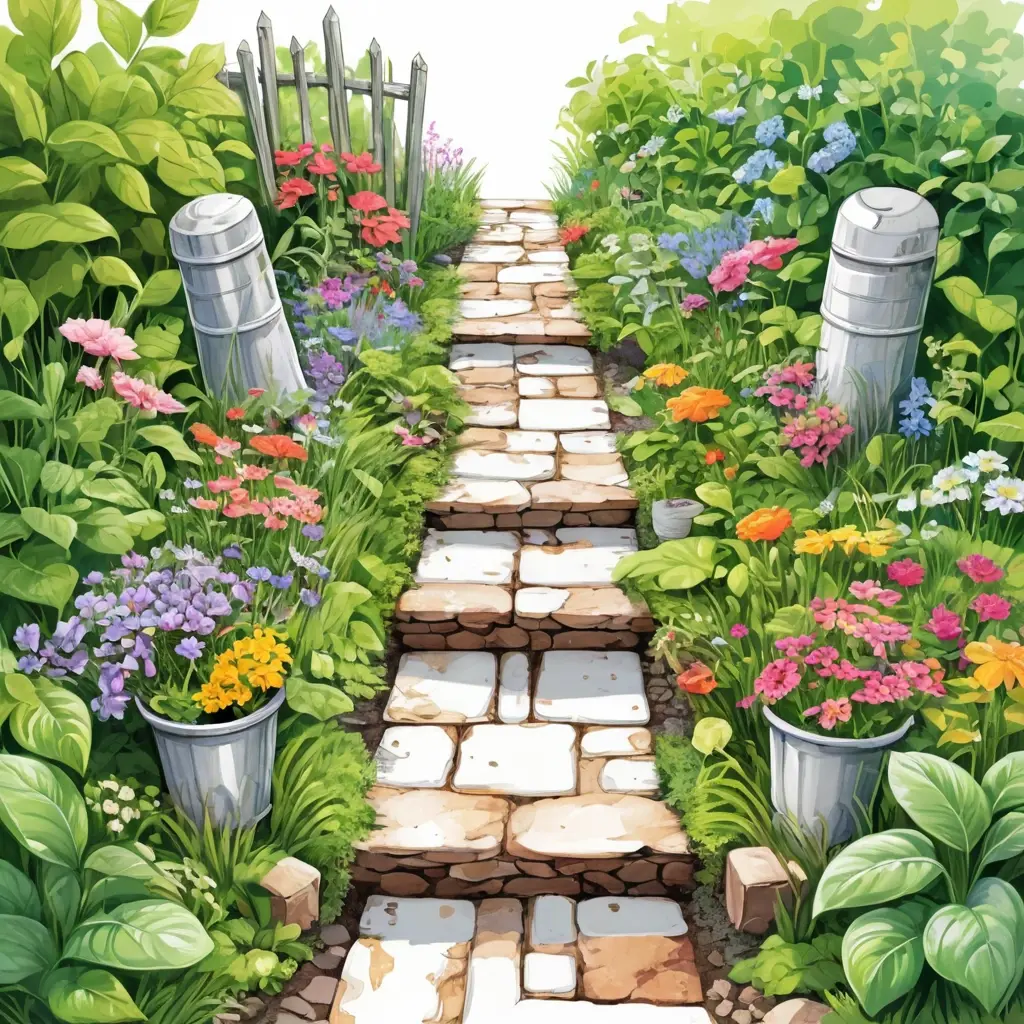
- Old Bricks andConcrete Blocks: Durable and classic, these provide a rustic or urban feel depending on placement.
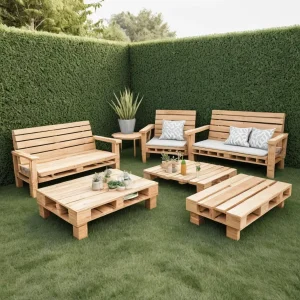
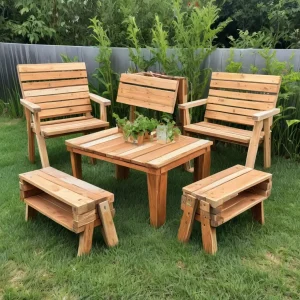
- Reclaimed Wood Pallets: Ideal for stepping stones or border edging, adding warmth and natural charm.
- Scrap Metal and Wire: Perfect for decorative borders or fencing along the pathway edges.
How to Source Recycled Materials
Start by checking local salvage yards, waste centers, or online marketplaces for free or inexpensive recycled items. Community groups often host “freecycle” events where residents exchange unwanted materials. It’s also worth asking neighbors or friends if they have leftover building supplies from renovations. Remember to clean and inspect all items before use to ensure safety and longevity.
Designing Stylish Patterns with Recycled Materials
Create Eye-Catching Patterns
Mixing different materials and shapes can produce stunning visual effects. For example, laying mosaic tiles in a spiral or concentric circles can turn a mundane path into a piece of art. Combining contrasting colors—like blue bottles with earthy bricks—further elevates the aesthetic appeal.
Using symmetry or asymmetry depends on your preferred style. Symmetrical layouts impart order and elegance, while asymmetrical arrangements evoke a natural, whimsical vibe. Incorporate planting beds or decorative elements along the edge to enhance the overall look.
Popular Pattern Ideas
| Pattern | Description | Materials Recommended |
|---|---|---|
| Mosaic | Broken tiles or crockery arranged in intricate designs. | Colorful ceramics, glass pieces. |
| Herringbone | Interlocking bricks or flat stones in a zigzag pattern. | Old bricks, concrete pavers. |
| Stepping Stones | Dispersed flat stones or wooden slices for a natural look. | Reclaimed wood, large stones. |
| Border Accents | Decorative edging using glass bottles or scrap metal. | Bottles, metal scraps. |
Step-by-Step Guide to Building Your Recycled Material Path
- Plan Your Layout: Sketch your desired pathway, considering width, curvature, and integration with garden features.
- Gather Materials: Collect your chosen recycled items, ensuring they are clean and safe for use.
- Prepare the Base: Excavate the pathway area, removing grass and debris. Lay a compacted layer of gravel or sand to stabilize the foundation.
- Arrange Materials: Place your recycled items following your chosen pattern, adjusting for fit and visual balance.
- Secure and Finish: For materials like loose tiles or stones, use mortar or sand to secure them in place. For wooden or larger items, simply position and tamp down.
- Plant and Decorate: Add plants or decorative elements along the edges to soften the look and create harmony.
Author’s Opinion and Tips
“Using recycled materials not only reduces waste but also lets your creativity shine. I recommend mixing textures and colors to create surprising visual effects. Patience and planning are key—take your time to experiment with patterns and arrangements until you find a look that feels right for your garden. Remember, a DIY pathway should reflect your personality and style. It’s about transforming humble recycled items into a stunning outdoor feature that you’ll enjoy for years.”
Maintaining Your Recycled Material Pathway
Maintaining your eco-friendly pathway involves occasional cleaning to remove dirt and moss, especially if using natural stones or wood. Check for loose or damaged elements periodically, re-securing them as needed. Applying a sealant to glass or ceramic mosaics can increase durability, while wooden components benefit from weatherproofing products. Proper maintenance keeps your pathway looking fresh and ensures safety for all visitors.
Benefits of Using Recycled Materials for Garden Pathways
- Environmental Impact: Reduces waste and lowers demand for new raw materials.
- Cost-Effective: Makes use of free or inexpensive materials, saving money.
- Unique Aesthetic: Custom patterns and variety of textures enhance your garden’s charm.
- Personal Satisfaction: Completing a DIY project boosts confidence and pride.
Conclusion
Creating a beautiful garden pathway using recycled materials combines sustainability with style. With a little planning, creativity, and effort, you can craft pathways that are not only functional but also serve as a focal point of your garden design. Experimenting with different patterns and materials allows you to express your personality while contributing positively to the environment. Remember, the best pathways evolve from patience and imagination—so dive into your project with enthusiasm, and enjoy transforming your outdoor space into a personalized haven.
Q1: Are recycled materials durable enough for outdoor garden pathways?
A1: Yes, many recycled materials like bricks, glass, and concrete are durable when properly prepared and installed. Sealing or Weatherproofing can prolong their lifespan.
Q2: How safe are pathways made from recycled glass bottles or crockery?
A2: When cut and embedded correctly, glass bottles and crockery can be safe for pathways. It’s essential to smooth all edges and use a strong adhesive or mortar to secure them firmly.
Q3: What are some creative pattern ideas for recycled material pathways?
A3: Popular options include mosaic designs, herringbone patterns with bricks, natural stepping stones with varied shapes, and decorative borders using bottles or metal scraps.
Q4: Can I combine multiple recycled materials in one pathway?
A4: Absolutely! Mixing materials like ceramic tiles, glass, and reclaimed wood can create a unique, eclectic look. Just ensure they are compatible and securely installed.
Q5: What tips do you have for beginners starting this project?
A5: Start with a simple design, gather a variety of materials beforehand, and take your time arranging pieces before fixing them. Patience and planning are key to a successful DIY pathway.