



Introduction: The Benefits of a Well-Organized Closet
A cluttered closet can make mornings stressful and hinder your daily routine. An organized closet not only saves time but also helps you see your wardrobe clearly, making it easier to choose outfits and maintain your clothing. According to a survey, 80% of people feel more relaxed in a tidy space, and a well-organized closet can lead to increased productivity and mental clarity. In this guide, we’ll walk you through simple, step-by-step methods to transform your cluttered closet into an efficient sanctuary.
Step 1: Empty Your Closet and Sort Your Items
Before you start organizing, remove everything from your closet. This gives you a clean slate and allows you to assess what you truly need. Lay out all items on your bed or on a large surface, and start categorizing them into groups such as clothing, shoes, accessories, and miscellaneous items.
Create three piles:
– Keep: Items you love, wear regularly, or still fit.
– Donate: Clothes still in good condition but no longer needed.
– Discard: Worn-out, damaged, or stained items.
This process can be eye-opening; many people find they only wear 20% of their wardrobe regularly. Removing unnecessary items frees up space and makes future organization much easier.
Step 2: Clean and Prepare Your Closet Space
Once the clutter is removed, give your closet a thorough cleaning. Dust shelves, vacuum the floor, and wipe down surfaces. This ensures a fresh environment for your organized items and helps prevent dust buildup.
Consider adding storage solutions like clear bins, drawer dividers, or adjustable shelves at this stage. Labeling bins for seasonal clothing or accessories can streamline future access. The goal is to create a space that is easy to maintain and visually appealing.
Step 3: Plan Your Organization System
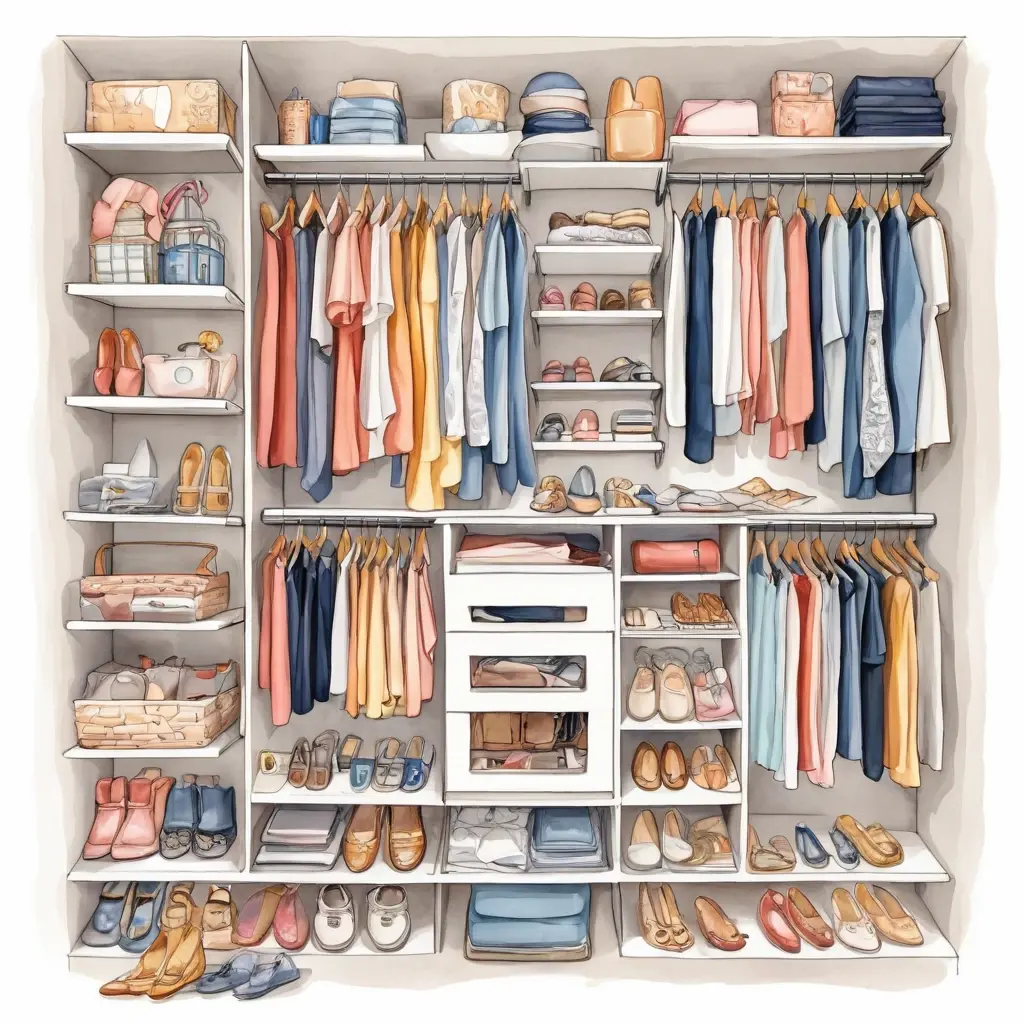
Every closet is unique, so choose an organization system that suits your needs. Think about whether hanging, folding, or stacking works best for your clothing types.
Some popular approaches include:
– **By Item Type:** T-shirts, blouses, pants, skirts grouped together.
– **By Color:** Arranging pieces from light to dark for a visually pleasing look.
– **By Frequency of Use:** Placing everyday items at eye level, seasonal or rarely worn items higher or lower.
Here are common storage options:
– Hanging rods with adjustable heights
– Stackable bins and shelves
– Drawer dividers for small items
Incorporate these ideas based on your wardrobe and available space to create an efficient, personalized system.
Step 4: Use Step-by-Step Photos for Visual Guidance
Visual aids significantly enhance understanding, especially for beginners. Include photos showing:
– Fully emptied closet
– Sorting process with piles labeled
– Before and after shots of the closet interior
– Placement of items in designated spots
– Use of storage bins, hooks, and dividers
For example, a side-by-side comparison of a cluttered vs. an organized closet can motivate readers. Emma, a closet organization enthusiast, suggests that “visual progress keeps you motivated. Take photos after each step to see your transformation!”
Step 5: Fold, Hang, and Arrange Clothing
Decide how to store each type of clothing. General rules include:
– Use hangers for dresses, blouses, jackets, and pants.
– Fold items like sweaters, t-shirts, and jeans to prevent stretching.
– Store shoes in boxes or on racks, sorted by type or color.
– Use drawer dividers for socks, underwear, and small accessories.
Organize your clothing within your chosen system. For example, grouping all workwear together or arranging casual vs. formal attire can save time when getting ready.
Step 6: Maintain Your Organized Closet
The key to lasting organization is maintenance. Dedicate 10 minutes weekly to tidy up and put items back in their designated spots. Every few months, reassess your wardrobe—remove items you no longer wear and update labels or storage solutions as needed.
Experts recommend the “One In, One Out” rule: for every new item added, remove something old to prevent re-cluttering. Keeping a minimalist mindset also helps maintain a clutter-free space.
Additional Tips and Tricks
- Use matching hangers for a uniform look and to maximize space.
- Incorporate vertical storage solutions like hanging organizers for shoes or bags.
- Label storage bins and shelves for easy retrieval.
- Utilize door space with hooks or over-the-door organizers.
My personal opinion is that a little investment in storage accessories pays off. It transforms your closet into a functional and visually appealing space that makes daily routines more enjoyable.
Conclusion: Your Path to a Clutter-Free Closet
Organizing your closet may seem daunting at first, but breaking it down into manageable steps makes it achievable. Remember to be patient and adaptable: what works for one person may not suit another. With consistent effort and some creativity, you’ll create a space that not only looks great but also enhances your daily life. Keep photos of your progress to stay inspired, and enjoy the satisfaction of a perfectly organized closet!
Q & A Block
Q1: How often should I reorganize my closet?
A1: Ideally, you should reassess and reorganize your closet every 3 to 6 months. Regular tidying helps prevent clutter buildup and ensures your space stays functional and appealing.
Q2: What are the best storage solutions for small closets?
A2: For small closets, utilize vertical space with hanging organizers, stackable bins, and door-mounted racks. Using slim, uniform hangers also maximizes space without overcrowding.
Q3: How can I deal with sentimental clothing items?
A3: Keep sentimental items in a dedicated box or a special shelf. Limit this to a few meaningful pieces to avoid clutter. Consider photographing items to preserve memories without taking up space.
Q4: What is the cheapest way to organize a closet?
A4: Use everyday items like shoeboxes, baskets, or even cardboard boxes for storage. Repurposing items you already own can be cost-effective and practical.
Q5: How do I maintain my closet organization long-term?
A5: Regularly donate clothes you no longer wear and stick to an organization system. Spend a few minutes weekly putting things back in place, and periodically reassess your wardrobe.