


Creating a Beautiful Herb Garden on Your Balcony: Step-by-Step Instructions
Assess Your Space and Sunlight Conditions
Before diving into planting, evaluate your balcony’s size, sunlight exposure, wind conditions, and available space. Herbs thrive in different environments: some need full sun, whereas others prefer partial shade. Understanding your space will help determine the best herbs and containers for your garden.
Typically, a balcony with at least 4-6 hours of direct sunlight per day is ideal for most herbs like basil, rosemary, and thyme. If your balcony is shaded most of the day, opt for shade-tolerant herbs such as mint or chives. Additionally, check the wind exposure; strong gusts can topple lightweight pots, so consider windbreaks or placing heavier containers in protected areas.
Select the Right Containers and Soil
Choosing Containers
- Size: Herbs generally need 8-12 inch pots to grow comfortably. Larger pots prevent frequent watering and provide space for root growth.
- Material: Terra cotta, ceramic, plastic, or wood—all suitable, but each has pros and cons. For example, terra cotta is breathable but dries out quickly, which may require more frequent watering.
- Drainage: Ensure containers have drainage holes to prevent waterlogging, which can cause root rot.
Soil and Planting Tips
Use a high-quality, well-draining potting mix designed for herbs and vegetables. Enrich the soil with organic compost to enhance nutrient content and improve moisture retention. Avoid using garden soil as it can be too dense and poor-draining for container gardens. Mixing in perlite or sand can also improve aeration.
Planting Your Herb Garden
Start with a selection of herbs based on your taste preferences and cooking habits. Popular choices include basil, parsley, cilantro, thyme, oregano, rosemary, and mint. Plant seedlings or herb starts at the depth recommended on the packaging, spacing them adequately to prevent overcrowding.
Water your newly planted herbs thoroughly, ensuring excess water drains out. Place the containers in their designated sunny spots, and be mindful of the watering needs: most herbs prefer consistent, moderate watering, but avoid overwatering which can lead to root rot.
Provide Proper Care and Maintenance
Watering
Consistency is key. Herbs in containers may need watering daily during hot, sunny days, particularly in summer. Use your finger to check soil moisture—water when the top inch feels dry.
Fertilizing
Feed your herbs with a balanced liquid fertilizer every 4-6 weeks. Organic options like compost tea or seawater-based fertilizers also promote healthy growth. Be cautious not to over-fertilize, as it can diminish flavor and aroma.
Pruning and Harvesting
Regular pruning encourages bushier growth and prevents herbs from flowering too early, which can reduce flavor intensity. Harvest herbs frequently, cutting just above a pair of leaves, and enjoy fresh flavors or dried herbs for later use.
Enhance the Aesthetic of Your Balcony Herb Garden
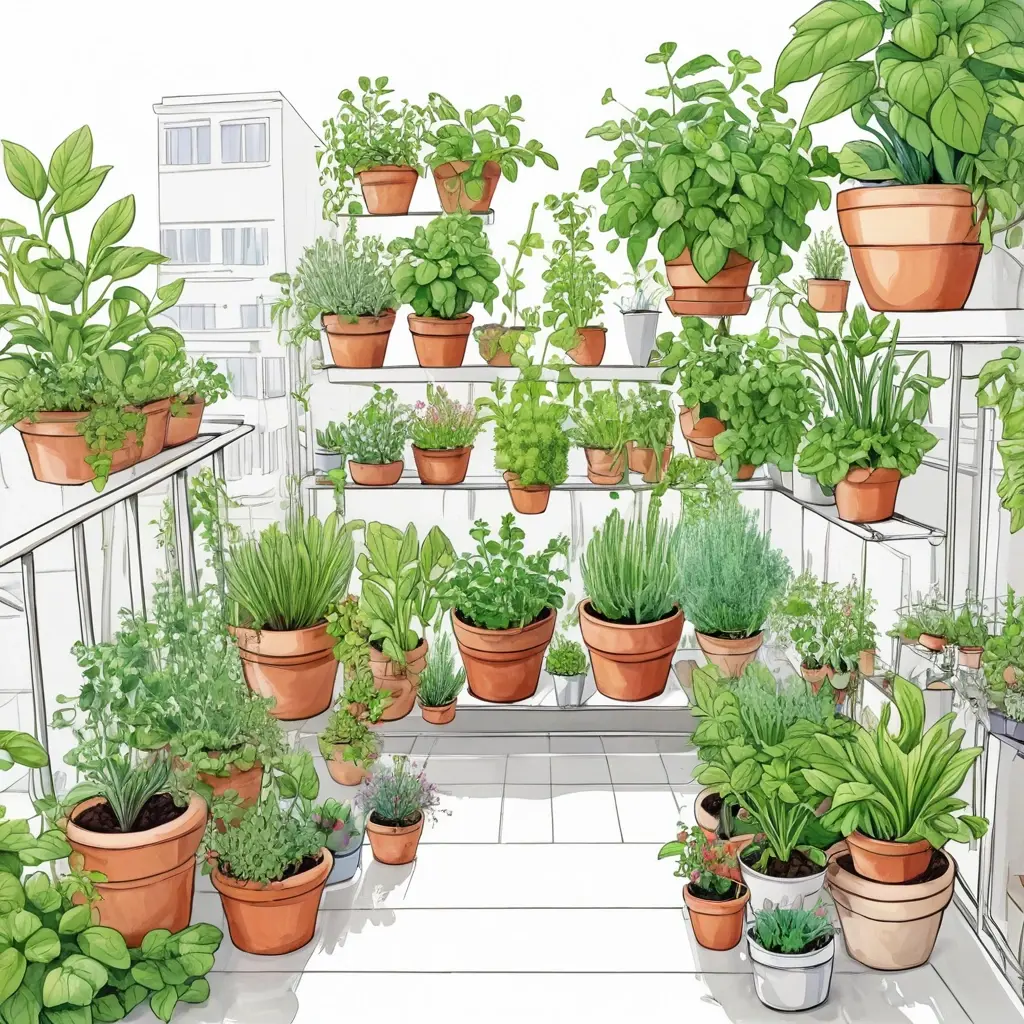
Decorate your herb garden with colorful pots, plant stands, or hanging planters. Add decorative stones or fairy lights for ambiance. Combining different shapes and colors creates a vibrant, inviting space that doubles as a visual retreat and a functional kitchen garden.
Author’s Advice
Don’t be afraid to experiment with different herbs and container styles. Your balcony herb garden should reflect your personality and cooking habits. Over time, you’ll learn what works best in your environment, transforming your small space into a lush, fragrant oasis that enhances your daily life.
Common Challenges and Solutions
| Issue | Solution |
|---|---|
| Herbs drying out quickly | Use self-watering containers or increase watering frequency during hot weather. |
| Herbs wilting or disease | Ensure proper drainage, rotate plants for even sunlight, and remove diseased foliage promptly. |
| Pests | Introduce beneficial insects or use organic pest control methods, like neem oil. |
Conclusion
Creating a beautiful herb garden on your balcony is both rewarding and practical. With thoughtful planning, suitable containers, quality soil, and consistent care, you can enjoy a lush, fragrant collection of herbs year-round. Not only does it elevate your cooking, but it also adds beauty and freshness to your living space. Start small, learn as you go, and watch your balcony transform into a thriving herb haven that enhances your lifestyle and delight your senses.
Q&A Block
Q1: Which herbs are easiest for beginners to grow on a balcony?
A1: Basil, mint, chives, and parsley are among the easiest herbs for beginners, as they require minimal care and adapt well to container gardening.
Q2: How often should I water my balcony herbs?
A2: Most balcony herbs need watering every 1-2 days during hot weather. It’s best to check soil moisture regularly and water when the top inch feels dry.
Q3: Can I grow herbs in hanging baskets?
A3: Absolutely! Hanging baskets are perfect for herbs like thyme, oregano, and even strawberries. Ensure they have adequate drainage and are placed where they receive suitable sunlight.
Q4: How do I prevent pests from damaging my herbs?
A4: Maintain plant health through proper watering and pruning, introduce beneficial insects like ladybugs, or use organic remedies such as neem oil to keep pests at bay.
Q5: What is the best time of year to start growing herbs on a balcony?
A5: Spring is ideal for planting most herbs, as it allows them to establish and grow throughout the warmer months. However, many herbs can be grown indoors year-round if you have sufficient sunlight.