


Transforming Scrap Wood and Pallets into Elegant Outdoor Furniture
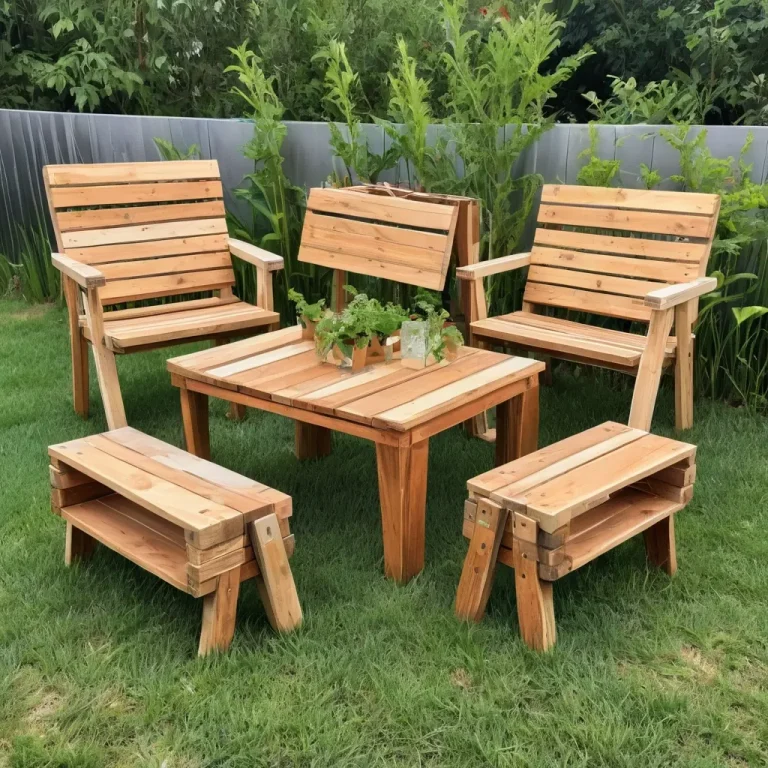
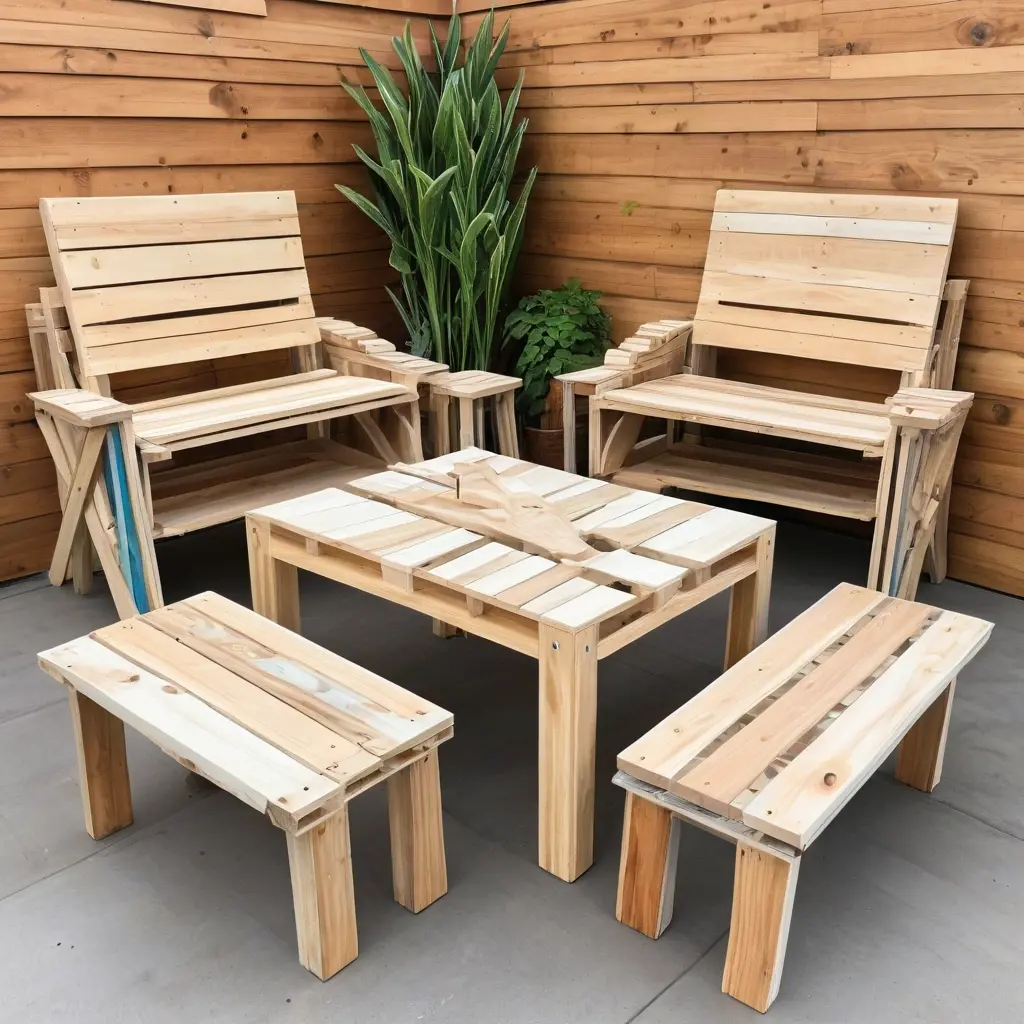
Creating outdoor furniture from scrap wood and pallets is a sustainable, cost-effective, and creatively rewarding venture. Not only does it reduce waste, but it also allows you to craft unique pieces that add personality and charm to your outdoor space. With a little effort and some basic tools, you can turn discarded wood into beautiful, functional furniture that elevates your garden or patio.
Why Choose Upcycling for Outdoor Furniture?
Upcycling turns unwanted or scrap materials into valuable, high-quality products. According to environmental studies, upcycling reduces landfill waste and conserves natural resources. Additionally, building your own outdoor furniture from pallets and scrap wood provides immense satisfaction and customization options that store-bought furniture cannot match.
Some key benefits include:
- Cost Savings: Use existing or discarded wood instead of buying new
- Unique Designs: Create personalized furniture tailored to your space
- Sustainability: Reduce environmental impact by repurposing waste materials
- Flexibility: Easily modify or expand your furniture pieces
Essential Tools and Materials
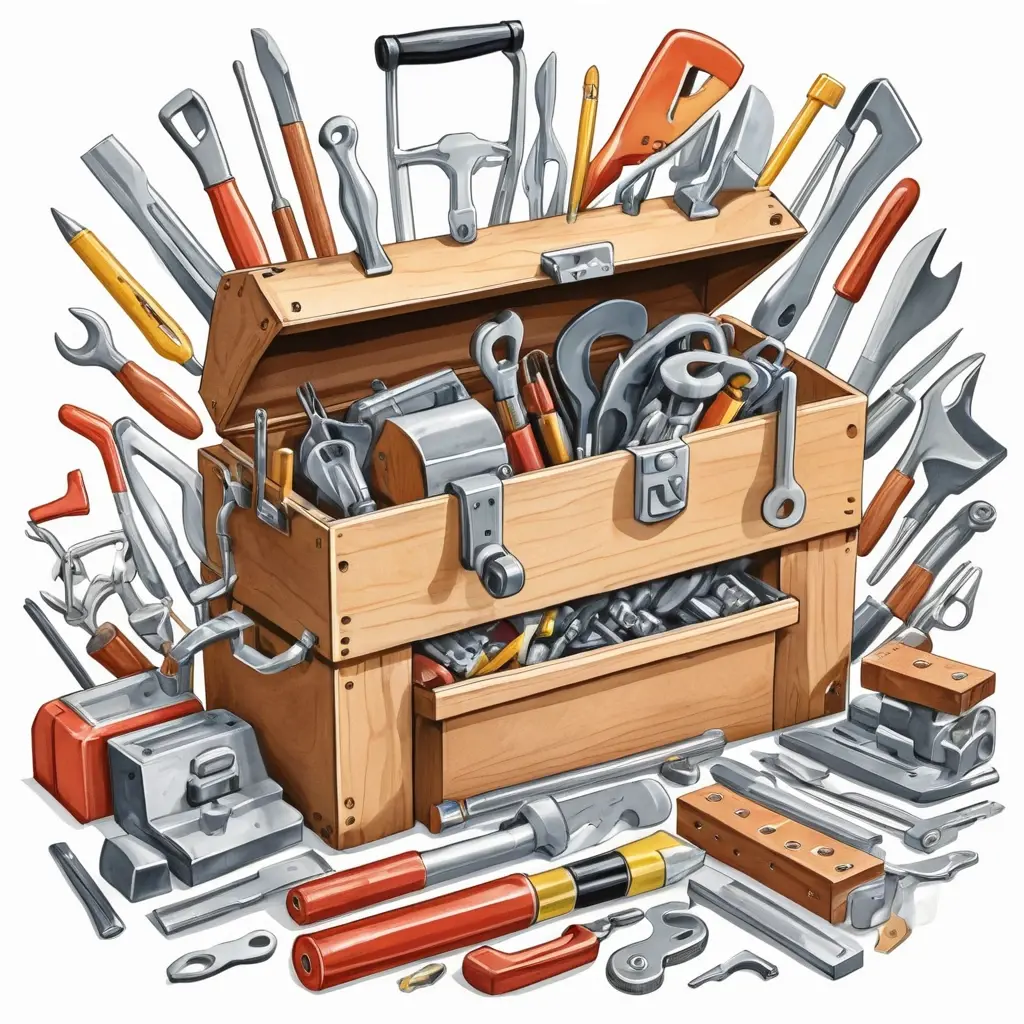
Tools Needed
- Circular saw or handsaw
- Drill and screwdriver
- Sander or sandpaper (medium and fine grit)
- Measuring tape and square
- Clamps
- Paintbrush or roller (optional for finishing)
Materials
- Reclaimed wood or scrap wood pieces
- Used or recycled pallets
- Screws and nails (preferably rust-resistant)
- Wood glue (optional for added stability)
- Outdoor sealant or paint for weatherproofing
Step-by-Step Guide to Building Pallet Furniture
1. Planning and Design
Begin by sketching your desired furniture piece—be it a bench, table, or chair. Consider the dimensions and the type of wood available. For example, a standard outdoor bench might be around 48 inches long, 18 inches high, and 14 inches deep. Incorporate your personal style into the design, adding decorative touches or weatherproof finishes.
2. Preparing the Wood
Disassemble pallets carefully using a crowbar or pry tool, removing nails and planks. Sand all surfaces thoroughly to remove splinters and ensure smoothness. Fix any damaged or warped wood with replacements or reinforcements. This step is crucial for safety and durability.
3. Cutting and Assembling
- Measure and cut the wood according to your design plans.
- Use clamps and screws to join pieces, ensuring strong joints. For example, attach the seat slats to the frame with rust-resistant screws.
- Add cross braces or supports for extra stability, especially for larger furniture pieces like tables or benches.
Example: Building an Outdoor Bench
Cut two side panels from pallet planks, forming the legs, and a long plank for the seat. Attach the seat to the sides with screws, reinforcing each joint. Sand edges and surfaces to finish. Apply outdoor sealant to protect against weather damage.
Finishing Touches and Weatherproofing
After assembly, sand the entire piece again for smoothness. Apply eco-friendly outdoor paint or stain to match your garden aesthetic. Seal the furniture with weatherproof sealant to prolong its lifespan and resist moisture and UV rays. Consider adding cushions or decorative pillows for comfort and style.
Creative Ideas and Customizations
- Paint or stain in bright colors to add vibrancy to your outdoor space.
- Attach hooks or small shelves for added functionality.
- Design multi-functional furniture—benches with storage underneath or foldable tables.
- Use leftover hardware or decorative elements like metal handles or reclaimed knobs.
Statistics and Success Stories
Studies show that DIY outdoor furniture projects can cut costs by up to 70%, with a typical bench costing less than $50 to build from reclaimed materials. Many eco-conscious homeowners report a greater sense of accomplishment and connection to their outdoor spaces after completing such projects. For example, a community project in Oregon recycled over 2,000 pounds of pallets, creating dozens of outdoor pieces that are still in use after five years.
Expert Advice and Tips
“Always prioritize safety when working with power tools and reclaimed wood. Proper sanding and sealing are key to weatherproofing your furniture. Don’t be afraid to experiment with different designs—your outdoor space is unique, and your furniture should reflect that.”
Conclusion
Upcycling scrap wood and pallets into elegant outdoor furniture is an excellent way to combine sustainability with creativity. Not only does it reduce waste and save money, but it also offers the satisfaction of crafting personalized pieces that enhance your outdoor living space. With proper planning, safety precautions, and finishing touches, you can create durable, beautiful furniture that stands the test of time. So gather your scrap wood, unleash your creativity, and transform your outdoor area into a charming haven without breaking the bank.
Question 1
Is it safe to build furniture from reclaimed pallets?
Answer:
Yes, but safety precautions are essential. Make sure to clean and sand all reclaimed wood thoroughly, and check for any signs of mold, lead paint, or chemical treatments. Use non-toxic finishes and wear protective gear when cutting or sanding.
Question 2
What are some easy DIY outdoor furniture projects for beginners?
Answer:
Start with simple projects like a pallet coffee table, outdoor bench, or garden planter boxes. These projects require minimal tools and can be completed within a weekend, giving you confidence to take on more complex designs later.
Question 3
How can I make sure my upcycled furniture lasts outdoors?
Answer:
Ensure all wood is properly sanded and sealed with weatherproof outdoor sealant or paint. Regular maintenance, such as reapplying sealant annually, and covering furniture during harsh weather will significantly prolong its lifespan.
Question 4
Are there any environmental benefits to upcycling wood instead of buying new furniture?
Answer:
Absolutely. Upcycling reduces landfill waste, conserves natural resources, and lowers carbon emissions associated with manufacturing new furniture. It also promotes a circular economy, supporting sustainability efforts locally and globally.