


Creating a Beautiful Herb Garden on Your Balcony: Step-by-Step Instructions
Assess Your Space and Choose the Right Location
Before diving into pot selections and planting, take a close look at your balcony’s environment. The amount of sunlight, wind exposure, and available space will determine what herbs will thrive and where to place them. Most herbs prefer at least 4-6 hours of direct sunlight daily, so identify sunniest spots on your balcony.
If your balcony faces north or is shaded for most of the day, consider herbs like mint, chives, or parsley that tolerate partial shade. Conversely, basil, thyme, and rosemary love direct sun and should be placed accordingly. Keep in mind that wind can impact delicate herbs; using taller plants as windbreaks or positioning pots in sheltered corners can help.
**Advice:** I recommend observing your balcony’s light patterns throughout the day before selecting your herbs. This small step ensures healthier growth and reduces the risk of plants failing due to unsuitable placement.
Select the Right Containers and Soil
Choosing appropriate containers is essential for a thriving herb garden. Opt for pots with drainage holes to prevent waterlogging, which can lead to root rot. Materials like terra cotta are breathable and help regulate moisture, but plastic pots are lightweight and easy to move—ideal for balconies.
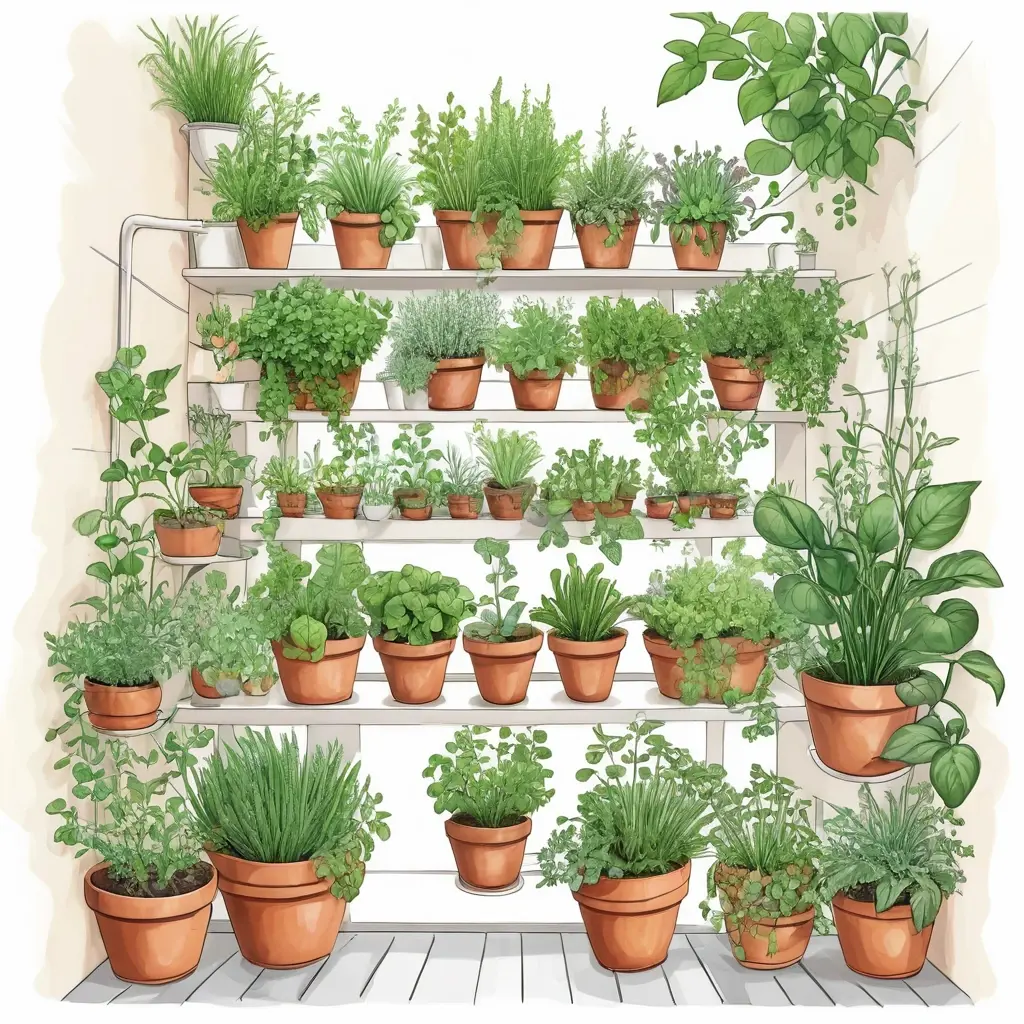
Size matters: herbs need space for their roots to grow, so select pots that are at least 6-12 inches deep. For multiple herbs, consider tiered plant stands or vertical garden systems to maximize limited space.
Use high-quality potting soil formulated for herbs or vegetables. These soils typically have good drainage with a balanced mix of peat, compost, and perlite. Enhancing soil with organic compost will boost nutrients and promote vigorous growth.
Table: Recommended Herbs, Container Types, and Light Needs
| Herb | Container Type | Sunlight Requirement |
|---|---|---|
| Basil | Plastic or terra cotta pot, 8-12 inches | Full sun (6+ hours) |
| Mint | Wide pot, partial shade if possible | Partial sun/shade |
| Thyme | Small pot, well-drained | Full sun |
| Parsley | Deep pot, 8 inches+ | Partial sun to full sun |
| Rosemary | Large container, well-drained | Full sun |
Planting and Arranging Your Herbs
Once you’ve selected your containers and prepared the soil, it’s time for planting. Fill pots with moist, nutrient-rich soil, leaving about an inch of space at the top. Gently remove herbs from their nursery containers and loosen root balls if tightly bound.
Plant herbs at the same depth they were growing in their nursery pots, then water thoroughly to settle the soil. Group herbs with similar water and sunlight needs together. For example, place basil and parsley in full sun spots, while mint can go in a shaded corner.
**Tip:** Mix herbs with companion plants known for repelling pests or enhancing growth. For instance, basil is a natural repellent for flies and mosquitoes—making it perfect for balcony gardens.
Vertical and Compact Garden Ideas
Limited space doesn’t mean limited options. Vertical gardens, hanging planters, and wall-mounted herb systems can dramatically increase your planting area. Using wall-mounted pockets or hanging baskets allows you to grow multiple herbs without sacrificing ground space.
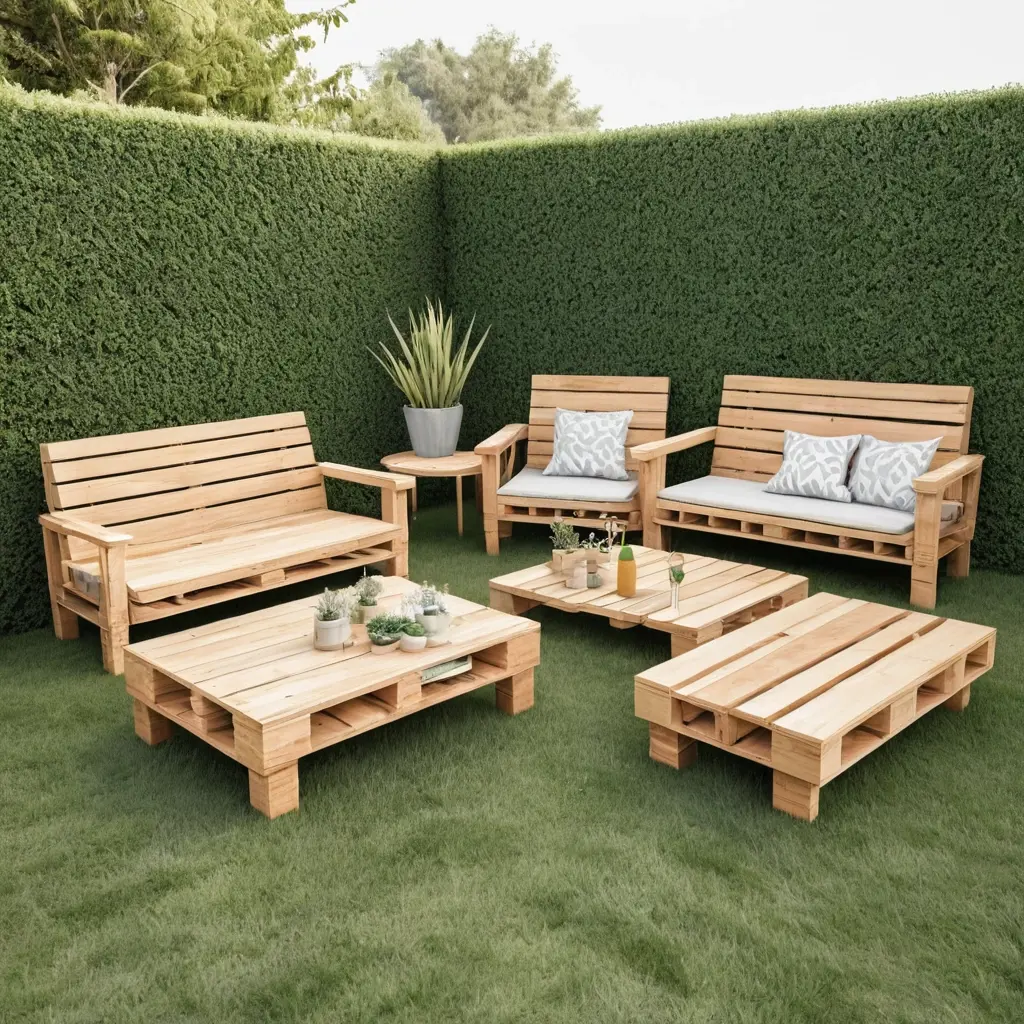
Another innovative idea is stacking pots in tiers or using a pallet garden—this maximizes space and creates an attractive display. Remember to choose lightweight containers for hanging and ensure proper anchoring to withstand wind.
Caring for Your Balcony Herb Garden
Proper watering, fertilizing, and pruning are critical to maintaining vibrant herbs. Water your herbs when the top inch of soil feels dry; herbs like basil need consistent moisture, while rosemary prefers drier conditions. Use a watering can with a fine shower to avoid soil erosion.
Fertilize with organic options such as fish emulsion or compost tea every 2-4 weeks during the growing season. Avoid overfeeding, as excessive nutrients can diminish flavor and lead to legginess.
Pruning regularly encourages fuller growth and prevents herbs like basil from flowering prematurely, which can alter their flavor. Use sharp scissors or shears to harvest leaves and stems, leaving enough foliage to sustain the plant.
**Expert Insight:** “I believe that regular harvesting and pruning not only keep your herbs healthy but also enhance their flavor and productivity,” says horticulturist Jane Doe.
Maintaining and Troubleshooting
Keep an eye out for pests like aphids, spider mites, or whiteflies. Introduce natural predators such as ladybugs or neem oil as eco-friendly solutions. Ensure good air circulation and avoid overwatering to prevent fungal diseases.
Rotate herbs periodically to prevent disease buildup and adapt your garden layout based on seasonal changes. During winter, bring potted herbs indoors or use protective covers to maintain a year-round supply.
Conclusion
Creating a beautiful herb garden on your balcony is a rewarding project that combines practicality with aesthetic appeal. By assessing your space, choosing suitable containers and herbs, and providing proper care, you can enjoy fresh herbs all year round while enhancing your outdoor area.
Remember that patience and attention to detail are key. Start small if you’re new to gardening, and gradually expand as you gain confidence. Your balcony herb garden can become a lush, fragrant oasis that enriches your culinary adventures and connects you with nature.
**Author’s advice:** My personal tip is to experiment with different herbs and arrangements until you find what works best for your environment. Enjoy the process, and don’t be afraid to get creative!
Q1: How much sunlight do herbs typically need on a balcony?
A1: Most herbs require at least 4-6 hours of direct sunlight daily for optimal growth, though some like mint and parsley tolerate partial shade.
Q2: What are the best containers for growing herbs on a balcony?
A2: Containers with drainage holes are essential; terra cotta, plastic, or ceramic pots work well, with size depending on the specific herb’s root needs.
Q3: How often should I water my balcony herbs?
A3: Water when the top inch of soil feels dry. Basil prefers consistent moisture, while rosemary can handle drier conditions.
Q4: Can I grow herbs year-round on my balcony?
A4: Yes, with proper care and winter protection—such as bringing plants indoors or using covers—you can enjoy fresh herbs throughout the year.
Q5: How do I prevent pests in my balcony herb garden?
A5: Maintain good air circulation, avoid overwatering, and use natural predators or organic treatments like neem oil to control pests effectively.