

Must-Have Tools for Creative Crafts
Choosing the right tools can make all the difference in your crafting projects. While the variety of tools available can seem overwhelming, there are some essentials that every crafter should keep in their arsenal. These tools not only improve efficiency but also enhance the quality of your finished products.
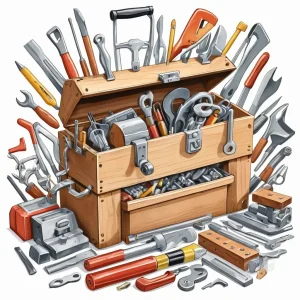
For instance, a good pair of scissors designed specifically for crafting can make intricate cutting easier and more precise. A hot glue gun can join most materials quickly and securely. Marking tools such as pens, pencils, and rulers help achieve accuracy in your designs. Think about your usual projects: if you’re into paper crafts, acrylic paints and brushes might be essential; for sewing enthusiasts, quality needles and a well-stocked sewing box are indispensable.
Basic Tools Checklist
- Scissors and Craft Knives
- Hot Glue Gun and Adhesives
- Rulers, Measuring Tapes
- Cutting Mats
- Paints, Brushes, and Marking Tools
- Needles, Thread, and Sewing Kits
- Pliers, Wire Cutters (for jewelry or mixed media)
- Heat Tool or Embossing Guns (for specific crafts)
Investing in quality tools can increase your efficiency and reduce frustration. For example, cheap scissors tend to dull quickly and can damage your materials, ultimately costing you more in replacements. On the other hand, high-quality tools, although initially more expensive, tend to last longer and work more smoothly, resulting in better craftsmanship.
Essential Materials for Different Craft Styles
Materials are the backbone of any craft project, and the choice largely depends on your specific craft type. From paper and fabric to clay and metal, understanding what materials work best and which ones to economize on can save you both time and money.
For paper crafts such as origami, card-making, or scrapbooking, quality cardstock, patterned papers, and adhesive tapes are vital. When working with textiles, selecting durable fabrics and thread ensures longevity, especially in projects like quilts or clothing. For sculpting or clay work, air-dry or polymer clay are popular options—each offering different textures and finishes.
Key Materials by Craft Type
| Craft Type | Core Materials | Optional/Extras |
|---|---|---|
| Paper Crafts | High-quality cardstock, patterned paper, glue sticks | Embossing powders, stickers, decorative tapes |
| Textile Crafts | Cotton or linen fabrics, polyester thread | Appliqué patches, decorative buttons |
| Jewelry Making | Beads, wire, jewelry findings | Charms, clasps, soldering supplies |
| Clay & Sculpting | Polymer clay, air-dry clay | Acrylic paints, texture tools |
Some materials can be budget-friendly without sacrificing quality. For example, choosing local or generic brands for basic supplies like glues and paints can significantly reduce costs. Also, buying in bulk often provides savings, especially for frequently used items like thread or paper.
What to Save On and Where to Splurge
Smart budgeting in crafts involves knowing where to cut costs and where investing pays off. Basic tools and materials that you use often and require precision, such as scissors or paints, are worth splurging on. High-quality versions of these items can improve your work and endure longer.
Conversely, disposable or decorative items that don’t impact the structural integrity of your project, such as stickers, glitter, or inexpensive embellishments, can be purchased cheaply or in bulk. These materials add fun and flair but are often not critical to the craft’s durability or quality.
My personal opinion is that investing in versatile tools that you can use across various crafts maximizes their value. For example, a good craft knife or a reliable hot glue gun is a worthwhile investment because it can be used for multiple projects over years. Conversely, seasonal or trendy materials that might only be suitable once should be bought sparingly or repurposed creatively to avoid waste.
Maintaining and Organizing Your Craft Supplies
Proper organization extends the lifespan of your tools and materials. Keep your scissors, knives, and brushes clean and dry. Use dedicated containers or storage drawers to separate different types of supplies, making it easier to access what you need quickly.
Regularly assess your supplies for items that are dried out, expired, or unused. Donating unused materials can prevent clutter and inspire others. Labeling containers and investing in stackable storage boxes can streamline your workspace, fostering creativity and efficiency.
Conclusion
Creating beautiful crafts doesn’t necessarily require the most expensive tools and materials, but a strategic approach to choosing what to invest in can significantly improve your projects. Focus on quality essentials like scissors, adhesives, and core materials for your crafts, while being frugal on decorative extras. Building a balanced toolkit and supply stockpile allows you to craft with confidence and joy.
Remember, the key to successful crafting is not just having the right tools, but also nurturing your creativity and experimenting with different materials. With the right mix of quality and savings, you can elevate your DIY projects from simple to spectacular.
Happy crafting!
Q1: What are the most important tools to invest in for beginners?
A1: Beginners should focus on quality scissors, a good craft knife, reliable adhesives like hot glue guns, and a set of measuring tools. These foundational items will serve most projects well and help develop good crafting habits.
Q2: How can I save money on craft materials without sacrificing quality?
A2: Buy basic supplies like paper, fabric, and glue in bulk or from generic brands. Look for sales and discounts, and repurpose materials whenever possible. For trendy or decorative items, buy in small amounts or reuse what you have creatively.
Q3: Are high-priced tools always better for crafts?
A3: Not necessarily. While higher-priced tools often offer better durability and precision, many mid-range or budget options work well for hobbyists. Prioritize investing in tools that will be used frequently or are crucial for the quality of your crafts.
Q4: How should I organize my craft supplies for efficiency?
A4: Use labeled containers, stackable drawers, or dedicated storage units for different categories of supplies. Keep frequently used tools within reach, and regularly clear out unused or expired items to keep your workspace tidy and inspiring.