


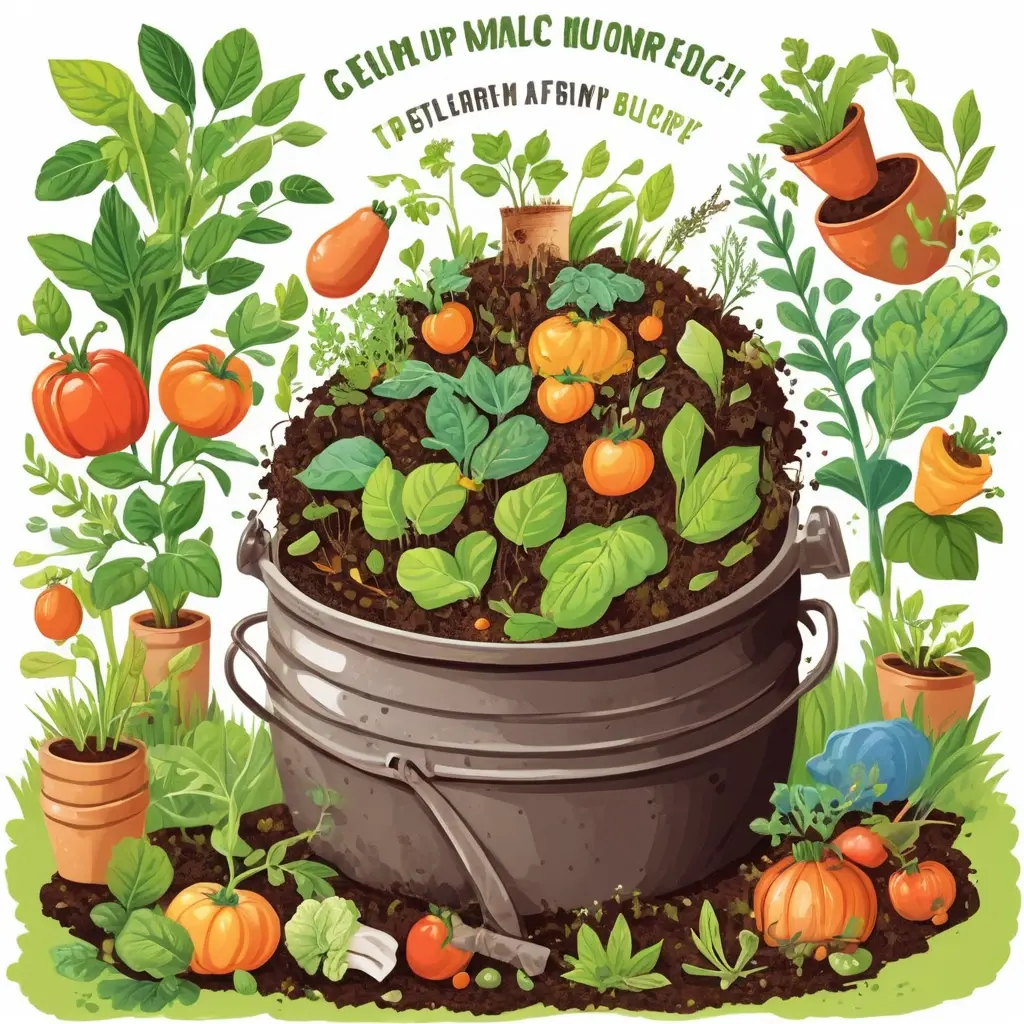
Understanding Composting: What It Is and Why It Matters
Composting is the natural process of recycling organic waste into nutrient-rich soil amendments known as compost. It mimics what happens in nature when leaves fall, and plants decompose, returning vital nutrients to the earth. Not only does composting reduce waste sent to landfills—where organic matter generates harmful methane gas—but it also enriches soil, improves plant health, and decreases reliance on chemical fertilizers.
According to environmental statistics, nearly 30% of municipal waste is organic material that can be composted. When managed properly, composting contributes significantly to sustainable living by reducing methane emissions and producing a valuable resource for gardens. Whether you have a backyard or just a small balcony, composting is accessible and highly beneficial.
Choosing the Right Composting Method for Your Home
1. Traditional Bin Composting
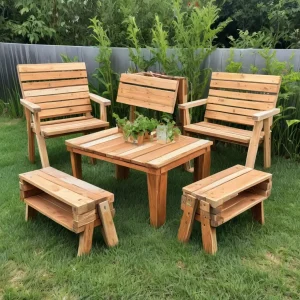
This is the most common method, suitable for backyard gardeners with ample space. It involves using a compost bin—plastic, wooden, or metal—that allows organic materials to decompose with good aeration. Basic bins can be purchased or DIY-built using pallets or reused containers.
2. Tumbler Composting
A tumbler compost bin is a sealed container mounted on a frame, making it easy to turn and mix compost. This method accelerates decomposition, producing finished compost in as little as 4-6 weeks. It is ideal for those who want quick results with minimal effort.
3. Vermicomposting (Worm Composting)
This technique uses specific worms, typically red wigglers, to turn kitchen scraps into compost. It’s perfect for apartment dwellers or those lacking yard space. Vermicompost is rich in nutrients and can be harvested regularly by separating the worms from the finished compost.
Setting Up Your Home Compost System
Choosing a Location
Place your compost bin in a shady, well-drained spot away from direct sunlight to help maintain moisture and temperature. If space is limited, consider indoor options like worm bins. Make sure the location is accessible and visible to monitor moisture and aeration levels.
Gathering Materials
- Greens: Kitchen scraps, grass clippings, coffee grounds, fruit and vegetable peels
- Browns: Dry leaves, shredded newspaper, cardboard, straw
Striking the right balance of “greens” and “browns” is crucial—aim for a ratio of roughly 1:3 to avoid odors and ensure efficient composting.
Maintaining Your Compost Pile
Layering and Turning
Start by layering browns and greens to promote airflow and moisture retention. Regularly turning the pile—every 1-2 weeks—oxygenates the compost, speeds up decomposition, and prevents foul odors. Use a garden fork or a compost turner for this task.
Moisture Control
Keep the compost moist, akin to a damp sponge. If it becomes too dry, add water; if too wet, add more browns. Maintaining proper moisture levels is key to efficient composting.
Signs of Mature Compost and When to Harvest
Compost is ready when it becomes dark, crumbly, and earthy in smell. It often looks like rich soil and shouldn’t contain recognizable bits of food or yard waste. Typically, composting takes 3-6 months, depending on materials and methods.
Use your finished compost in garden beds, flower pots, or as a top dressing for lawns. It boosts soil fertility and helps retain moisture, leading to healthier plants.
Common Composting Challenges and Solutions
| Issue | Cause | Solution |
|---|---|---|
| Odor | Too much moisture, lack of aeration, or excess greens | Turn the pile, add browns, reduce green inputs, and improve airflow |
| Too slow | Insufficient moisture, poor aeration, or imbalance of greens/browns | Adjust moisture, turn more frequently, and ensure correct material ratios |
| Contaminants or pests | Adding meat, dairy, or oily foods; or outdoor trash | Stick to plant-based kitchen scraps, cover compost with a lid, and avoid adding problematic items |
Expert Tips for Successful Home Composting
My personal recommendation is to start small and observe how your compost reacts. Don’t be discouraged by initial odors or slow decomposition. Patience, consistent maintenance, and balancing your materials are key to turning kitchen waste into a garden treasure.
Conclusion
Learning to compost at home is an empowering step toward sustainability and gardening success. By understanding the various methods, setting up your system thoughtfully, and maintaining it with patience, you can turn everyday organic waste into nourishing compost that benefits your plants and reduces environmental impact. Whether you have a backyard or a balcony, starting your composting journey today can lead to healthier soil, lush gardens, and a greener lifestyle.
Q1: What kitchen scraps can I compost at home?
Ideal scraps include vegetable and fruit peels, coffee grounds, eggshells, tea bags, and leftover cooked vegetables. Avoid meat, dairy, oily foods, and processed snacks as they attract pests and create odors.
Q2: How long does it take for compost to be ready for use?
Typically, compost is ready in 3 to 6 months, depending on factors like ingredients, climate, and maintenance. Proper turning and moisture management can speed up the process.
Q3: Can I compost in an apartment or small space?
Absolutely! Vermicomposting—using worms—or small indoor compost bins are perfect solutions for limited space. Ensure proper ventilation and monitor moisture levels for successful indoor composting.
Q4: What are the common mistakes to avoid in composting?
Avoid adding meats, dairy, oily foods, and pet waste. Don’t forget to balance greens and browns, keep the pile moist but not waterlogged, and turn it regularly to provide aeration.