



Introduction to Small Home Repairs and Their Importance
Maintaining a home often involves a series of small repairs that, if handled promptly, can prevent costly damages down the line. From fixing leaky faucets to patching drywall, the right tools and materials play a crucial role in ensuring repairs are effective, safe, and affordable. Small repairs account for a significant portion of household maintenance expenses—statistics show that homeowners can save up to 25% annually by performing minor fixes themselves rather than hiring professionals.
Being equipped with essential tools and quality materials enables homeowners to handle these repairs efficiently, saving time, money, and the hassle of waiting for professional assistance. Additionally, knowing where to source cost-effective options can make home maintenance a manageable and even enjoyable activity.
Must-Have Tools for Small Home Repairs
Basic Hand Tools
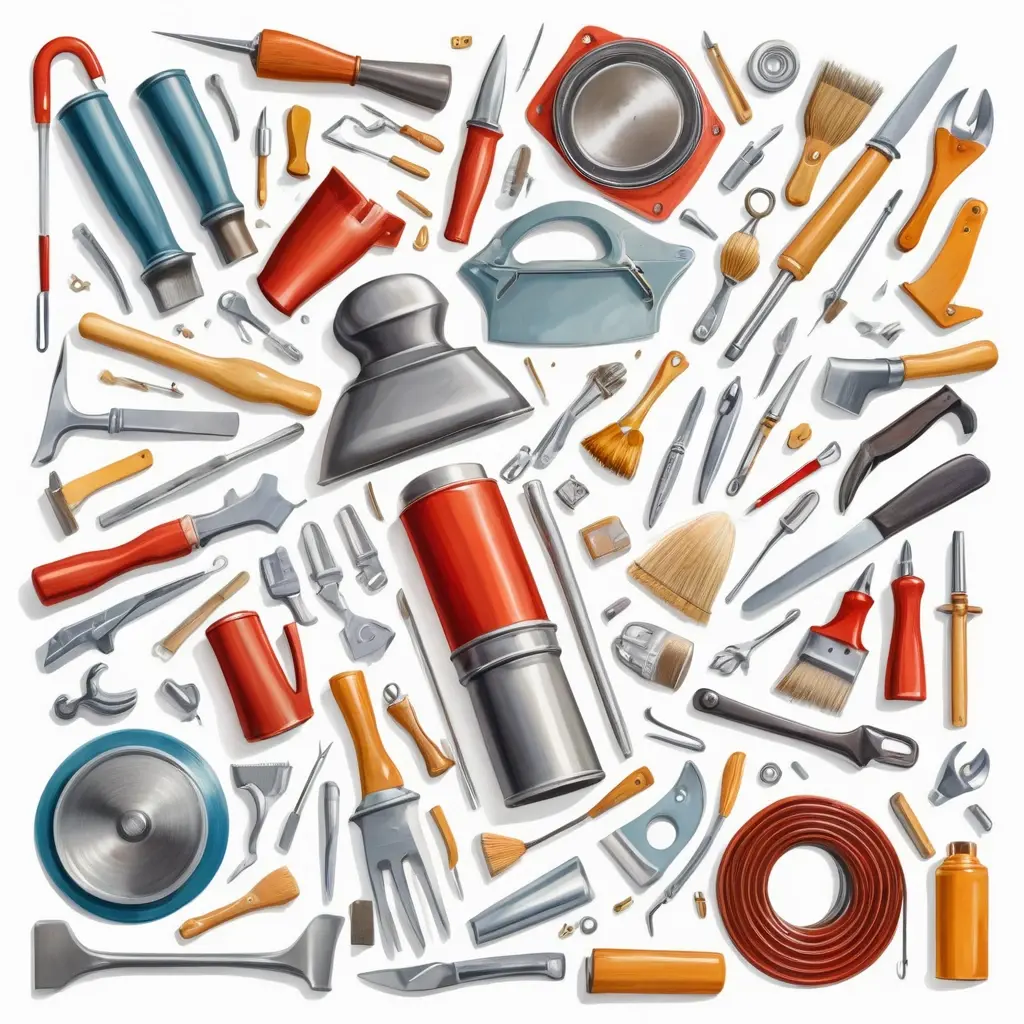
A well-stocked toolbox is the foundation of any successful DIY repair kit. Key hand tools include a hammer, screwdrivers (both flathead and Phillips), pliers, adjustable wrench, utility knife, tape measure, level, and a cordless drill. These tools are versatile and can handle most minor repairs such as tightening loose screws, fixing furniture, or installing fixtures.
Invest in high-quality, durable tools—though they may cost more upfront, they last longer and perform better, ultimately saving money over time. For instance, a good cordless drill can replace multiple manual hand tools and significantly speed up tasks.
Specialized Tools
Depending on the type of repair, you may need more specialized equipment. For example, a caulking gun is essential for sealing gaps and cracks, while a stud finder helps locate framing behind walls for secure mounting or repairs. A small paint sprayer can speed up painting projects, and a tile cutter is useful for bathroom or kitchen repairs involving tiles.
Having these tools on hand allows you to approach repairs with greater precision and less frustration. Consider renting high-cost tools if you only plan to use them once or twice to save money.
Quality Materials for Small Repairs
Adhesives, Sealants, and Fillers
Choosing the right adhesives and sealants is essential for durable repairs. Use waterproof caulk for bathroom fixtures, epoxy for fixing broken ceramics, and wood glue for furniture repairs. For gaps and holes, spackling paste or joint compound provides a quick fix, with sandable finish options available for a seamless look.
Paints and Finishes
A fresh coat of paint can transform a room and cover minor imperfections. When selecting paints, consider low-VOC options for a healthier indoor environment. Buying in bulk or during sales can significantly reduce costs. Be sure to select the right finish (matte, satin, gloss) for your project to ensure durability and desired aesthetic.
Hardware and Replacement Parts
For door handles, locks, hinges, and fixtures, opting for generic brands can save a significant amount without sacrificing quality. Ensure parts are compatible with existing fixtures to prevent additional expenses.
Finding Cost-Effective Options
- Shop Smart: Compare prices online and in stores, look for sales, and consider clearance items at hardware stores.
- Buy in Bulk: Purchase commonly used items such as paint, nails, or screws in bulk to save costs in the long term.
- Use Mastering DIY Skills: Educate yourself through tutorials, workshops, or community classes. A little know-how can help you tackle repairs more efficiently and reduce labor costs.
- Opt for Alternative Materials: Sometimes, using reclaimed or recycled materials—such as reclaimed wood or used fixtures—can significantly cut costs.
“Patience and research are key to budget-friendly home repairs. Don’t rush to buy the first tool or material; explore options to find the best value for your needs.”
Examples of Cost-Effective Repairs and Materials
- Fixing a Leaky Faucet: Instead of replacing the entire fixture, replace the washer or cartridge—costs can range from $5 to $20—saving hundreds of dollars. Use generic parts compatible with your model for savings.
- Patching Small Holes in Drywall: Use inexpensive spackling paste and a lightweight drywall patch. Painting over the patched area with leftover or bulk-purchased paint keeps costs down.
- Painting a Room: Buy high-quality primer and paint during sales, and use a roller for quick coverage. Reusing leftover paint from previous projects is also a smart cost-saving measure.
Conclusion
Small home repairs can be manageable and cost-effective when you have the right tools, materials, and know-how. Investing in essential, quality tools and sourcing materials wisely can save you money while ensuring repairs are durable and professional-looking. Remember, patience, research, and a proactive attitude are your best allies in home maintenance. With these strategies, you can keep your home in excellent condition without breaking the bank. Regular maintenance not only preserves the value of your property but also avoids expensive repairs in the future, making homeownership more rewarding and less stressful.
Q1: What are the must-have tools for basic home repairs?
A1: Essential tools include a hammer, screwdrivers, pliers, adjustable wrench, utility knife, tape measure, level, and a cordless drill. These cover most minor household repairs.
Q2: How can I save money when buying repair materials?
A2: Shop during sales, buy in bulk, consider generic brands or reclaimed materials, and use leftover paint or supplies from previous projects.
Q3: What are some common cost-effective DIY repairs?
A3: Fixing leaky faucets or small plumbing leaks, patching holes in drywall, repainting rooms, and replacing hardware or fixtures are all budget-friendly DIY repairs.
Q4: Is it worth renting expensive tools for occasional use?
A4: Yes, renting high-cost tools like tile cutters or power sanders can save money if you don’t plan to use them frequently, avoiding unnecessary expense.