


Introduction
Whether you’re a beginner or have some experience, undertaking DIY projects on a budget requires the right tools and materials. Having the proper equipment can make your work easier, more efficient, and more satisfying, all while saving money. In this comprehensive guide, we’ll explore essential tools and materials that every DIY enthusiast should consider adding to their toolkit without breaking the bank.
Essential Tools for DIY Projects on a Budget
Basic Hand Tools
A set of reliable hand tools is the foundation of any DIY toolkit. These tools are versatile, durable, and often inexpensive, making them perfect for a wide range of projects. The essentials include screwdrivers, hammers, pliers, utility knives, and tape measures. Invest in a quality adjustable wrench and a set of screwdrivers with different heads to handle various fasteners efficiently.
Having these basic tools on hand allows you to perform tasks such as assembling furniture, repairing household items, or creating custom projects with minimal expense. Look for combinations packs or sets to get the most value for your money.
Power Tools: When and How to Invest
While power tools tend to be more costly, they significantly speed up work and improve precision. For those on a budget, focus on acquiring a few versatile models such as a cordless drill and a circular saw. These can handle multiple tasks, from drilling holes to making straight cuts in wood or other materials.
Consider purchasing used or refurbished power tools from reputable sources. This approach can save up to 50% compared to buying new, without sacrificing quality. Prioritize tools with good warranties and customer reviews to ensure longevity and safety.
Specialty Tools for Specific Projects
Depending on your niche projects, certain specialty tools might be necessary, such as a hot glue gun, a paint sprayer, or a jigsaw. These tools make specific tasks easier and more professional-looking. For instance, a jigsaw is essential for making curved cuts in wood or metal, while a hot glue gun is perfect for quick fixes and crafts.
In budget-friendly DIY setups, consider renting specialty tools for projects that require rare or expensive equipment, or look for multi-purpose tools that combine several functions in one device.
Materials Needed for Budget-Friendly DIY
Common Household Materials
Many DIY projects can be completed with materials found around the house or purchased cheaply. Items like paint, plywood, scrap metal, fabric, and basic fasteners (nails, screws, hooks) are readily available. Using reclaimed or repurposed materials not only saves money but also promotes environmental sustainability.
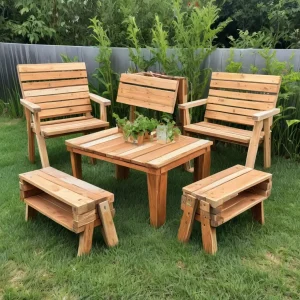
For example, old pallets can be transformed into furniture, and leftover paint cans can be used for accent walls or craft projects. The key is creativity and resourcefulness.
Affordable Alternatives and Bulk Purchasing
To further cut costs, buy materials in bulk when possible. Bulk purchases often come with discounts and reduce the per-item expense. For instance, buying a large bag of screws or a roll of painter’s tape can be more economical in the long run.
Additionally, seek out affordable brands that offer quality at a lower price point. Many no-name or lesser-known brands produce reliable tools and materials that meet safety standards and work effectively. Always check reviews and product specifications before making a purchase.
Safety Equipment on a Budget
Safety should never be compromised, even when working with inexpensive tools and materials. Essential safety gear includes safety glasses, dust masks, gloves, and ear protection. Basic safety equipment can be very affordable and prevents costly injuries.
Invest in a good pair of safety goggles and sturdy gloves suitable for multiple tasks. Remember, a little investment in safety supplies can save you money and health in the long run.
Tips and Advice for Managing a Budget DIY Toolkit
- Prioritize multipurpose tools: A cordless drill can replace multiple hand tools like screwdrivers and small saws.
- Buy used or refurbished: Online marketplaces or local thrift stores often have quality tools at a fraction of the cost.
- Create a project plan: Knowing exactly what tools and materials are needed prevents unnecessary purchases.
- Join DIY communities: They often trade or sell tools and materials at lower prices or share useful tips.
- Invest gradually: Build your toolkit over time, starting with versatile essentials and expanding as needed.
Conclusion
Embarking on DIY projects while on a budget is entirely feasible with the right knowledge and planning. Focus on acquiring essential hand tools, a few versatile power tools, and good-quality, affordable materials. Reuse and repurpose existing items whenever possible, and always prioritize safety to ensure a smooth and enjoyable DIY experience. Remember, resourcefulness and patience are your best tools for creating impressive projects without overspending. With this guide, you’re well on your way to becoming an efficient, budget-savvy DIYer capable of tackling anything from small repairs to ambitious craft projects.
The key to successful DIY on a budget is prioritizing quality over quantity—invest in versatile tools that serve multiple purposes and you’ll save both space and money in the long run.
Q1: What are the most affordable yet essential tools for a beginner DIYer?
A1: A screwdriver set, hammer, measuring tape, adjustable wrench, and utility knife are affordable essentials that cover most basic tasks.
Q2: How can I save money on power tools for DIY projects?
A2: Purchase used or refurbished power tools from reputable sources, buy multi-purpose tools, and prioritize investing in just a few versatile models like a cordless drill and circular saw.
Q3: Are reclaimed or recycled materials suitable for DIY projects on a budget?
A3: Absolutely! Reclaimed wood, pallets, and leftover paint are cost-effective and eco-friendly materials that can be transformed into beautiful, functional items.
Q4: What safety equipment should I always have during DIY projects?
A4: Safety glasses, gloves, dust masks, and ear protection are essential to keep you safe during various DIY tasks.
Q5: How can I expand my toolkit gradually without overspending?
A5: Start with core tools, join DIY communities for advice and trades, and purchase additional tools as needed for specific projects, focusing on multipurpose equipment.