



Effortless Solutions to Repair Torn Couch or Mattress Covers
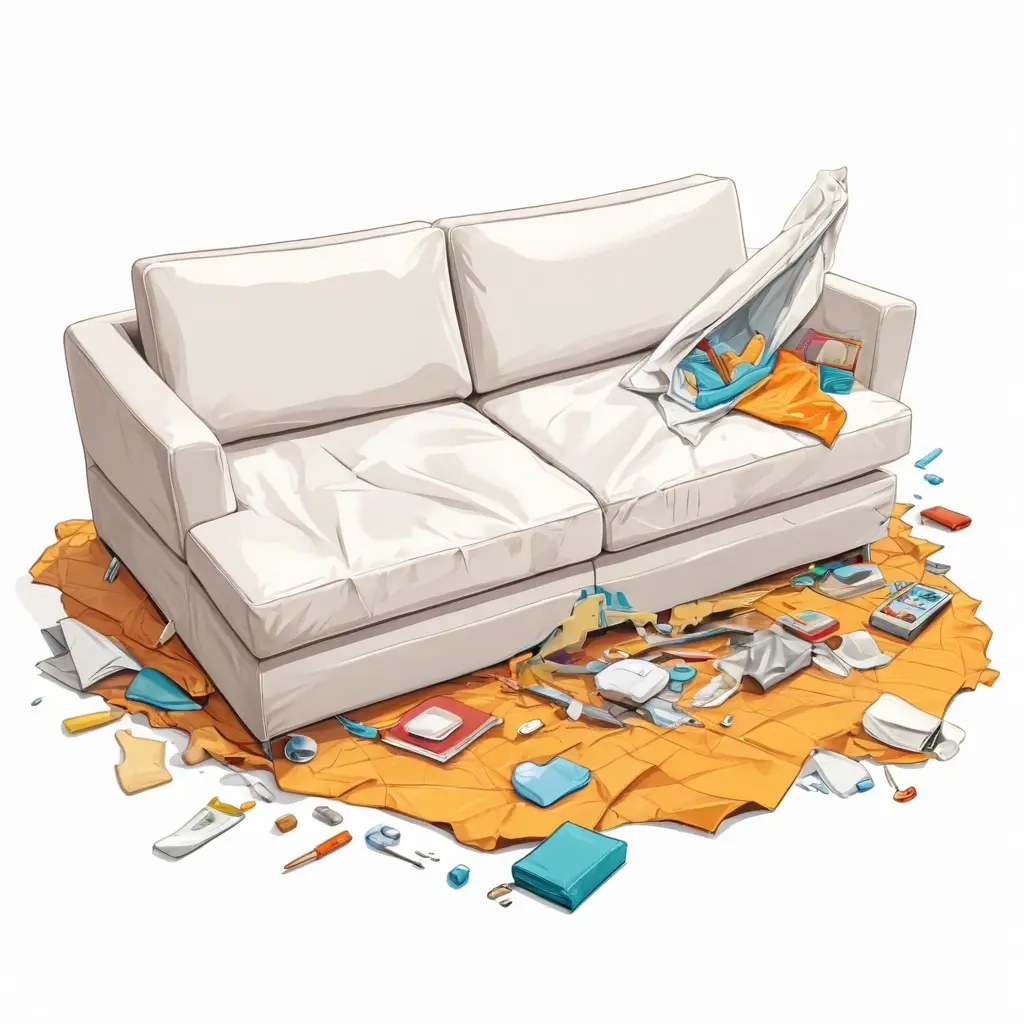
Accidents happen, and tears on couches and mattresses are common, especially in homes with children or pets. Repairing these tears promptly can restore the aesthetic appeal of your furniture and extend its lifespan. Fortunately, there are simple, effective tricks that can be executed in moments, saving you time and money.
Assessing the Damage
Before starting any repair, it’s essential to evaluate the extent of the tear. Small rips or frays can often be fixed with minimal tools, while larger tears might require more attention. Take a close look to determine whether the fabric is simply frayed, torn through, or if the underlying padding or springs are exposed.
For delicate fabrics like silk or velvet, extra caution is necessary. For sturdier materials like microfiber or canvas, quick fixes are usually straightforward. Remember, the goal is to reinforce the area so it can withstand regular use without further damage.
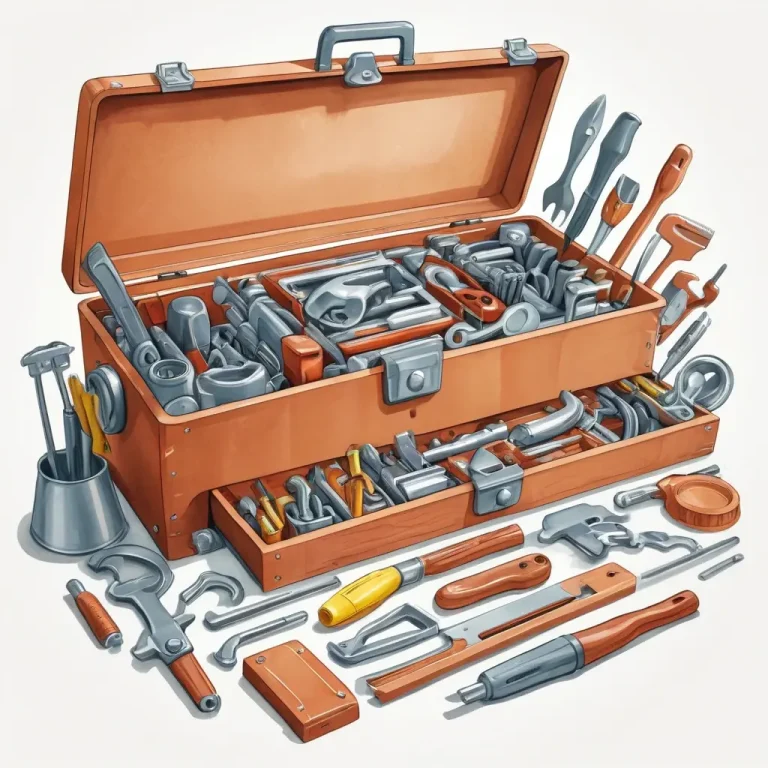
Basic Tools and Materials You’ll Need
- Sewing kit with needle and matching thread
- Fabric patches (self-adhesive or sew-on)
- Fabric glue or adhesive spray
- Iron-on mending patches
- Stretch repair tape or fabric tape
- Scissors and seam ripper (optional)
Step-by-Step Repair Techniques
1. The Quick Fix with Fabric Tape
For immediate repairs, fabric tape or heavy-duty gaffer tape can be lifesavers. Clean the torn area, cut a piece of tape slightly larger than the tear, and firmly adhere it over the tear on both sides. This method provides an instant fix, especially useful for temporary repairs or before a more thorough fix. It’s ideal for spots that are less visible.
2. Sewing the Tear
If you have basic sewing skills, this is a reliable method. Thread a needle with matching thread. Starting from the inside of the cover for a cleaner look, sew the torn edges together using a whip stitch or backstitch. Be sure to knot the ends securely. For larger tears, sew a fabric patch over the area on the inside or outside for extra reinforcement.
3. Using Fabric Glue or Adhesive
Fabric glue provides a quick, mess-free solution. Apply a thin layer of glue along the edges of the tear, press them together, and hold for a few minutes. For best results, let it cure overnight. This method works well for small tears or frayed edges and is suitable for upholstery fabrics that aren’t exposed to excessive tension.
4. Iron-On Patches for Seamless Repairs
Iron-on patches come in various colors and can blend seamlessly with the fabric. Cut a patch to size, round the corners to prevent peeling, and follow the manufacturer’s instructions to iron it onto the tear. This method is excellent for larger tears or worn areas that need reinforcement without visible stitches.
Preventive Tips to Avoid Future Tears
- Use slipcovers or furniture protectors, especially if you have pets or kids.
- Rearrange furniture placement to avoid sharp corners or heavy use in one spot.
- Keep sharp objects away from upholstery to prevent accidental tears.
- Regularly check your furniture for early signs of fraying and address them promptly.
Author’s Advice and Opinion
In my experience, the key to maintaining furniture in pristine condition is proactive care. Small tears can quickly turn into larger problems if not addressed early. Don’t hesitate to perform simple repairs—it saves money and prolongs the life of your beloved pieces. Using quick fixes like fabric tape or sewing patches can be done in minutes and yield surprisingly durable results. Remember, a well-maintained sofa or mattress not only looks better but also provides more comfort and support over time.
Conclusion
Repairing a torn couch or mattress cover doesn’t have to be complicated or expensive. With a few simple tools and techniques, you can handle common tears swiftly, preserving both your furniture’s appearance and functionality. Whether opting for instant fixes like fabric tape, sewing, or applying iron-on patches, these tricks are accessible to anyone eager to update their furnishings on the fly. Regular maintenance and prompt repairs will ensure your furniture remains inviting and comfortable for years to come.
Additional Resources
Explore online tutorials, local fabric stores for patches, and specialty adhesive products to find what best suits your specific needs. Keep a small repair kit handy for emergencies, and you’ll be prepared to tackle tears at a moment’s notice.
Q1: Can I repair a tear on a leather or faux leather couch the same way?
A1: Leather requires specialized repair kits that include leather adhesive and color-matching compounds. While some fabric repair tricks work on faux leather, it’s best to use products specifically designed for leather to ensure a seamless and durable fix.
Q2: Will repairing with fabric glue hold over time?
A2: Fabric glue can be quite effective for small tears, especially if the fabric isn’t under constant tension. However, for high-stress areas or larger tears, sewing or patching might provide a longer-lasting solution.
Q3: Is it better to replace or repair a damaged mattress cover?
A3: For minor tears, repair is usually sufficient and cost-effective. However, if the cover is extensively worn or stained, replacing it may be more hygienic and aesthetically pleasing. Regular maintenance can also prevent the need for replacement down the line.
Q4: How can I prevent my couch cover from tearing again?
A4: Use slipcovers to distribute stress evenly, keep sharp objects away from upholstery, and avoid placing heavy or abrasive items directly on the fabric. Regular inspections and prompt repairs of small tears also help prolong the cover’s life.
Q5: Are there any eco-friendly repair options for torn furniture covers?
A5: Yes, many eco-friendly adhesives and patches made from recycled materials are available. Look for products labeled as biodegradable or environmentally safe, and consider upcycling fabric remnants for patches to reduce waste.