


Creating a Versatile Toolbox: A Guide to Affordable Quality Tools
Building a comprehensive toolbox that can handle diverse projects is both an art and science. The key is selecting tools that are versatile, durable, and budget-friendly. Whether you’re a DIY enthusiast, a professional, or someone looking to maintain your home, assembling the right toolkit ensures you’re prepared for any task.
Assess Your Needs and Prioritize Core Tools
The first step is identifying the types of projects you most frequently undertake. For most homeowners or hobbyists, essential categories include carpentry, plumbing, electrical work, and general repairs. Prioritizing these allows you to focus your budget wisely.
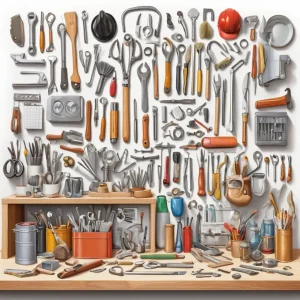
According to industry statistics, around 70% of home repairs involve basic tools like screwdrivers, pliers, and hammers. Starting with these core items ensures you can handle 80% of common tasks without extra investments. It’s more cost-effective to invest in quality versions of essential tools than to amass many unrelated items.
Choosing the Right Tools: Quality Meets Budget
Opt for Multi-Functional Tools
Multipurpose tools provide high utility with fewer items, saving space and money. For instance, a combination hammer with a nail puller, a screwdriver with interchangeable heads, or multi-bit screwdrivers are invaluable.
Prioritize Durability and Versatility
While budget-friendly tools are tempting, investing in tools with proven durability assures longevity and performance. Look for brands known for quality at a reasonable price, and read user reviews to gauge their real-world performance.
For example, a well-reviewed $15 adjustable wrench can outperform a $5 one that breaks easily, saving you replacement costs over time.
Materials to Use for DIY Tool Storage
Creating a sturdy, organized toolbox is just as important as filling it with the right tools. Using quality materials for your storage solutions ensures longevity and ease of access.
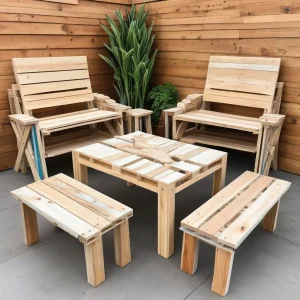
- Recycled plastic or plywood are inexpensive, durable options for crafting custom boxes or inserts.
- Heavy-duty zip ties, magnetic strips, and small containers can help organize small parts and accessories effectively.
A well-organized toolbox reduces time searching for tools and minimizes frustration during projects.
Building or Assembling Your Toolbox
DIY vs. Purchased Toolboxes
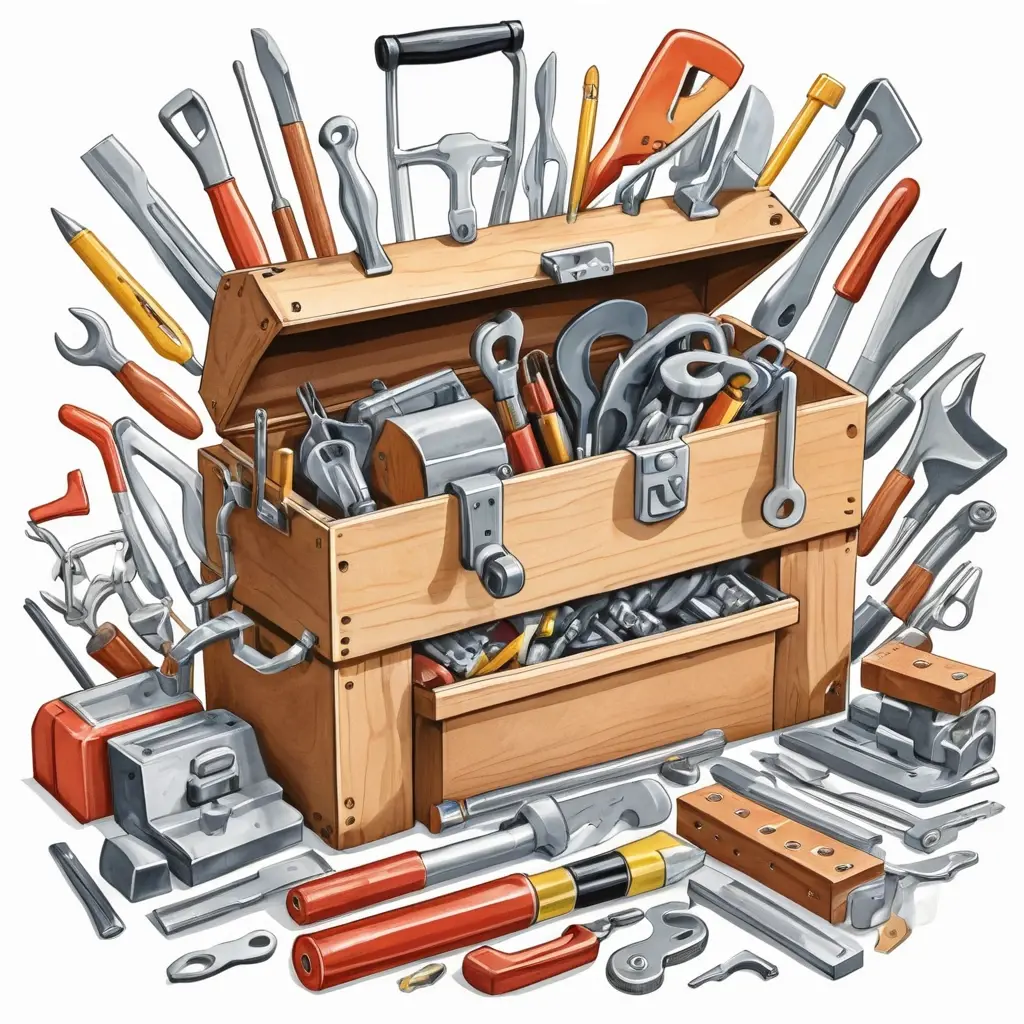
If you’re handy, building a custom toolbox from scrap materials or repurposed items can be highly cost-effective. You can tailor the compartments to your specific tools and needs.
Alternatively, basic plastic or metal toolboxes found at hardware stores are affordable and ready to use. Look for ones with compartments or adjustable trays for better organization.
Additional Tips for Creating a Versatile Collection
- Supplement core tools with specialized items as needed – e.g., a paint scraper or soldering iron.
- Invest in quality insulation and safety gear, such as gloves and goggles, for safe working conditions.
- Keep a small toolkit dedicated to emergencies or quick fixes—this prevents constant disassembly of your main collection.
Maintaining Your Tools for Longevity
Proper maintenance extends the lifespan and preserves the accuracy of your tools. Regular cleaning, lubrication, and appropriate storage are vital.
For example, wiping down metal tools after use prevents rust. Using oil on adjustable parts keeps them moving smoothly. Store tools in a dry, organized space to avoid damage and loss.
Expert Advice and Recommendations
“Always buy the best quality tools you can afford, especially for items you’ll use frequently. In the long run, investing in quality saves money and frustration.”
My personal recommendation is to start with a basic set of high-quality essentials, then expand your toolkit gradually based on your projects. Budget-friendly doesn’t have to mean low quality—smart choices and careful shopping make all the difference.
Conclusion
Building a versatile toolbox with budget-friendly tools and quality materials is a pragmatic approach that combines cost savings with practical durability. By strategically selecting core tools, opting for multi-functional items, and investing in durable storage, you create a reliable resource for all your home repair and DIY needs. Regular maintenance and smart organization further enhance your toolkit’s lifespan and efficiency. Whether you’re just starting or upgrading your collection, these tips will help you assemble a versatile, cost-effective toolkit that serves you well for years to come.
Q1: How do I choose the most essential tools for my DIY toolkit?
A1: Focus on core tasks such as basic carpentry, electrical, and plumbing projects. Essential tools include screwdrivers, claw hammers, pliers, measuring tape, and a level. Prioritize versatile and durable options for frequent use.
Q2: Are budget tools really reliable enough for regular use?
A2: Yes, especially if you select well-reviewed brands known for their durability. Investing in quality-budget-friendly tools can ensure longevity and performance without overspending. Always check reviews and product specifications before purchasing.
Q3: What materials are best for building my own tool storage?
A3: Recycled plastic, plywood, or sturdy cardboard can work well for DIY storage solutions. Use organizers like magnetic strips, small containers, and adjustable compartments to keep your tools tidy and accessible.
Q4: How should I care for my tools to ensure they last?
A4: Clean tools after each use, apply lubricant to moving parts, and store them in a dry, organized space. Regular inspection and maintenance prevent rust and damage, extending their lifespan.