


Understanding Composting: What Is It and Why It Matters
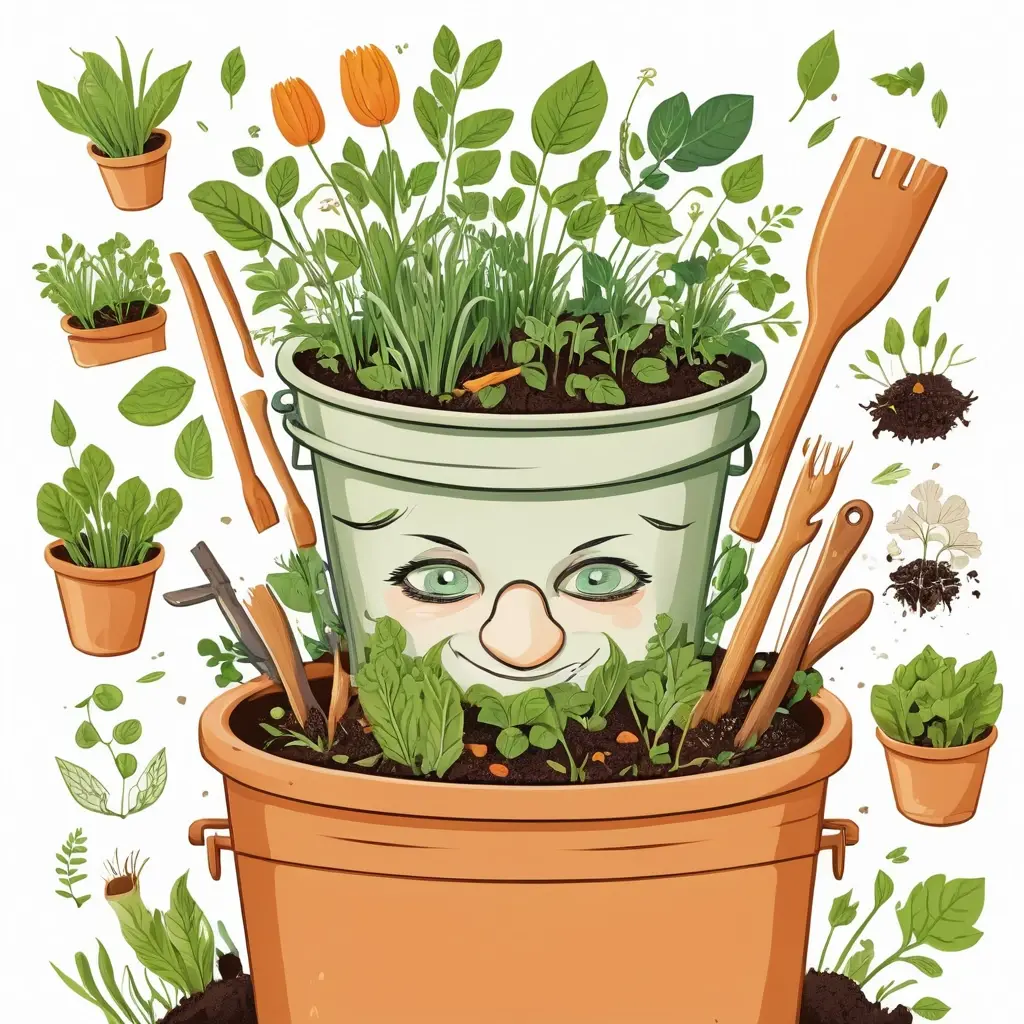
Composting is the natural process of recycling organic waste into nutrient-rich soil amendments known as compost. This process mimics nature’s way of breaking down plant and food residues, transforming them into a valuable resource for gardens, lawns, and indoor plants.
With more than 30% of household waste being compostable organic matter, effective composting not only reduces landfill space but also decreases methane emissions—potent greenhouse gases formed in anaerobic landfills. Moreover, compost enriches soil, improves plant health, and reduces the need for chemical fertilizers.
Adopting home composting can be an empowering step toward sustainable living, saving money on synthetic fertilizers, and cultivating a closer connection with nature. Whether you have a backyard or limited space indoors, understanding the basics ensures your composting journey is successful and rewarding.
Getting Started: Essential Tools and Materials
Basic Equipment Needed
- Compost Bin or Pile Space: A dedicated container or a designated outdoor spot.
- Pitchfork or Garden Fork: For turning and aerating the compost.
- Water Source: To maintain moisture levels.
- Gloves: To keep hands clean and protected.
Materials to Compost
Successful composting relies on a balanced mix of “greens” and “browns.”
| Greens (Nitrogen-Rich) | Browns (Carbon-Rich) |
|---|---|
| Fruit and vegetable scraps | Dry leaves, straw |
| Grass clippings | Cardboard, paper |
| Coffee grounds | Twigs, shredded paper |
| Eggshells | Wood chips |
Striking the right balance—roughly 2 parts browns to 1 part greens—ensures efficient decomposition and prevents odors.
How to Build and Maintain Your Compost
Step-by-Step Composting Process
- Create a Base Layer: Start with coarse materials like twigs or straw to facilitate airflow at the bottom of your bin or pile.
- Add Green and Brown Layers: Alternate layers of greens and browns, adding small amounts of soil or finished compost to introduce beneficial microbes.
- Maintain Moisture: Keep the compost moist but not soaked—aim for a sponge-like consistency.
- Turn Regularly: Use a pitchfork or compost turner to aerate, ideally every 1-2 weeks. This supplies oxygen necessary for microbes and speeds up decomposition.
- Monitor and Adjust: Watch the temperature with a compost thermometer; ideal temperatures are between 135-160°F (57-71°C). This heat kills pathogens and speeds breakdown.
Common Mistakes to Avoid
- Adding meat, dairy, or oily foods, which attract pests and cause odors.
- Neglecting aeration—stagnant compost can become smelly and decompose slowly.
- Overwatering or underwatering—keep moisture consistent for healthy microbial activity.
- Layering too much of one material—balance greens and browns for best results.
Signs of Healthy vs. Unhealthy Compost
Healthy compost is dark, crumbly, and earthy smelling. In contrast, foul odors or slimy textures indicate problems like anaerobic conditions or contamination. If your compost smells bad, turn it more frequently, ensure proper moisture, and add more browns to balance nitrogen-rich greens.
Temperature readings of 135-160°F (57-71°C) suggest active microbial fermentation. Warmer compost also efficiently kills weed seeds and pathogens, making your finished product safe and effective.
Using Your Finished Compost
Depending on climate and materials, compost can take from 3 months to 1 year to mature. Once your compost is dark, crumbly, and earthy, it’s ready to use.
Spread it around the base of plants, mix it into garden beds, or use it as potting soil amendment. Regular use improves moisture retention, provides essential nutrients, and encourages beneficial microbial activity in your soil.
Author’s Personal Advice and Tips
From my experience, patience is key—don’t rush the process. Consistently maintaining the right balance and turning your compost regularly yields the best results. And remember, even small-scale composting makes a significant environmental impact—every bin counts!
Conclusion
Composting at home is a simple, rewarding practice that benefits your garden, reduces waste, and helps the planet. By understanding the fundamental process, gathering the right tools, and maintaining your compost diligently, you can transform kitchen scraps and yard waste into a nourishing resource. Start small, stay consistent, and enjoy the satisfaction of creating your own rich, natural fertilizer. Happy composting!
Q&A Section
Q1: How long does it take for compost to be ready to use?
Typically, compost takes about 3 to 6 months to mature, depending on factors such as material balance, aeration, moisture, and temperature.
Q2: Can I compost all types of food scraps?
No, avoid adding meat, dairy, oily foods, or processed snacks as they attract pests and cause odors. Stick to fruits, vegetables, coffee grounds, eggshells, and plant matter.
Q3: How do I prevent smells and pests in my compost?
Ensure proper layering of greens and browns, maintain adequate aeration by turning regularly, and keep the compost moist but not wet. Covering the pile with a lid or mulch can also deter pests.
Q4: Is composting suitable for small spaces or indoors?
Yes, compact composting bins, worm bins, or bokashi systems are excellent options for small spaces or indoor environments. These methods reduce odors and allow you to compost effectively indoors.