



Achieving a Clutter-Free Home: The Essential First Steps
Maintaining a clutter-free home may seem overwhelming at first glance, but breaking it down into manageable steps makes the process achievable and even enjoyable. The initial phase involves assessing your current space, identifying clutter hotspots, and setting clear, realistic goals. Take a moment to walk through each room and note areas that tend to accumulate clutter, such as countertops, closets, or under the sink.
Effective decluttering begins with mindset. Pivot your perspective from viewing clutter as a nuisance to considering it as a chance to create a more organized, calming environment. Remember, the goal isn’t perfection but functionality and peace of mind. Setting a timeline—like dedicating 15-30 minutes daily or a weekend for a thorough declutter—helps maintain focus and progress without feeling overwhelmed.
Practical Strategies for Effortless Decluttering
1. The “Three-Box” Method
This tried-and-true technique involves categorizing items into three boxes labeled “Keep,” “Donate/Sell,” and “Discard.” As you go through each room, make quick decisions to reduce emotional attachment and prevent overthinking. For example, if you haven’t used a kitchen gadget in a year, it likely belongs in the donate or discard box.
Implementing this method regularly prevents clutter from accumulating again. For instance, scheduling monthly “declutter sessions” using the three-box system can maintain order dynamically and efficiently.
2. Prioritize Daily Maintenance
Minimal effort decluttering doesn’t mean constant deep cleaning—it emphasizes daily routines that prevent clutter from taking hold. Simple habits such as returning items to their designated spots, wiping down surfaces after use, and doing a quick tidy-up at the end of each day can significantly reduce clutter over time.
Creating a “15-minute nightly tidy” playlist can gamify and motivate these habits. According to a 2022 survey, households that maintain brief daily cleaning routines are 60% more likely to stay clutter-free long-term.
Innovative Tools and Systems for a Clutter-Free Home
Use of Storage Solutions
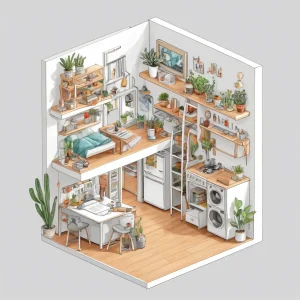
- Vertical Storage: Shelves and wall-mounted organizers maximize space and reduce clutter on surfaces and floors.
- Multi-Functional Furniture: Ottomans with hidden compartments, fold-away beds, and expandable tables blend functionality with storage.
- Clear Bins and Labeling: Transparent containers with clear labels simplify finding and returning items, which encourages ongoing organization.
Implementing these solutions transforms chaotic spaces into neat, accessible zones. For example, a well-organized closet with labeled boxes can reduce outfit decision time, saving mental energy and stress.
Digital Decluttering
In today’s tech-driven world, digital clutter can be just as overwhelming as physical mess. Regularly organizing files, unsubscribing from unnecessary emails, and deleting redundant apps can free mental space and improve productivity.
Set designated times weekly or monthly for digital decluttering, and use tools like cloud storage to keep important documents accessible yet out of sight, reducing desktop clutter and confusion.
Maintaining Your Clutter-Free Space with Minimal Effort
The key to sustaining a clutter-free home lies in establishing habits that integrate seamlessly into your daily routine. Schedule regular “declutter audits,” where you reassess storage needs and identify new clutter hotspots. Using visual reminders—such as sticky notes or digital alerts—can help keep organization top of mind.
My advice is to focus on simplicity and consistency. Small, daily actions compound over time and lead to long-lasting order with minimal stress. Remember, the goal isn’t perfection but creating a space that supports your lifestyle.
Additional Tips and Insights
- Adopt the “one-in, one-out” rule for possessions to prevent accumulation.
- Limit sentimental items; keep only those with significant emotional value.
- Involve family members or housemates to foster shared responsibility and accountability.
Conclusion
Creating a clutter-free home doesn’t require exhausting efforts or drastic changes. With practical strategies like the three-box method, daily maintenance routines, smart storage solutions, and digital organization, you can achieve and sustain a calm, orderly environment with ease. Remember, the process is iterative—allow flexibility and celebrate small wins. Your clutter-free home will not only enhance your living space but also improve your mental clarity and overall well-being. Start today, and enjoy the peace and simplicity that cleanliness brings.
Q1: How long does it typically take to declutter an entire home using these methods?
A: The timeline varies based on the size of your home and current clutter levels, but small spaces can be organized in a weekend, while larger homes may require several weeks with consistent effort.
Q2: What is the most common mistake people make when trying to declutter?
A: Many overthink decisions about what to keep, leading to analysis paralysis. Using quick decision-making techniques like the three-box method helps overcome this hurdle and keeps the process moving smoothly.
Q3: How can I stay motivated to maintain a clutter-free home long-term?
A: Establishing routines, setting achievable goals, and celebrating progress can boost motivation. Additionally, visualizing your ideal space and the benefits of a clutter-free environment reinforces your commitment.
Q4: Do I need to hire professional organizers to get started?
A: Not necessarily. Many effective decluttering strategies can be implemented independently. However, if your space is overwhelmingly cluttered or you feel stuck, professional organizers can provide tailored guidance and support.