

Why Upcycling Old Furniture is a Trend Worth Embracing
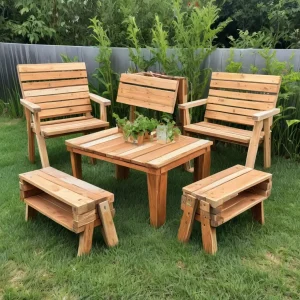
Upcycling old furniture has become more than a passing fad—it’s a sustainable, creative, and cost-effective way to breathe new life into tired pieces. According to a 2023 survey by the National Association of Home Builders, over 65% of homeowners prefer upcycled furniture because it uniquely blends style and environmental consciousness. Instead of discarding old chairs, tables, or cabinets, people are opting to transform them with simple yet innovative hacks that add character and increase value.
Moreover, upcycling contributes significantly to reducing landfill waste. The EPA estimates that furniture accounts for about 12% of all municipal solid waste in the US. By reimagining old furniture, you’re not only creating something beautiful but also actively helping the environment. The personal satisfaction and financial savings are bonuses.
Creative Paint Techniques to Revitalize Old Wood
One of the easiest and most impactful ways to transform old furniture is with paint. Beyond a simple coat, creative paint techniques such as distressing, color blocking, ombré effects, and stenciling can add depth and personality to a piece. For example, distressing involves sanding back layers of painted wood to reveal hints of the original finish, creating a charming vintage look that is highly sought after by interior designers.
Color blocking can modernize a dated dresser by painting drawers or panels in contrasting colors, giving each section distinct character. Additionally, applying chalk paint followed by a wax seal creates a matte and textured finish that can mimic antique furniture. According to a recent Etsy seller’s report, pieces with artisanal paint finishes can command prices 30–40% higher than unpainted or traditionally refinished furniture.
Step-By-Step: How to Distress Furniture Like a Pro
- Start by sanding the entire piece to remove old varnish or finish.
- Apply a base coat—darker colors work well for a layered look.
- Once dry, paint a lighter top coat over the base.
- After the paint dries, use sandpaper to rub areas naturally worn by use such as edges or corners.
- Finish with a clear wax or matte sealer to protect the finish without gloss.
Repurposing Hardware and Adding Unique Details
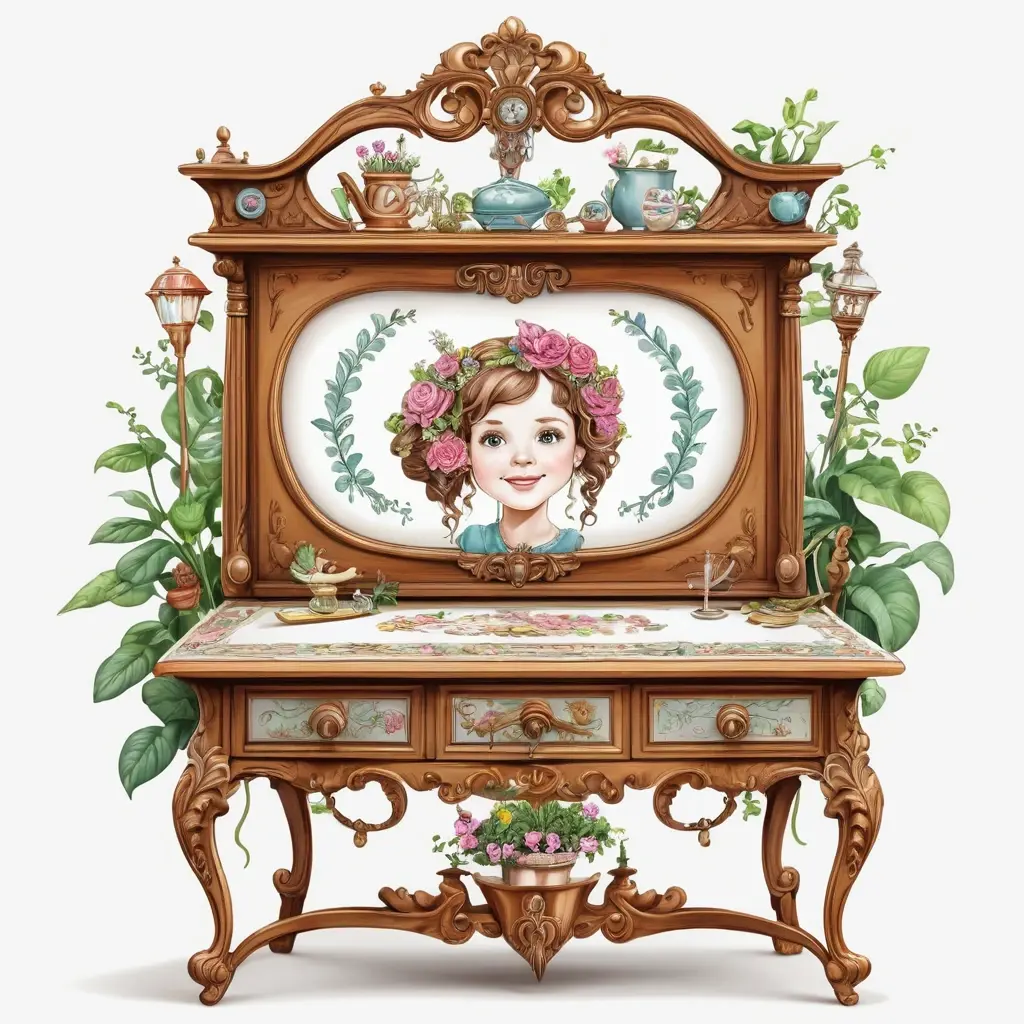
Repurposing old hardware like knobs, handles, and hinges can dramatically upgrade a piece and imbue it with storytelling charm. Vintage crystal or ceramic knobs found at flea markets, for instance, can replace generic ones on a dresser, instantly turning it into a statement piece. Adding brass or copper accents can also increase a furniture item’s appeal; the warm tones complement most décor styles and are currently trending in interior design.
Another clever hack is incorporating textiles—lining drawer interiors with patterned paper or fabric adds surprise character and protects the wood. Embellishments such as hand-painted motifs, decoupage, or even attaching decorative moldings can further transform a basic furniture item into a bespoke work of art.
Examples of Hardware Upcycling Success
| Furniture Piece | Original Hardware | Upcycled Hardware | Value Increase |
|---|---|---|---|
| Antique Side Table | Plain wooden knobs | Vintage glass knobs | +25% |
| Modern Cabinet | Basic metal pulls | Polished brass handles | +30% |
| Kitchen Drawers | Plastic handles | Ceramic patterned knobs | +20% |
Incorporate Mixed Materials for a Contemporary Edge
Combining materials such as wood, metal, glass, and fabric can create visually compelling furniture pieces that bridge classic and modern designs. For example, replacing a wooden tabletop with a slab of tempered glass or metal can instantly update an old coffee table. Using reclaimed wood with steel legs, a popular industrial look, can elevate a piece’s style while keeping it sturdy and functional.
This approach is especially useful for minimalistic or Scandinavian-style interiors where texture and material contrast make all the difference. Statistics from the Furniture Today 2024 trend report confirm that mixed-media furniture sales have increased by over 16% in the past two years, underscoring their appeal to contemporary consumers.
Tips for Combining Materials Successfully
- Choose complementary color palettes to maintain harmony—warm woods pair well with matte black metals.
- Ensure structural integrity—reinforce joints when adding heavier materials like glass or metal.
- Balance textures—soft fabric cushions work well with harder surfaces for comfort and contrast.
Personalizing with Artistic Flourishes: DIY Stencils and Decoupage
If you seek to add a truly personal touch, artistic techniques such as stenciling and decoupage open creative doors. Stencils allow even beginners to add patterns, shapes, or quotes to furniture surfaces with paint. Decoupage, the art of adhering paper cutouts with glue and sealant, can transform plain surfaces into colorful collages or vintage prints.
These methods are inexpensive and customizable, perfect for anyone aiming to showcase their personality and style. Enthusiasts report a strong emotional connection with their upcycled pieces, and such items become conversation starters in any room.
Conclusion
Upcycling old furniture using these creative hacks not only adds immense character and monetary value but also supports sustainability and personal expression. From advanced paint techniques and hardware upgrades to mixed-media designs and artistic flourishes, the possibilities are endless. With just a modest investment of time and materials, even beginner DIYers can transform forgotten furniture into treasured heirlooms.
Author’s Advice: Don’t shy away from experimenting! Some of the most unique upcycled pieces come from happy accidents and playful creativity. Take your time, gather inspiration from multiple sources, and remember that the story behind your furniture is what truly adds value.
Each piece you upcycle becomes a reflection of your style, ingenuity, and respect for the environment. Start your furniture transformation project today, and discover the joy of bringing the old back to life with a fresh, character-rich perspective.
- What are the benefits of upcycling old furniture?
- Upcycling conserves resources, reduces waste, saves money compared to buying new, and allows for customized, character-rich furniture that often has increased monetary and emotional value.
- Which paint techniques work best for upcycling?
- Distressing, chalk paint finishes, color blocking, ombré effects, and stenciling are popular paint techniques that add depth and personality to furniture.
- How can hardware upgrades add value to furniture?
- Replacing outdated knobs and handles with vintage or stylish hardware can significantly increase appeal and resale value, sometimes by 20-40%, while giving a furniture piece a unique look.
- What materials combine well for a modern upcycled look?
- Wood paired with metal (like brass or black steel), glass tabletops, and textile accents are trendy combinations that create a balanced and contemporary aesthetic.
- Is upcycling suitable for beginner DIYers?
- Absolutely! Many upcycling techniques are beginner-friendly, especially painting and simple hardware swaps, making it accessible to all skill levels with some patience and creativity.