


Uncover Hidden Smartphone Shortcuts to Maximize Efficiency
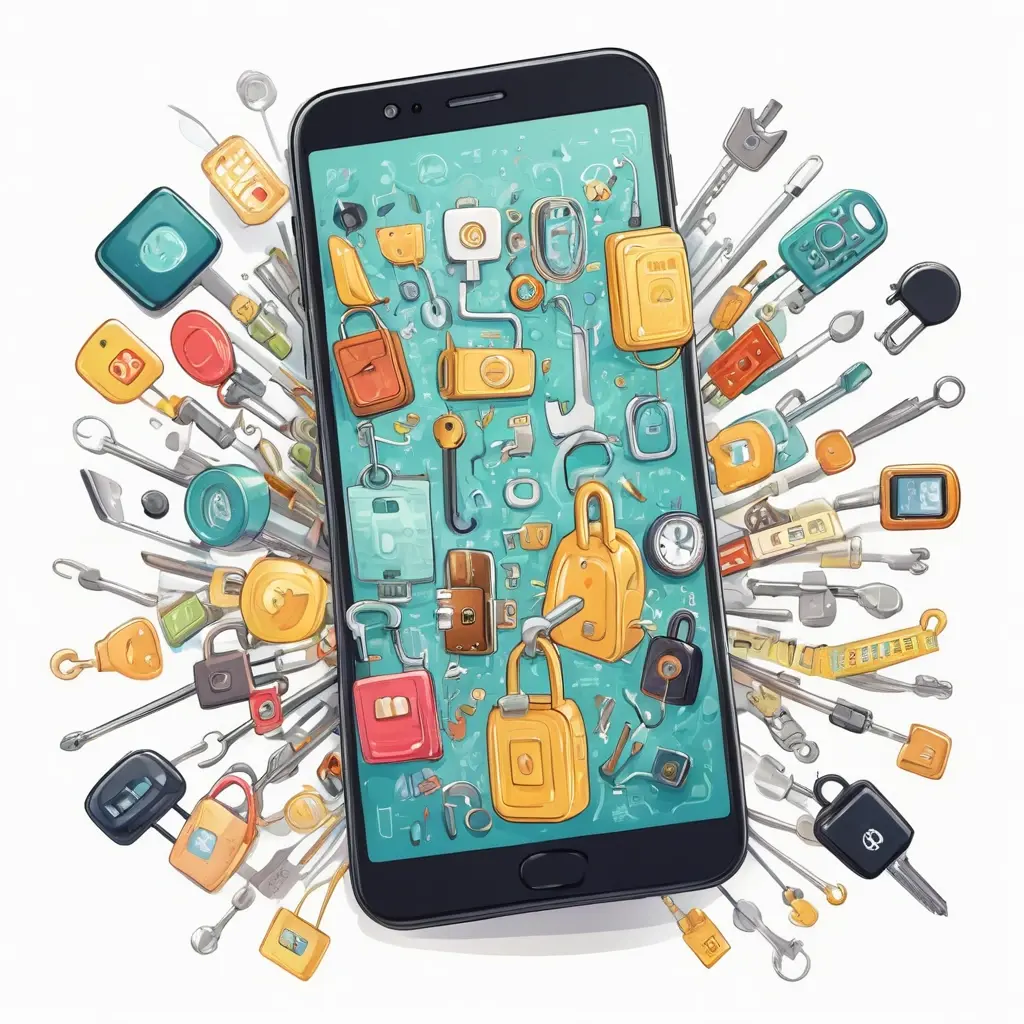
Smartphones are packed with features designed to make our lives easier, yet many users remain unaware of the powerful shortcuts hidden within their devices. Unlocking these features can significantly speed up daily tasks, improve workflow, and save precious time. Whether you’re using an Android or an iPhone, mastering these tips will elevate your smartphone experience to a new level.
Custom Gestures and Swipes for Faster Navigation
Many smartphones support custom gestures that can streamline navigation and perform complex actions with simple swipes or taps. For instance, Android devices often allow you to assign specific gestures for launching apps, opening the camera, or toggling settings. Similarly, iPhones provide shortcuts like swipe gestures for multitasking.
For example, on Android, enabling a swipe from the edge of the screen can act as a shortcut to open a favorite app or toggle a setting. On iPhones, users can utilize the AssistiveTouch feature to create custom gestures, such as triple tap to activate specific functions. These small adjustments can cut down on time spent navigating menus and improve overall efficiency.
Utilize Built-in Quick Actions and Notification Shortcuts
Both Android and iOS offer quick actions within notifications that allow you to perform tasks directly without opening apps. For example, a notification from a messaging app may give you options to reply, mute, or mark as read instantly. Mastering these can greatly speed up communication and organization.
On Android, long-pressing app icons reveals quick shortcuts; for example, pressing the camera app icon might offer options for selfie mode, record video, or open the gallery. On iOS, 3D Touch or Haptic Touch provide similar quick action menus. Taking advantage of these shortcuts enables you to skip unnecessary steps and work more efficiently.
Automate Routine Tasks with Shortcuts and Automation Apps
Automation is a game-changer for productivity. Using apps like Tasker on Android or Shortcuts on iOS, you can set up routines that run automatically based on conditions like location, time, or event triggers. For example, you can create a shortcut that turns off Wi-Fi and opens your favorite playlist when you arrive home.
| Task | Android (with Tasker) | iOS (with Shortcuts) |
|---|---|---|
| Start morning routine | Open news, weather, and calendar apps automatically at 7 AM | Send a message to family, start playlist, and set Do Not Disturb mode at 7 AM |
| Enable silent mode during meetings | Detect calendar event and silence phone when a meeting starts | Detect location and enable silent mode when arriving at work |
Implementing automation can save you minutes or even hours each week, freeing up your time for more meaningful activities.
Optimize Multitasking with Split Screen and Floating Windows
Multitasking capabilities have become vital for productivity on mobile devices. Android’s split-screen feature allows you to view and operate two apps simultaneously, perfect for comparing information or copying data between apps. Some newer Android devices support floating windows, enabling even more flexible multitasking.
Although iOS traditionally limited multitasking to iPads, recent updates have introduced features like Picture-in-Picture (PiP) mode, allowing video calls or videos to run in a small floating window while using other apps. Mastering these multitasking shortcuts helps you handle multiple tasks seamlessly, saving time and improving workflow.
Shortcut Widgets and Home Screen Customization
Another effective way to access functions quickly is by customizing your home screen with shortcut widgets. These widgets can launch specific actions, apps, or features with a single tap, reducing navigation time significantly.
For example, you can place a weather widget that updates in real-time, or a shortcut widget that activates your favorite smart home scene. Both Android and iOS allow you to add widgets tailored to your daily routines, helping you reach tools and information faster.
My advice: Spend some time customizing your home screen and exploring hidden gestures—these small adjustments can lead to big productivity gains over time.
Conclusion
Discovering and utilizing hidden shortcuts on your smartphone can transform your digital habits, making daily tasks quicker and more streamlined. From custom gestures to automation and multitasking enhancements, these tips are designed to help you work smarter, not harder. Embrace these features gradually and tailor them to fit your specific needs. Over time, you’ll find yourself saving time, reducing stress, and enjoying a more efficient mobile experience.
Q1: Are hidden shortcuts available on all smartphones?
A1: Most modern smartphones, whether Android or iOS, offer hidden shortcuts, gestures, or automation features. However, the availability and implementation may vary depending on the device model and operating system version.
Q2: How can I learn more about custom gestures on my device?
A2: Check your device’s user manual, explore the accessibility settings, or search online for tutorials specific to your device model. Many manufacturers also offer dedicated apps or forums to help customize gestures.
Q3: Are automation apps safe to use?
A3: When used from reputable sources and with proper permissions, automation apps like Tasker or Shortcuts are safe. Always review app permissions carefully and avoid automations that require sensitive data unless you trust the app developer.
Q4: How much time can I save by using these shortcuts?
A4: The time saved varies depending on your usage frequency and the shortcuts implemented, but many users report saving several minutes daily, which adds up to hours over weeks and months.