


Understanding the Need for Budget-Friendly Alternatives
In today’s competitive and economically conscious environment, many individuals and small businesses seek ways to reduce costs without compromising on quality. High-end tools and premium materials often come with a hefty price tag, making them inaccessible for many. However, with a bit of ingenuity and knowledge, you can find effective alternatives that save you money while still delivering professional results.
It’s essential to recognize that not all expensive tools are necessary for every task. Often, basic functions can be performed efficiently with more affordable options. By exploring budget-friendly alternatives, you open the door to greater flexibility, increased productivity, and cost savings that can be reinvested into other areas of your work or business.
Identifying Costly Tools and Materials
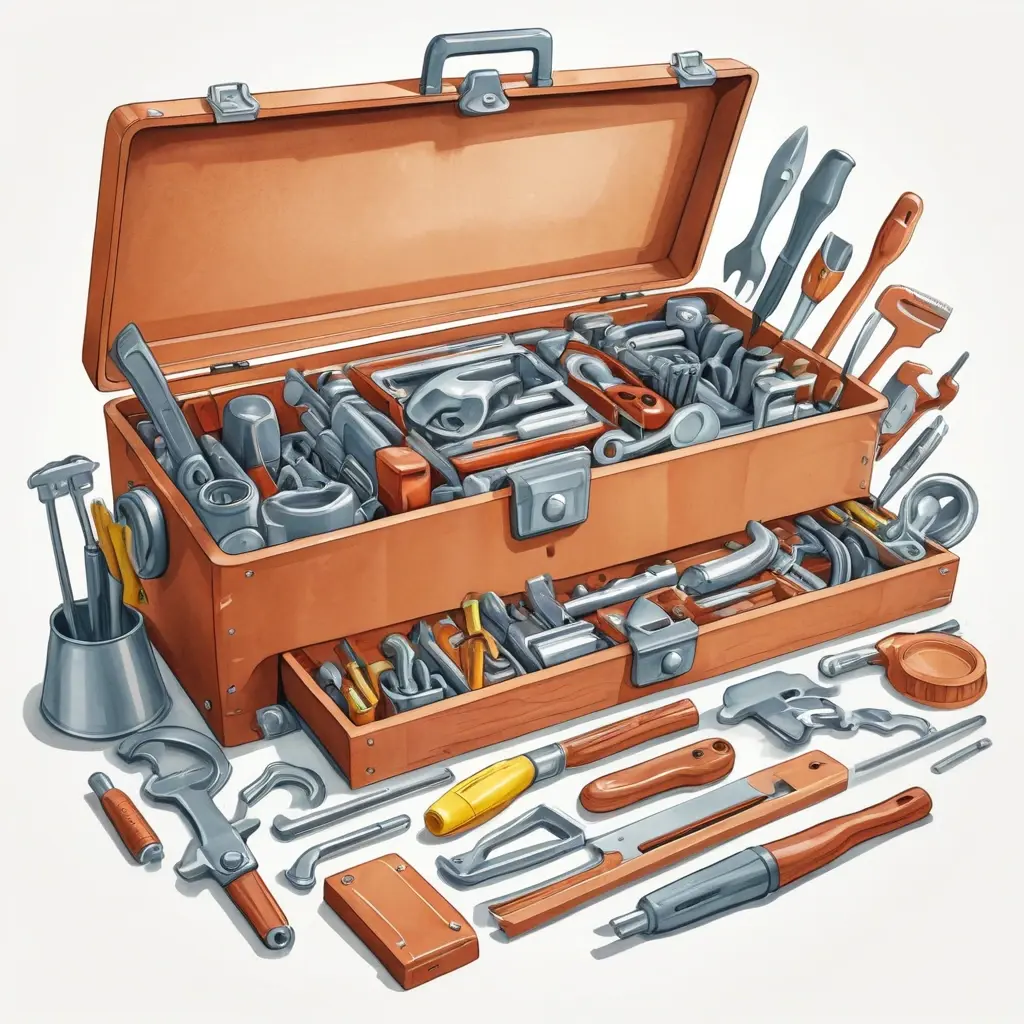
The first step in finding affordable options is identifying which tools and materials are the most expensive and whether they are indispensable. Common costly items include specialty power tools, high-grade lubricants, premium paints, or specialized hardware. Conducting a task-by-task analysis can reveal opportunities for substitution.
For example, in woodworking, high-end routers are expensive, but a versatile set of hand tools or affordable power tools can often do the same job. In digital work, professional-grade software might be replaced by free or open-source options that cover most functionalities needed for everyday projects.
Smart Substitutions for Popular Expensive Tools
Power Tools
- Brand Alternatives: Instead of opting for top-tier brands, look for reputable mid-range or local brands that offer similar performance at a fraction of the cost. For instance, Chinese or European brands often produce reliable tools at lower prices.
- Manual Tools: For certain tasks, traditional hand tools (like hand saws and screwdrivers) can substitute for power tools, especially for small projects or delicate work.
- Refurbished or Used Equipment: Buying refurbished tools or secondhand equipment from trusted sources can yield high-quality items at a significant discount.
Materials
- Generic or Store Brands: Many major brands have store-brand equivalents that perform just as well. For paints, adhesives, or hardware, store brands often provide the same durability at half the price.
- Recycled or Repurposed Materials: Reclaimed wood or recycled metal can replace new, expensive materials in construction, art, or DIY projects.
- Bulk Purchasing: Buying in bulk reduces the unit cost of materials significantly, making premium materials more affordable in the long run.
DIY Approaches and Creative Solutions
Using Household Items as Alternatives
Sometimes, everyday household items can stand in for specialized tools or materials. For example, old credit cards or plastic spatulas can replace spatula blades in certain applications. Baking pans can be used as templates or molds, and even canned foods can substitute for weights in certain situations.
Such creative adaptations not only save money but also enhance your problem-solving skills and resourcefulness, which are invaluable traits in any project or professional setting.
Repurposing and Upcycling
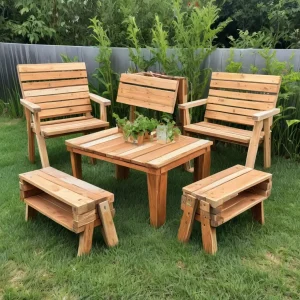
Upcycling is an excellent way to create usable tools or materials from discarded items. For example, an old bicycle wheel can serve as a base for a DIY stand or a weight holder. Wooden pallets can be transformed into furniture or storage solutions, reducing the need to buy new materials.
This approach promotes sustainability and cost savings and often results in one-of-a-kind, personalized items that set your work apart.
Examples and Statistics
| Tool/Material | Typical Cost | Affordable Alternative | Savings Estimate |
|---|---|---|---|
| Professional Power Drill | $150-$300 | Mid-range or refurbished drill | 40-60% |
| High-End Exterior Paint | $50/gallon | Store-brand or recycled paint | 30-50% |
| Specialized Hardware Set | $80+ | Generic hardware or repurposed materials | 50% or more |
Statistics indicate that consumers who adopt alternative solutions can save up to 50% on essential tools and materials annually, enabling reinvestment in other project areas or further savings.
Author’s Advice and Final Tips
In my experience, the key to successfully navigating budget constraints is creativity and resourcefulness. Don’t be afraid to think outside the box and consider DIY or recycled options. Always prioritize safety and check the quality of alternatives before committing. With some patience and ingenuity, you can achieve professional-grade results without the hefty price tag.
Remember, quality does not always equate to cost. Many budget-friendly alternatives are just as reliable and durable if chosen carefully. By doing a little research and being open to unconventional solutions, you’ll not only save money but also develop skills and confidence that serve you well in all your projects.
Conclusion
Cost-effective substitutes for expensive tools and materials are not only accessible but often beneficial in fostering ingenuity and resourcefulness. By exploring brand alternatives, DIY solutions, upcycling, and strategic purchasing, you can maintain high standards of quality and efficiency without overspending. Embracing a creative mindset will help you maximize your budget, improve your skills, and achieve your project goals with confidence.
Ultimately, smart substitutions and a proactive attitude towards resourcefulness can open new doors for innovation and cost-savings, making your work both affordable and impressive.
Q1: Are budget alternatives truly reliable for professional projects?
A1: Yes, with proper research and selection, many affordable tools and materials can perform reliably for professional use. Reputable brands, refurbished items, and DIY solutions are often as durable and effective as their expensive counterparts, especially for standard tasks.
Q2: How can I ensure the safety and quality of budget-friendly materials?
A2: Always check reviews, certifications, and safety standards before purchasing. Test new tools on small projects first, and prioritize trusted brands or secondhand items from reputable sources. Proper maintenance and safety precautions are essential regardless of cost.
Q3: What are some common pitfalls when choosing cheaper alternatives?
A3: Common issues include reduced durability, lower performance, or compatibility problems. Be cautious of extremely low prices that seem too good to be true, and avoid sacrificing essential safety features or quality standards. Balance cost savings with reliability.
Q4: Can you provide examples of upcycled materials for tools or building projects?
A4: Certainly! Old bicycle wheels can serve as rotating bases for DIY stands, pallets can be transformed into furniture, and discarded jars or cans can be used for storage or as molds. Upcycling fosters creativity while reducing expenses.
Q5: What tips do you recommend for sourcing affordable tools and materials?
A5: Look for refurbished items, buy from local auctions or secondhand stores, join online community groups for swaps, and consider generic or store-brand products. Planning purchases, buying in bulk, and remaining patient can also lead to significant savings.