

Choosing the Right Tools and Materials for Gardening on a Budget: A Complete Guide
Understanding Your Gardening Needs
Before diving into purchasing tools and materials, it’s essential to assess your specific gardening needs. Are you maintaining a small flower bed, cultivating vegetables, or managing a large landscape? The scope of your project will determine the types and quantities of tools required. For beginners or those working with limited space, simpler and versatile tools may suffice, whereas larger gardens might demand more specialized equipment.
Evaluating your goals helps avoid unnecessary expenses and ensures you invest in the right items. For example, if you plan to grow herbs on a windowsill, small hand tools and containers are sufficient. Conversely, vegetable gardening on a larger scale might require pruning shears, watering systems, and soil amendments. Knowing your needs allows for more targeted shopping, saving money and space.
Essential Budget-Friendly Gardening Tools
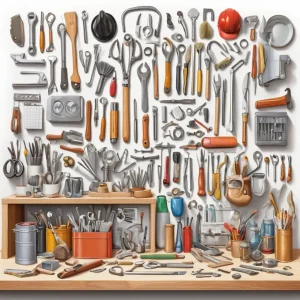
Basic Hand Tools
- Trowel: Ideal for transplanting, planting, and digging small holes.
- Pruning Shears: Necessary for trimming plants and preventing disease.
- Gardening Gloves: Protect hands during soil work and pruning.
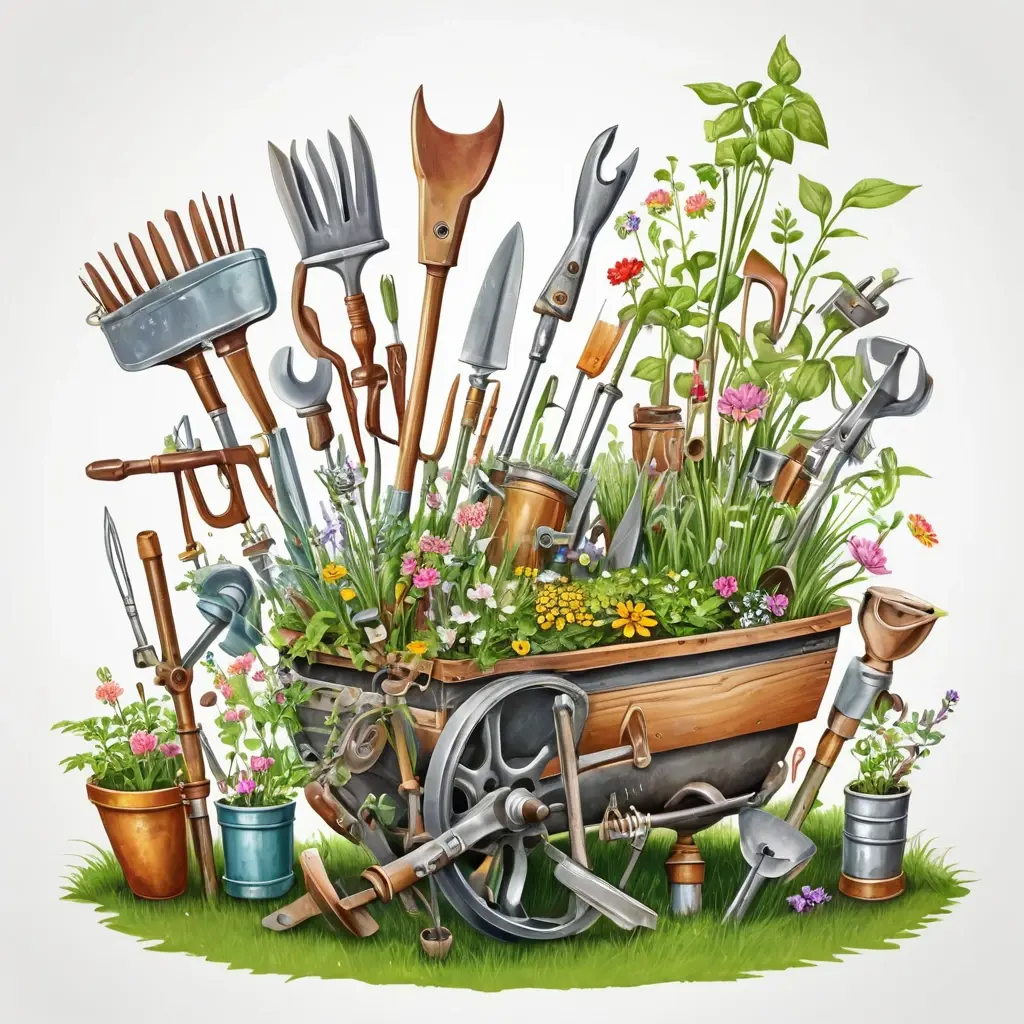
Rather than opting for expensive brands, look for durable, stainless steel tools with comfortable grips. Many budget-friendly options in hardware stores or online are sufficient for regular use. Investing in a small set of these basics can cover most gardening tasks.
Additional Items
- Watering Can or Hose: Choose a lightweight, durable watering can for small gardens or a flexible hose with a nozzle for larger areas.
- Weeding Tools: Hand weeders or hoe tools help maintain a tidy garden without breaking the bank.
Many of these tools can be found secondhand or at discount stores, often in excellent condition. Its quality contributes to ease of use and longevity, so don’t compromise on comfort.
Affordable Materials and Supplies
Soil and Compost
Good soil is fundamental for plant health. Instead of expensive commercial mixes, consider creating your own compost or sourcing local, affordable soil amendments. Composting kitchen scraps and yard waste can produce nutrient-rich compost at no cost, reducing your need for bought fertilizers.
Statistics show that homemade compost can improve soil fertility by up to 25%, resulting in healthier plants and better yields, especially when mixed with affordable, locally available soil.
Seed Selection and Planting
- Buy in Bulk or Packs: Purchasing seeds in larger quantities or varieties in seed packets often reduces cost per plant.
- Opt for Native Plants: Native species are typically easier to grow and maintain, requiring less water and fertilizer, saving money in the long run.
Utilize seed-starting trays or repurpose recyclable containers like egg cartons and cardboard pots to germinate seedlings at minimal cost, thus cutting nursery expenses.
DIY and Upcycling Ideas
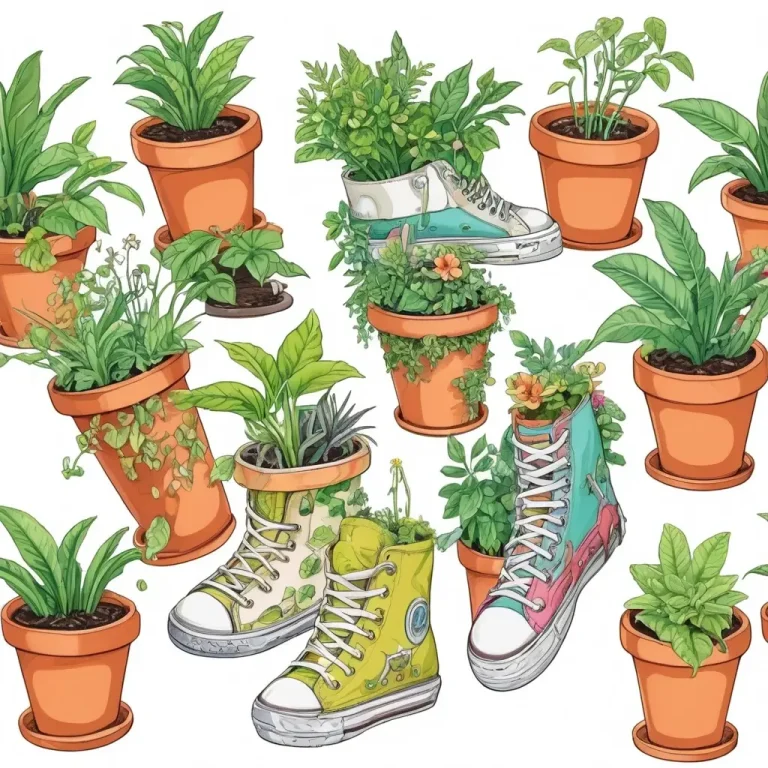
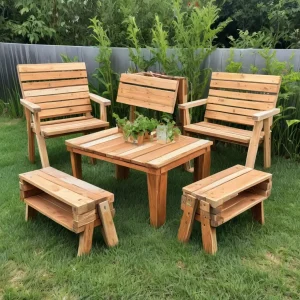
Innovation is key to saving money and reducing waste. You can create your own garden markers using reclaimed wood or old cutlery. Repurpose household items like buckets and tires for planting beds. Not only does this save money, but it also adds a unique, personalized touch to your garden.
For example, using plastic bottles as watering spouts or drip irrigation can drastically reduce costs, and tutorials are plentiful online. Upcycling not only saves money but promotes sustainable gardening practices.
Tips for Saving Money While Gardening
- Buy Secondhand: Consider thrift stores, garage sales, or online marketplaces for good-quality used gardening tools.
- Share Resources: Organize garden tool swaps or seed exchanges within a community or neighborhood.
- Plan Your Garden: Proper planning reduces wasted resources and prevents impulsive purchases.
Author’s opinion:
“Patience and research are your best friends when gardening on a budget. Focus on quality over quantity, and you’ll cultivate a thriving garden without breaking the bank.”
Conclusion
Gardening on a budget is entirely achievable with thoughtful planning, smart purchasing, and a DIY mindset. Prioritize versatile, durable tools and quality materials that fit your specific needs. Embrace upcycling and local sources to cut costs further while fostering sustainable practices. Remember, successful gardening does not depend on expensive equipment but on your care, creativity, and resourcefulness. Start small, learn as you go, and enjoy the process of growing your community’s beauty and bounty without overspending.
Happy Gardening!
Q1: What are the must-have gardening tools for beginners on a budget?
A1: Basic hand tools such as a trowel, pruning shears, and gardening gloves are essential. These are affordable, durable, and versatile for most gardening tasks.
Q2: How can I grow plants cheaply at home?
A2: Use homemade compost, repurpose containers, and start seeds in recycled materials. Buying seeds in bulk and selecting native plants also reduces costs significantly.
Q3: Are expensive gardening tools worth the investment?
A3: Not necessarily. For most beginner or hobbyist gardening, affordable tools that are durable and well-maintained work just as well. Save your budget for gardening essentials that will get regular use.
Q4: How do I find quality secondhand gardening supplies?
A4: Check local thrift stores, online marketplaces, or community swaps. Inspect tools for rust or damage and choose those with comfortable grips to ensure usability and longevity.
Q5: What are some eco-friendly DIY ideas for a budget garden?
A5: Create plant markers from reclaimed wood, build watering systems from recycled bottles, and use old tires or buckets as planters. These ideas reduce waste and add character to your garden.