




Introduction
Homeownership comes with its fair share of maintenance challenges. While some repairs require professional expertise, many common household problems can be tackled by homeowners themselves with simple tools and a bit of know-how. Not only does this save money, but it also fosters a sense of accomplishment and confidence in managing your living space.
This guide will walk you through quick, effective DIY fixes for the most frequent household issues, from leaky faucets to clogged drains, and even minor wall damages. With a bit of patience and the right instructions, you can resolve these problems swiftly and efficiently.
Basic Tools and Supplies for DIY Repairs
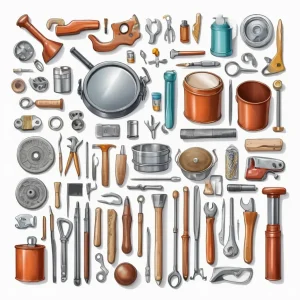
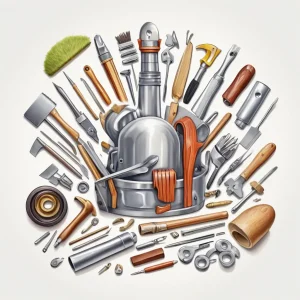
Before diving into repairs, it’s essential to assemble a basic toolkit. Having the right supplies on hand makes repairs easier and more efficient.
- Screwdrivers (flathead and Phillips)
- Adjustable wrench
- Pliers
- Plumber’s tape
- Caulk gun and silicone sealant
- Utility knife
- Cloth and cleaning supplies
- Replacement parts (e.g., washers, faucet aerators)
With these tools, you’re equipped to handle most minor household repairs effectively.
Fixing a Leaky Faucet
Identifying the Cause
A dripping faucet is not only annoying but can also increase your water bill significantly. The most common cause is worn-out washers or O-rings. Over time, these rubber components deteriorate, causing leaks.
Steps to Fix
- Turn off the water supply to the faucet.
- Remove the faucet handle using a screwdriver.
- Inspect the washer and O-ring for damage or wear.
- Replace any faulty parts with new ones.
- Reassemble the handle, turn the water back on, and check for leaks.
Tip: Regularly cleaning aerators and replacing worn parts can prevent leaks and extend the lifespan of your fixtures.
Unclogging Drains
Common Causes and Prevention
Clogged drains are one of the most frequent household complaints. Hair, soap scum, and debris accumulate over time, obstructing water flow. Preventative measures include using drain screens and avoiding pouring fats or oils down the drain.
Quick Fix Techniques
- Boiling water: Pour boiling water directly into the drain to dissolve minor buildup.
- Plunger: Use a cup plunger to loosen stubborn blockages by creating a vacuum seal.
- Drain snake or auger: Insert a drain snake to dislodge and retrieve stubborn debris.
- Chemical drain cleaners: Use as a last resort; follow manufacturer instructions carefully.
Note: Avoid frequent use of harsh chemical cleaners, as they can damage pipes over time.
Fixing Minor Wall Cracks and Holes
Assessment and Preparation
Small cracks and holes are typical in drywall and can develop due to settling or minor impacts. Filling and repainting is a straightforward process that restores your walls’ appearance.
Step-by-Step Repair
- Clean the area around the crack or hole.
- Use a putty knife to apply joint compound or spackle.
- Sand the repaired area smooth after drying.
- Apply primer and matching paint for a seamless finish.
Tip: For larger holes, insert a drywall patch before applying joint compound for a sturdy repair.
Dealing with Running Toilets
Diagnosing the Issue
A toilet that keeps running wastes water and increases your water bill. Common causes include a faulty flapper or fill valve.
DIY Solution
- Turn off the water supply to the toilet.
- Remove the tank lid and inspect the flapper for damage or misalignment.
- Replace or adjust the flapper if necessary.
- If the problem persists, check the fill valve and consider replacing it.
Advice from the author: Regularly inspecting and maintaining your toilet’s internal parts can prevent costly repairs and water wastage. It’s a simple, rewarding task that pays off in long-term savings.
Conclusion
Many household problems appear daunting at first glance but can often be fixed with basic skills, patience, and the right tools. DIY repairs not only save money but also give you a sense of accomplishment and a better understanding of your home’s mechanics. Remember, safety first—turn off water or power before working on any fixture. When in doubt, seek professional help, especially for complex electrical or structural repairs. Embrace these quick fixes and empower yourself to maintain a comfortable, well-functioning home.
Q&A Block
Q1: How do I know if a repair is safe to do myself?
A1: If the repair involves simple tasks like tightening fixtures, replacing washers, or unclogging drains, it’s generally safe. For electrical or complex plumbing work, consulting a professional is recommended to avoid hazards.
Q2: What are some common mistakes to avoid in DIY home repairs?
A2: Over-tightening fixtures, using incorrect tools or parts, ignoring safety precautions, and attempting repairs beyond your skill level can cause more damage or accidents. Always research thoroughly and use quality supplies.
Q3: How often should I perform basic maintenance to prevent household problems?
A3: Regular inspection and maintenance are advised quarterly. Check for leaks, clean drains, test smoke alarms, and inspect appliances to catch small issues early.
Q4: Is it worth buying professional-grade tools for home repairs?
A4: Yes, investing in durable, professional-grade tools can improve repair quality, last longer, and provide better safety. They can make even challenging tasks easier and more precise.
Q5: When should I call a professional instead of fixing it myself?
A5: If the repair involves complex electrical systems, structural elements, or gas lines, or if you’re unsure about safety, always hire a licensed professional to ensure proper and safe completion.