


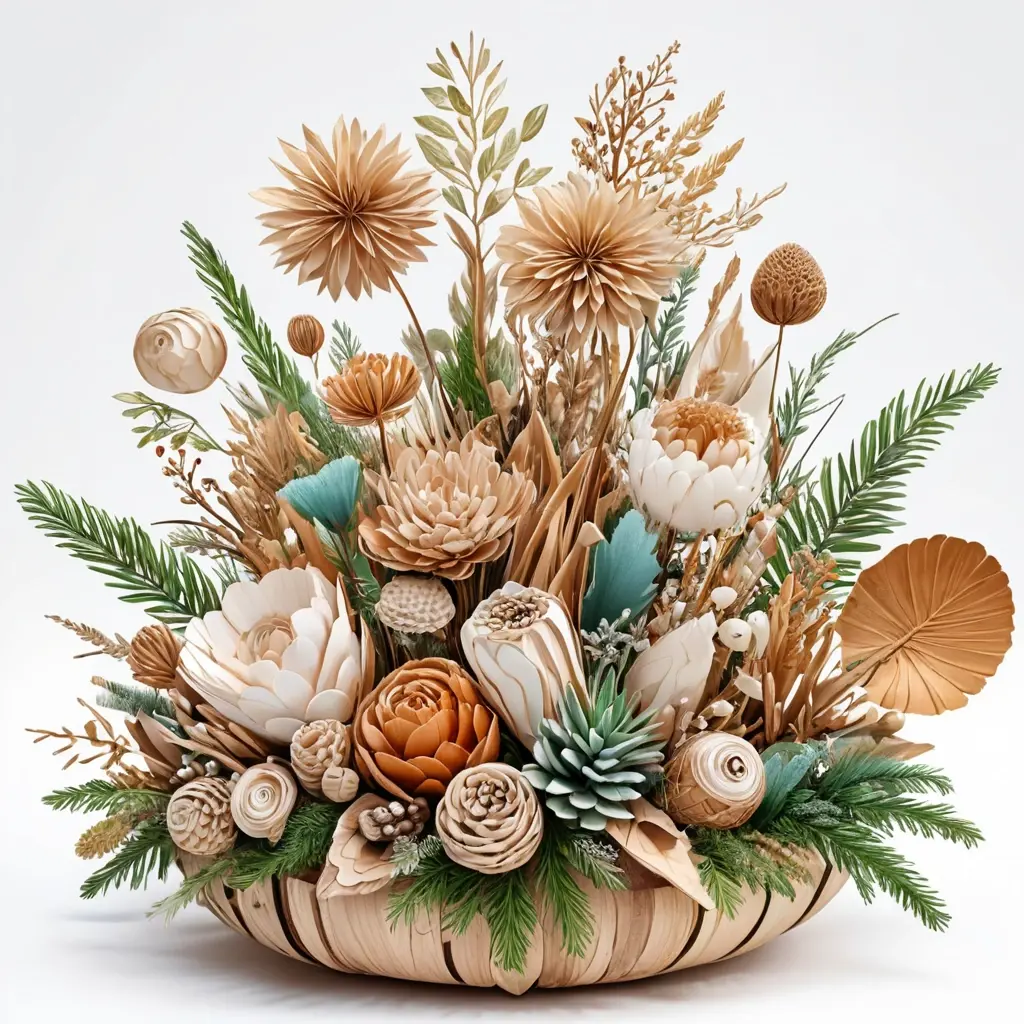
Creating Festive Centerpieces with Natural Materials and Seasonal Colors
When it comes to decorating for holidays and special occasions, nothing compares to the warmth and authenticity of centerpieces crafted from natural materials. Not only do these decorations bring a rustic charm and eco-friendliness to your space, but they also allow for personalized creativity tailored to each season’s colors and themes. Whether it’s a Thanksgiving dinner, Christmas celebration, or an autumn harvest gathering, natural elements paired with vibrant seasonal hues can transform any table into a captivating focal point.
Why Choose Natural Materials for Your Centerpieces?
Opting for natural materials like fruits, nuts, greenery, and twigs offers multiple benefits. Firstly, these elements are often readily available and inexpensive, making them accessible for everyone. Secondly, natural materials tend to be more environmentally sustainable, reducing the need for synthetic decorations that can harm the planet. Finally, they bring a tactile and sensory richness that synthetic items often lack, engaging sight, smell, and sometimes even touch.
Statistics show that eco-friendly decor options are increasingly popular — with a survey indicating that 67% of consumers prefer sustainable embellishments for their homes and events. Incorporating these elements into your centerpieces not only enhances aesthetics but also demonstrates a commitment to eco-conscious living.
Choosing Seasonal Colors for a Harmonious Look
Colors play a pivotal role in creating the mood and theme of your festive centerpiece. Each season offers a palette that, when used thoughtfully, can enhance the overall ambiance:
- Autumn: Deep oranges, warm browns, golden yellows, and rich reds.
- Winter: Crisp whites, icy blues, evergreen greens, and metallic gold or silver accents.
- Spring: Soft pastels like pinks, lavenders, mint greens, and gentle yellows.
- Summer: Bright and vibrant shades such as coral, turquoise, sunny yellow, and lush greens.
Mixing and matching these colors with natural materials can produce stunning visual effects. For example, pairing amber pumpkins with deep green foliage for autumn or using white pinecones with silver accents for winter creates a cohesive seasonal presentation.
Step-by-Step Guide to Craft Your Own Centerpieces
Materials Needed
- Seasonal fresh or dried flowers and foliage
- Fruits and vegetables (e.g., oranges, pomegranates, gourds)
- Nuts, pinecones, acorns
- Twigs, branches, or driftwood
- Candles (preferably eco-friendly)
- Vases, bowls, or rustic containers
- Natural embellishments like moss, bark, or stones
Creating a Natural Seasonal Centerpiece
- Choose a base: Select an appropriate container that complements your decor style. Rustic wooden boxes or simple glass bowls work well for a natural look.
- Build the foundation: Lay down moss or bark to create texture and cover any empty spaces inside the container.
- Add height and interest: Insert twigs, branches, or dried flower stems vertically or in a fan shape for structure.
- Add seasonal elements: Arrange fruits, nuts, or gourds among the greenery, balancing colors and textures.
- Incorporate candles: Place candles among the natural elements, ensuring they are stable and safe. Battery-operated candles are a great eco-friendly alternative.
- Finish with embellishments: Scatter pinecones, acorns, or stones around to add depth and interest.
Decorating Tips and Inspiration
For an autumn-themed centerpiece, combine mini pumpkins, dried hydrangeas, and cinnamon sticks, all in warm hues. In winter, evergreen sprigs, white berries, and frosted pinecones create a snow-kissed scene. Spring centerpieces might feature fresh tulips, cherry blossoms, and pastel-colored eggs, while summer displays could highlight bright florals, citrus fruits, and seashell accents.
My advice: Always balance the natural elements and keep the arrangement proportionate to your table size. Use contrasting textures and heights for visual interest, and don’t hesitate to experiment with different combinations to develop your signature style.
Maintaining Natural Decor
Natural centerpieces are generally low-maintenance but do require a few considerations. Keep floral and perishable elements fresh by misting them with water. Replace or refresh cut fruits and flowers as needed, especially for multi-day celebrations. For dried elements, store in a dry, cool place to prevent mold or deterioration. Properly disposed or composted natural wastes also contribute toward an eco-friendly lifestyle.
Conclusion
Crafting your own festive centerpieces using natural materials and seasonal colors is an enjoyable and rewarding activity that enhances any celebration. By selecting eco-friendly components and embracing seasonal palettes, you create unique decor that is both beautiful and sustainable. Plus, it allows you to express your creativity, personalize your space, and celebrate the changing seasons in a meaningful way. Your guests will surely appreciate the warmth and charm of your handcrafted arrangements, making your gatherings memorable and visually stunning.
Q1: How can I ensure my natural centerpiece stays fresh during a long event?
To prolong freshness, mist flowers and foliage regularly, use floral preservatives, and keep arrangements away from direct sunlight and heat sources. Incorporating faux elements or dried materials can also reduce the need for maintenance.
Q2: What are some eco-friendly alternatives to candles in centerpieces?
Battery-operated LED candles offer a safe and eco-friendly alternative to traditional candles. You can also use solar-powered lights or incorporate flickering lights powered by rechargeable batteries to add ambiance without waste.
Q3: Can I use artificial natural-looking materials for my centerpieces?
Yes, high-quality faux materials like silk foliage, faux berries, or molded fruits can be used for long-lasting decor. While they require no upkeep, authentic natural elements generally provide a more genuine look and feel.
Q4: How can I incorporate my personal style into natural centerpieces?
Mix different textures, colors, and materials to reflect your personality. Personal touches like family heirloom ornaments, handwritten tags, or themed enhancements can make your centerpiece truly unique.