


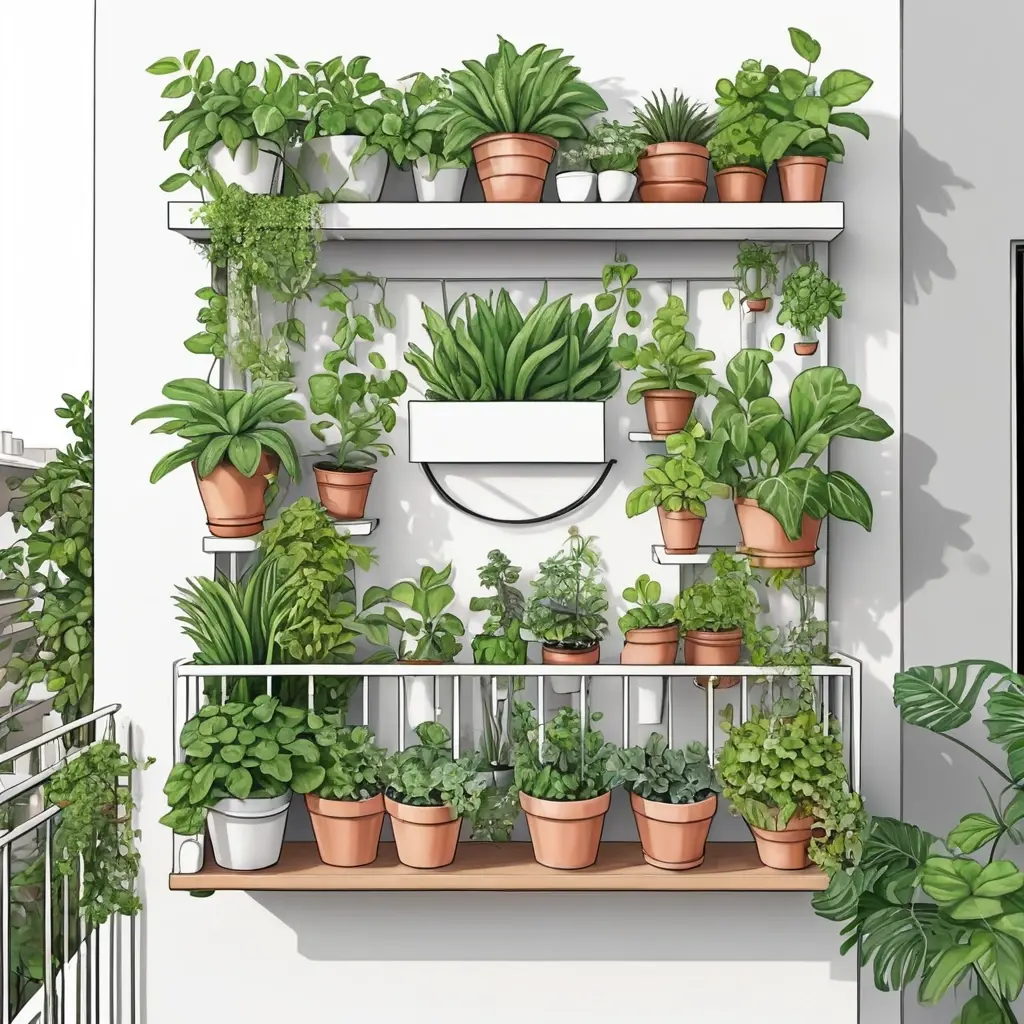
Transform Your Balcony with Space-Saving Vertical Garden DIY Projects
Maximizing Small Spaces with Vertical Gardening
Balconies often face limitations in space, which can hinder gardening ambitions. Vertical gardens emerge as an innovative solution to maximize greenery without sacrificing precious square footage. By growing plants upward instead of outward, you can transform an ordinary balcony into a vibrant oasis.
According to recent statistics, urban dwellers are increasingly turning to vertical gardening—growth in demand observed at a rate of 15% annually. This trend highlights the popularity and practicality of space-efficient gardening solutions in crowded cities. Whether you have a small apartment balcony or a spacious terrace, vertical gardens can be tailored to fit any size.
Essential Materials for DIY Vertical Gardens
Creating a DIY vertical garden involves gathering materials that are often easily repurposed or readily available. Common options include:
- Wall-mounted planters
- Hanging baskets
- Pocket plant holders made from fabric or plastic
- Wooden pallets
- PVC pipes or recycled containers
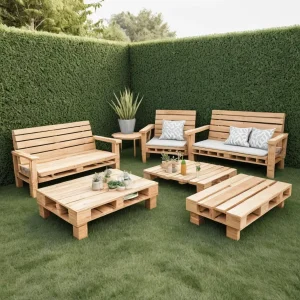
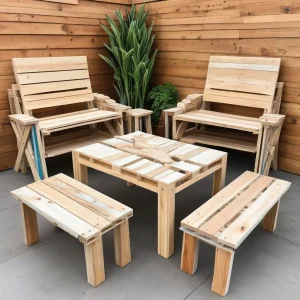
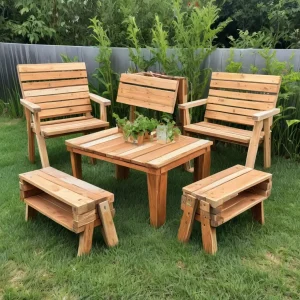
Using recycled materials not only reduces costs but also has a positive environmental impact. For instance, old pallets can be transformed into stylish plant holders, adding rustic charm to your balcony.
Step-by-Step Guide to Building Your Vertical Garden
Constructing a vertical garden involves a few simple steps:
1. Planning Your Layout
Decide which plants you want to grow and consider their sunlight, watering, and space needs. Map out the area to maximize coverage while maintaining easy access for maintenance.
2. Choosing the Right Structures
Select structures based on your plan—wall-mounted planters are ideal for minimalist spaces, while pallets are perfect for a rustic aesthetic. Ensure the supports are sturdy and weather-resistant.
3. Installing the System
Fix your planters to the walls or frame securely. Use brackets, hooks, or wire to hang or secure containers. For wooden pallets, reinforce structurally and add lining to prevent soil leakage.
4. Plant Selection
Opt for plants suited to your balcony’s sunlight exposure. For sunny spots, herbs like basil, thyme, and cherry tomatoes flourish. Shade-tolerant plants include ferns, pothos, and certain orchids.
5. Maintenance Tips
Ensure proper watering (consider drip irrigation systems), fertilization, and pruning to keep your vertical garden thriving.
Creative Vertical Garden Ideas to Inspire You
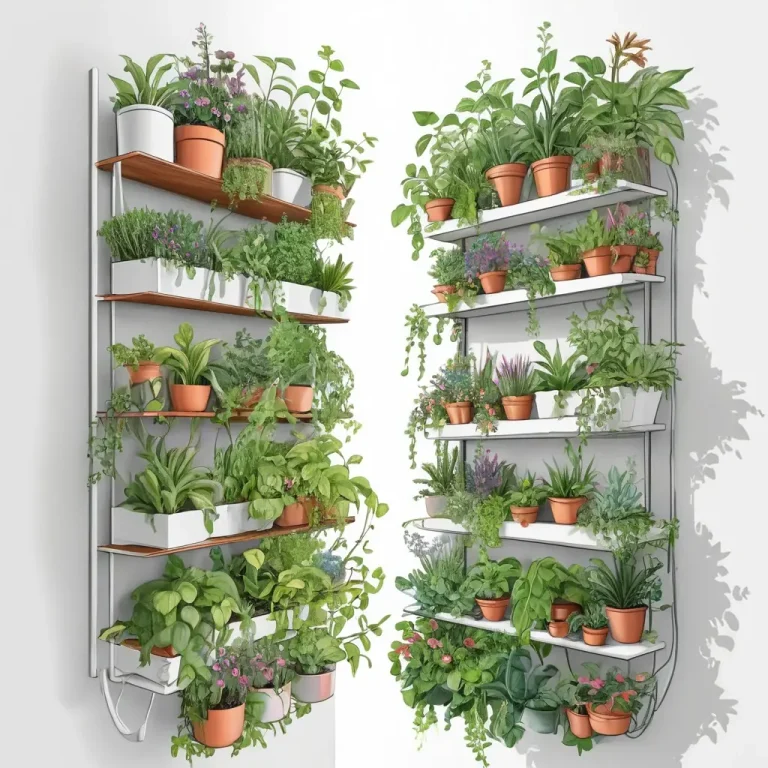
– **Herb Wall:** Grow fresh herbs in pocket planters attached to the wall, providing easy access for cooking.
– **Green Wall Frame:** Use a modular frame for a customizable arrangement of plants.
– **Upcycled Planters:** Incorporate recycled cans, bottles, or fabric pockets for an eco-friendly vibe.
– **Tiered Planting:** Combine hanging baskets with wall-mounted shelves to create layers of greenery.
– **Indoor-Outdoor Integration:** Extend greenery indoors by placing plants in windowsills or hanging containers.
Benefits of DIY Vertical Gardens
Apart from aesthetic appeal, vertical gardens offer numerous advantages:
– Air purification: Plants absorb pollutants, improving air quality.
– Temperature regulation: Green walls can insulate against heat and cold.
– Mental well-being: Green spaces reduce stress and promote relaxation.
– Food production: Edible plants provide fresh ingredients directly from your balcony.
– Cost efficiency: DIY projects are budget-friendly and customizable.
Expert Advice and Personal Opinion
“The key to a successful vertical garden lies in selecting the right plants for your environment and maintaining consistent care. Start simple—be patient and experiment. Over time, your balcony will become a lush, personalized retreat.” – Green Thumb Expert
Conclusion
Transforming your balcony into a green sanctuary is entirely achievable with space-saving DIY vertical garden projects. With minimal investment and creativity, you can blossom a small outdoor space into a thriving ecosystem that provides beauty, fresh produce, and a peaceful escape from urban hustle. Remember to plan carefully, select suitable plants, and enjoy the process of nurturing your personalized outdoor oasis. As urban spaces continue to shrink, vertical gardens stand out as an effective, sustainable, and inspiring way to bring nature into your daily life.
Q1: What are the best plants for a vertical balcony garden?
A1: The best plants depend on your balcony’s sunlight. For sunny spots, herbs like basil, mint, and cherry tomatoes thrive. Shade-tolerant options include ferns, pothos, and peace lilies. Choose lightweight, root-friendly plants for vertical planting to prevent damage.
Q2: How do I ensure proper watering in a vertical garden?
A2: Customize your watering approach based on plant needs. Installing drip irrigation systems or self-watering planters can help maintain consistent moisture levels. Also, check soil moisture regularly and avoid over-watering to prevent root rot.
Q3: Can I create a vertical garden on a rented balcony?
A3: Yes. Use removable mounting options like hooks, brackets, or lightweight planters that won’t damage surfaces. Choose non-permanent structures and plants that don’t require extensive modifications, making it easy to restore the balcony after your tenancy ends.
Q4: How can I make my vertical garden more eco-friendly?
A4: Recycle materials like pallets, cans, or fabric pockets. Choose organic soil and fertilizers. Grow native plants suited to your climate, reducing water and maintenance needs. Incorporate rainwater harvesting for sustainable watering.
Q5: How much does it cost to build a DIY vertical garden?
A5: Costs vary based on materials and size. Basic setups with recycled containers can start as low as $20-$50. More elaborate systems with customized structures may reach $150-$300. Planning ahead helps keep budgets in check while maximizing impact.