


Maximizing Your Budget with Essential Tools and Materials
Whether you’re just starting out or a seasoned professional, building an efficient toolkit without overspending is crucial. Quality tools can save you time, reduce frustration, and improve the outcome of your projects. This guide provides a comprehensive overview of essential tools and materials that deliver value for money, helping you make the most of your budget.
Understanding Your Needs Before Investing
Before purchasing tools, evaluate the specific requirements of your projects. Not every tool is necessary upfront; focus on versatile and durable items that can handle multiple tasks. For example, a good multi-tool or a set of adjustable wrenches can often replace several single-purpose tools.
Additionally, consider your skill level. Beginners might prioritize affordability and ease of use, while pros may lean towards high-end, durable equipment for heavy use. Investing time in research can save money in the long run by avoiding impulse buys and low-quality items.
Essential Tools for Beginners and Professionals
Hand Tools
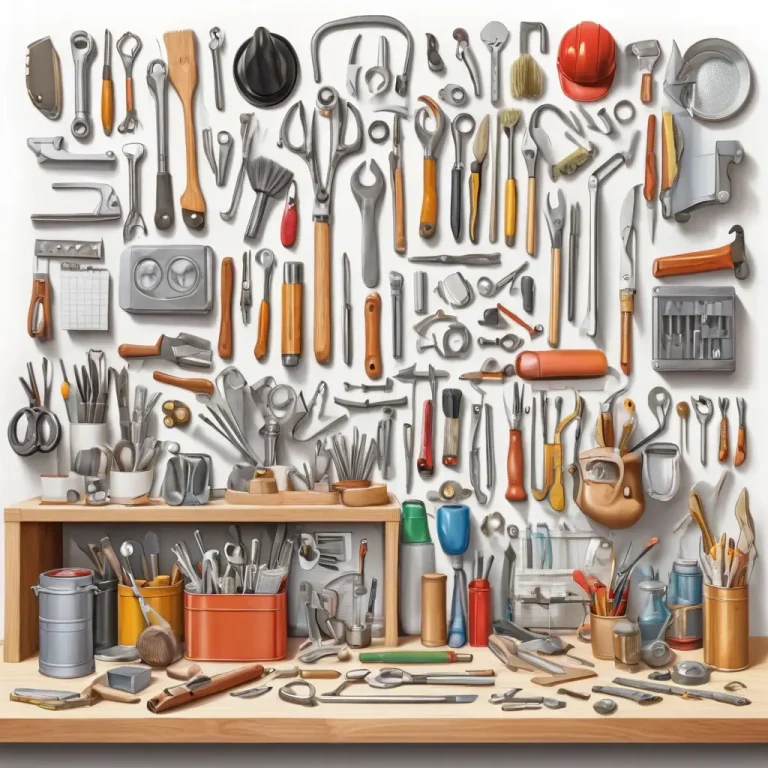
- Hammer: A claw hammer is versatile for framing and finishing work; look for one with a comfortable grip and balanced weight.
- Screwdriver Set: A collection of Phillips and flat-head screwdrivers in various sizes ensures readiness for most tasks.
- Adjustable Wrench: For plumbing, bike repairs, or general assembly, a good adjustable wrench is indispensable.
- Pliers: Combining needle-nose, slip-joint, and slip-lock pliers covers a wide range of gripping and bending needs.
- Measuring Tape: Opt for a durable, lockable tape measure with clear markings—an essential for accuracy.
Power Tools
While power tools can be a significant investment, some versatile items provide excellent value:
- Cordless Drill: A lightweight, battery-powered drill with a set of drill bits can handle drilling, screwing, and mixing tasks.
- Jigsaw: Perfect for cutting curves and intricate shapes, offering excellent flexibility for various projects.
- Oscillating Multi-Tool: Ideal for sanding, grinding, cutting, and scraping, reducing the need for multiple individual tools.
Materials and Consumables
Stock up on high-quality adhesives, fasteners, and protective gear. This ensures that even budget-friendly tools perform optimally.
- Sandpaper: Various grits for smoothing surfaces, critical for painting or finishing.
- Fasteners: A variety of nails, screws, and anchors in different sizes and materials.
- Paint and Primers: Quality options prevent wastage and ensure the best finish.
- Personal Protective Equipment (PPE): Safety glasses, gloves, and masks protect against accidents and long-term health issues.
Tips for Saving Money While Building Your Toolkit
Investing wisely involves prioritizing quality over quantity. Consider purchasing some tools secondhand or during sales, especially for items like power tools and high-end hand tools. Many retailers and online marketplaces offer refurbished equipment that is comparable in performance to new items but at a significantly reduced price.
Another strategy is to start with multi-functional tools. A digital multimeter, for example, can handle numerous electrical tasks, replacing several single-purpose testers. Also, carefully read reviews and seek recommendations for reliable brands known for durability and performance.
Author’s Opinion:
In my experience, a blend of reliable, budget-friendly tools and selective investments in high-end equipment creates the most efficient and cost-effective toolkit. Remember, spending more initially on essential tools can prevent costly replacements down the line and improve your work quality.
Maintaining and Upgrading Your Tools
Proper maintenance extends the lifespan of your tools. Regular cleaning, sharpening, and proper storage are fundamental. Keep power tools charged, blades sharp, and hand tools in a dry place to prevent rust and deterioration.
As your skills and project scope grow, gradually upgrade your toolkit by replacing outdated or worn tools. Prioritize quality over quantity, and consider investing in brands with a proven track record of durability and customer satisfaction.
Conclusion
Making the most of your budget when choosing tools and materials is about smart investments, informed choices, and ongoing maintenance. Focus on versatile, durable essentials that can adapt to a wide range of projects, and supplement with specialized tools as needed. By balancing affordability with quality, you can ensure your projects succeed without breaking the bank, whether you’re a beginner or a seasoned pro.
Summary Table: Key Tools and Materials
| Category | Recommended Items | Notes |
|---|---|---|
| Hand Tools | Hammer, Screwdriver Set, Adjustable Wrench, Pliers, Measuring Tape | Start with versatile, quality essentials |
| Power Tools | Cordless Drill, Jigsaw, Oscillating Multi-Tool | Invest gradually; prioritize multi-functionality |
| Materials | Sandpaper, Fasteners, Paint, PPE | Buy quality; safety is non-negotiable |
Q1: How can I build an affordable yet effective toolkit as a beginner?
A1: Start with versatile, high-quality basics like a screwdriver set, hammer, measuring tape, and a cordless drill. Buy secondhand or during sales to save money. Focus on durability and multi-purpose tools to get more value.
Q2: What are the most important safety items I should have?
A2: Safety glasses, work gloves, dust masks, and ear protection are essential. Always prioritize safety gear to prevent injuries and protect your health during projects.
Q3: How often should I replace or upgrade my tools?
A3: Regularly inspect tools for signs of wear or damage. Replace or upgrade essential items whenever they no longer perform effectively or safely, typically every few years depending on use.
Q4: Are expensive tools worth the investment?
A4: Generally, yes—higher-quality tools tend to be more durable and efficient. However, pick your key tools carefully, and for less critical items, budget options can suffice.
Q5: What maintenance tips can prolong my tools’ lifespan?
A5: Keep tools clean and dry, sharpen blades regularly, store them properly, and follow manufacturer instructions for care. Proper maintenance can double or triple their usable life.